
Binance Hackers Create Fake Memecoins to Disguise $570M Theft Trail
The Binance hack perpetrators aren't trying to hide—they're trying to slow us down. That's the key takeaway from Elliptic's latest blockchain analysis tracking the $570 million stolen in the December 2022 breach.
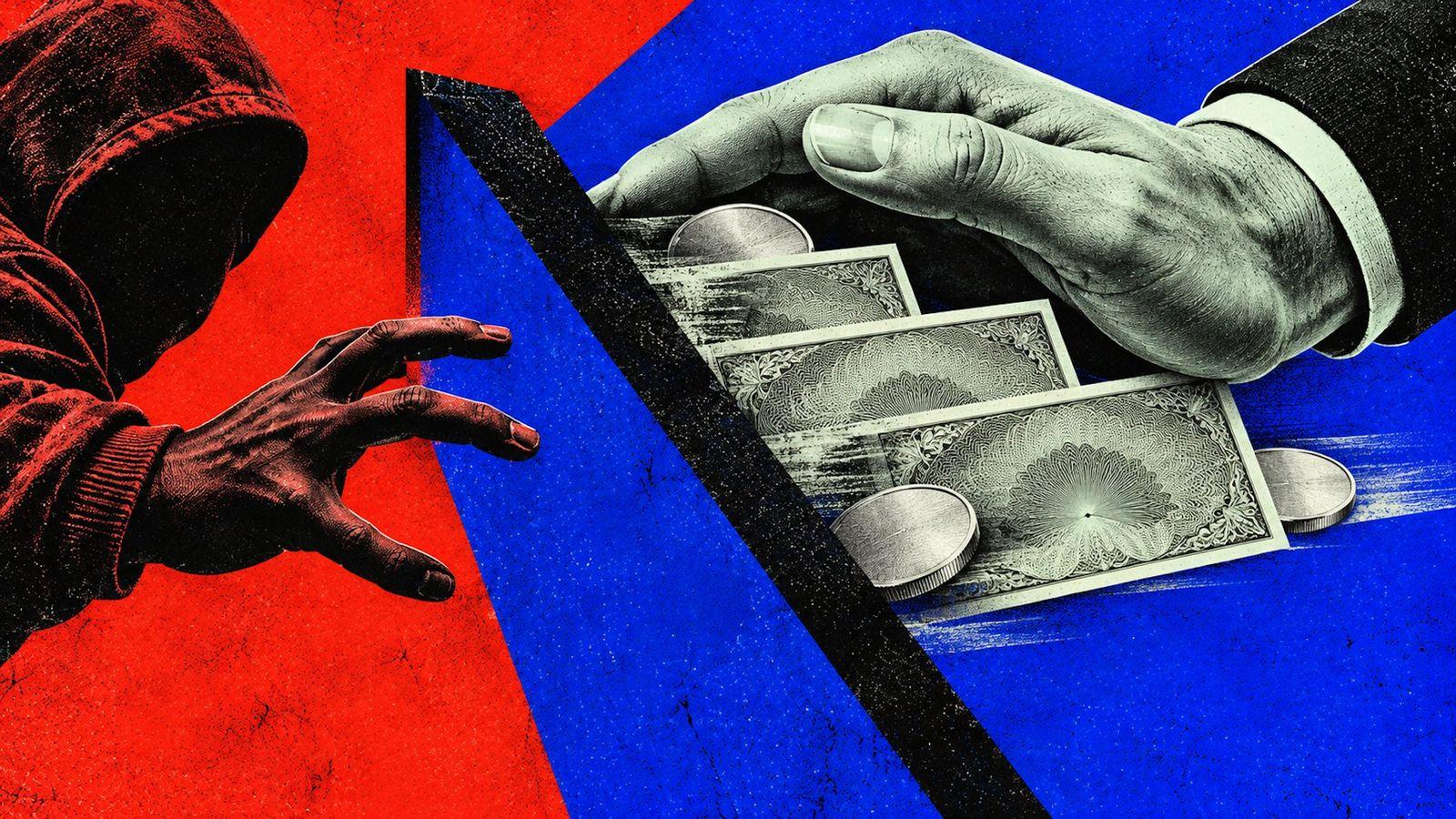
The Binance hack perpetrators aren't trying to hide—they're trying to slow us down. That's the key takeaway from Elliptic's latest blockchain analysis tracking the $570 million stolen in the December 2022 breach.
Here's what happened: the attackers minted custom tokens featuring Elon Musk imagery and animal-themed memecoins, then used these homemade assets to execute thousands of token swaps. The strategy is transparent in its intent—create noise in the transaction history, fragment the stolen value across multiple wallet addresses, and make manual investigation tedious for law enforcement.
Why Memecoins? Obfuscation Through Volume
The hackers understand crypto market mechanics well enough to weaponize them. By creating low-liquidity tokens and conducting rapid swaps between them, they're generating artificial transaction volume. Each swap creates a new data point investigators must analyze. It's a volume-based delay tactic.
"The perpetrators are deliberately making this harder to follow," Elliptic's analysis indicates. The extra swaps do accomplish their goal—they slow down human-led investigations. But here's the critical detail: the stolen funds remain completely traceable onchain.
This is the crucial distinction between moving assets and actually laundering them. The hackers have created a paper trail that's harder to follow, not an impossible one to unravel.
Onchain Intelligence Still Wins
Elliptic's tracking demonstrates that advanced blockchain analysis tools can cut through the noise. Every token swap, regardless of how many intermediate memecoins are involved, leaves a permanent record on the ledger. The total value stolen remains constant—only its form changes.
The $570 million breach represented one of crypto's largest security incidents. Unlike traditional banking hacks where funds can vanish into offshore accounts and shell companies, crypto theft plays by different rules. The perpetrators can move assets, fragment them, and disguise their origin, but they cannot erase the movement.
The Practical Reality for Traders and Investors
This case matters for your portfolio decisions. It reinforces three critical points about crypto market intelligence:
First, large-scale theft doesn't disappear—it eventually surfaces in exchange deposit addresses, bridge transactions, or OTC desk interactions. Exchanges and compliance teams use the same onchain analysis tools Elliptic deployed.
Second, memecoins created specifically for fund obfuscation tend to lack legitimate utility or adoption. Their transaction patterns are forensically obvious to investigators.
Third, the regulatory response to these incidents continues tightening. Exchange compliance teams are flagging suspicious deposits with increasing accuracy, making it harder for stolen funds to enter legitimate trading markets.
Alpha Take
The Binance hack demonstrates that while crypto's transparency creates security risks, it also eliminates the "clean escape" option for large-scale theft. The perpetrators' memecoin strategy buys them time but not safety—onchain analysis will eventually connect these fragmented transactions back to the original breach. For serious traders, this reinforces why exchange security audits and compliance vetting matter: stolen funds eventually get trapped at deposit gates. Understanding these market intelligence patterns gives you an edge in assessing counterparty risk across the crypto ecosystem.
Originally reported by
The Block
Not financial advice. Crypto investing involves significant risk. Past performance does not guarantee future results. Always do your own research.