
Bitcoin Bounces to $68K While Derivatives Data Screams Caution: What Traders Really Think
Bitcoin rallied to $68,000 on Monday as geopolitical optimism swept through markets following President Trump's hints at resolving the US-Israel-Iran conflict. Yet beneath the surface, crypto analysis of futures and options data tells a starkly different story: professional traders remain deeply be
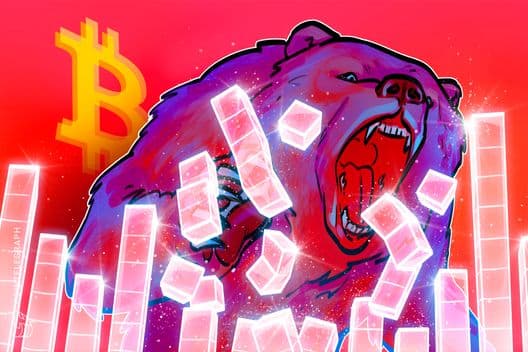
Bitcoin rallied to $68,000 on Monday as geopolitical optimism swept through markets following President Trump's hints at resolving the US-Israel-Iran conflict. Yet beneath the surface, crypto analysis of futures and options data tells a starkly different story: professional traders remain deeply bearish on BTC's near-term prospects.
The Rally That Nobody Trusts
The price bounce coincided with broader market strength in the S&P 500, triggered by Trump's suggestion that the administration could end hostilities without requiring full reopening of the Strait of Hormuz. Bitcoin briefly tested above $71,000, yet failed to inspire confidence among sophisticated market participants.
One distraction did emerge mid-week: Google researchers claimed the elliptic curve discrete logarithm problem (ECDLP) could theoretically be solved with 20 times less quantum computing power than previously thought. The market quickly dismissed this threat, recognizing that the entangled logical physical qubits required for such an attack remain years away from practical implementation.
Derivatives Paint a Picture of Fear
Here's where the bearish thesis gains weight. Bitcoin's 2-month futures annualized premium sat at just 2% on Tuesday—flat from the prior week and well below the 4% threshold that signals meaningful demand for bullish leverage. When futures traders won't pay up for upside exposure, that's a red flag for bitcoin trading sentiment.
More telling: Bitcoin put options (bets on price declines) commanded a 17% premium over call options on Deribit's 30-day contracts. This extreme skew typically emerges during periods of severe fear—a range normally seen only in truly distressed markets. For context, balanced market conditions typically show a -6% to +6% skew, last observed in mid-January.
The Macro Headwind Nobody Can Ignore
The real culprit behind subdued bullish sentiment isn't quantum computing—it's the Federal Reserve. Expectations for US interest rate cuts by July have collapsed from 75% a month ago to less than 10%, according to CME FedWatch data. Oil prices surged above $100 per barrel, pushing inflation concerns higher and forcing policymakers to reconsider easing timelines.
Higher rates mean higher capital costs, weaker consumer demand, and reduced corporate expansion incentives. The US job market, already fragile, faces additional headwinds. This macro environment typically favors fixed-income assets over risky alternatives like crypto.
Why Bitcoin Isn't Acting Like a Safe Haven
Bitcoin has declined 23% year-to-date in 2026, yet traders remain reluctant to accumulate positions despite dip opportunities. The reason: most institutional and professional traders now classify bitcoin as a risk-on asset rather than a portfolio hedge. During recession phases, risk-on assets typically underperform relative to defensive positioning.
While Bitcoin's resilience near $67,000 suggests the quantum computing scare was genuinely dismissed, something deeper is suppressing appetite. Traders may be positioning for economic stimulus packages—which historically boost equities before benefiting crypto—or simply de-risking ahead of uncertain monetary policy.
Alpha Take
Bitcoin's $68K rally lacks conviction in the derivatives market, where put premiums and weak futures demand reveal genuine trader skepticism. The macro backdrop—collapsing rate-cut odds and surging oil prices—makes this a risk-off environment where crypto typically underperforms. Until we see futures demand normalize and options skew return toward balanced territory, treat bounces as selling opportunities rather than trend confirmations.
Originally reported by
CoinTelegraph
Not financial advice. Crypto investing involves significant risk. Past performance does not guarantee future results. Always do your own research.