
Bitcoin Follows Geopolitical Winds as Institutional Buyers Hold Firm
Bitcoin's price action this morning tracked the whipsaw of Middle East ceasefire negotiations, reminding us that macro sentiment still drives crypto markets—even when we'd prefer pure on-chain fundamentals. The Ceasefire Premium and Crypto Volatility We watched BTC swing in lockstep with headl
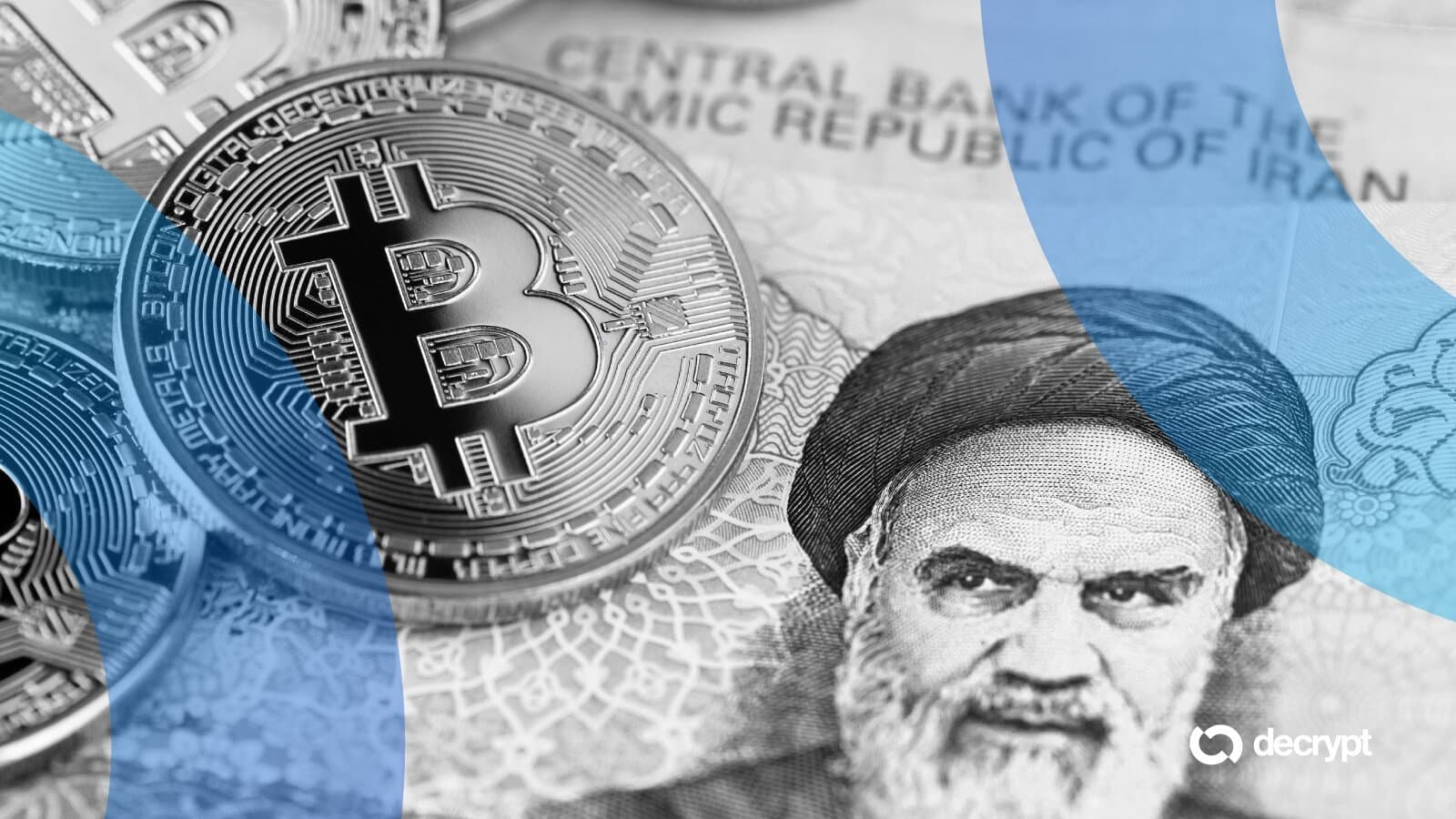
Bitcoin's price action this morning tracked the whipsaw of Middle East ceasefire negotiations, reminding us that macro sentiment still drives crypto markets—even when we'd prefer pure on-chain fundamentals.
The Ceasefire Premium and Crypto Volatility
We watched BTC swing in lockstep with headlines from Gaza peace talks. When optimism spiked, so did bitcoin. When negotiations stalled, sellers emerged. This correlation between geopolitical risk-off events and crypto volatility remains one of the market's most reliable patterns. Risk-on sentiment pushes money into speculative assets like digital currencies, while risk-off triggers profit-taking and flight to traditional safe havens.
The crypto analysis community has long debated whether bitcoin functions as "digital gold" during crises—the evidence this morning was mixed at best. Bitcoin moved with risk appetite rather than against it, suggesting traders still view it primarily as a risk asset rather than a true hedge against geopolitical instability.
Institutional Accumulation Continues
What mattered more than the volatility: Strategy and Tom Lee kept deploying serious buying size into the dips. This is the signal we're tracking. When institutional-grade analysts and strategists maintain conviction through intraday noise, it typically precedes more sustained market movements.
Tom Lee's continued accumulation is particularly noteworthy—his track record on bitcoin timing carries weight in the institutional community. Strategy's positioning suggests they're viewing current levels as opportunities rather than warnings. This kind of conviction-driven buying often acts as a floor during uncertain periods.
Polymarket's Emerging Role
Meanwhile, Polymarket is quietly constructing what could become a parallel financial infrastructure. The prediction market platform isn't just hosting bets on election outcomes and geopolitical events—it's building liquidity, user incentives, and settlement mechanisms that could eventually rival traditional betting markets.
We're monitoring this closely because Polymarket's growth represents something larger: crypto markets developing their own ecosystem of financial products independent of traditional institutions. If Polymarket successfully scales prediction markets, it validates the broader thesis that blockchain-based trading infrastructure can compete on execution, costs, and speed.
The platform's ability to seamlessly price geopolitical risk (like today's ceasefire headlines) faster than traditional markets is exactly the kind of edge that attracts serious traders and capital. Whether it becomes "its own financial system" depends on regulatory tolerance and network effects—both still in flux.
Alpha Take
Bitcoin's gyrations around ceasefire news confirm institutional players view crypto as correlated with risk appetite, not uncorrelated diversification. The real signal today wasn't price movement—it was that Strategy and Tom Lee stepped into weakness with conviction. Watch Polymarket's volume and user growth; if prediction markets gain traction as go-to risk pricing mechanisms, it's another data point suggesting crypto is building genuine alternative financial infrastructure rather than pure speculation.
Originally reported by
Decrypt
Not financial advice. Crypto investing involves significant risk. Past performance does not guarantee future results. Always do your own research.