
Bitcoin Mining Difficulty Surges to Seven-Month Peak—AI Pivot Won't Ease Competition Pressure
Bitcoin's hashrate just hit a seven-month high, and here's what that means for the mining landscape: difficulty is climbing faster than smaller operators can adapt. BlocksBridge data shows the network's computational power continues its relentless upward trajectory, even as the industry grapples wi
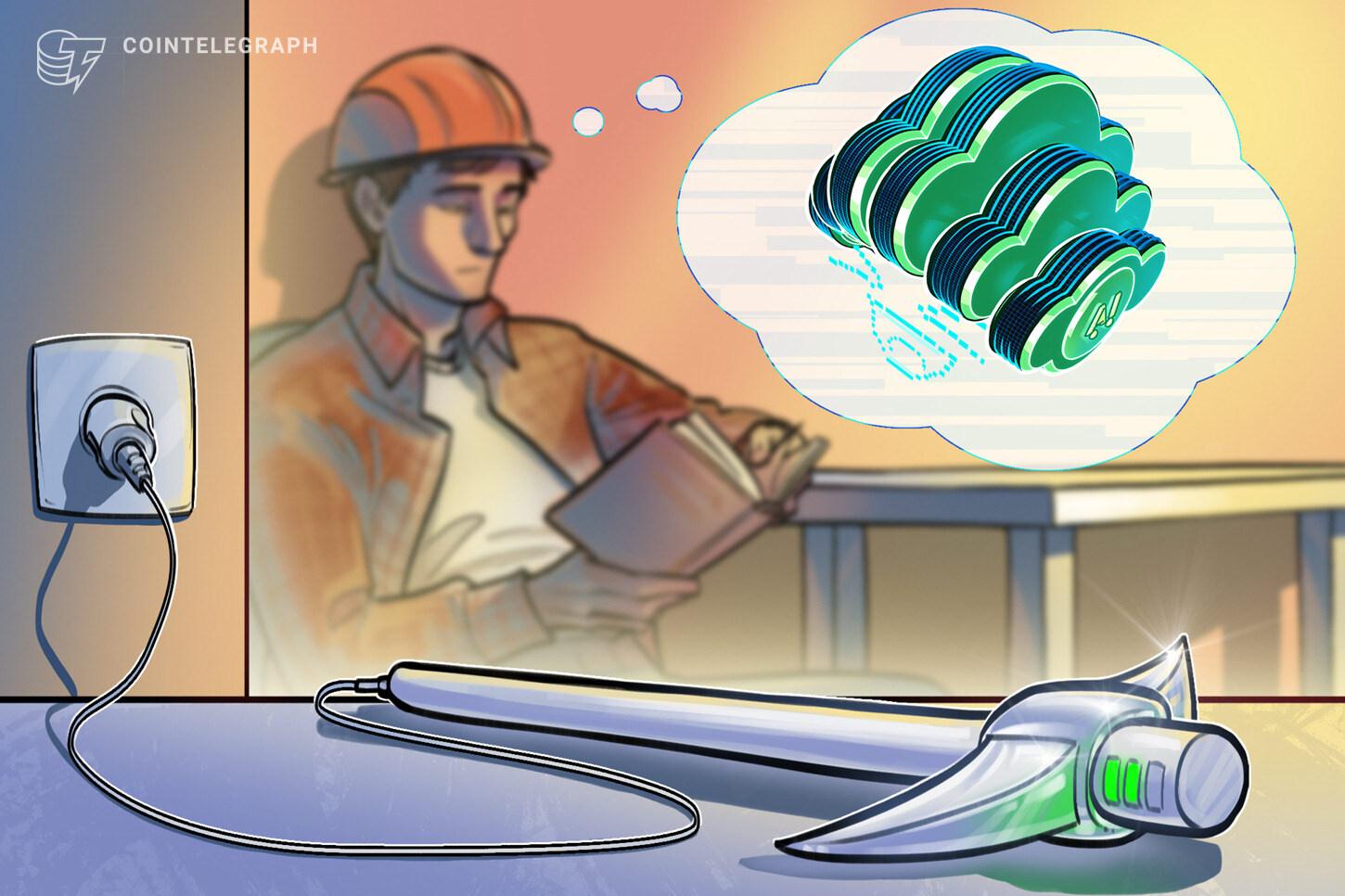
Bitcoin's hashrate just hit a seven-month high, and here's what that means for the mining landscape: difficulty is climbing faster than smaller operators can adapt. BlocksBridge data shows the network's computational power continues its relentless upward trajectory, even as the industry grapples with its ongoing pivot toward AI infrastructure.
The Hashrate Spike and What It Signals
We're seeing a curious disconnect in crypto mining right now. While major players have been gradually rotating capital toward AI and machine learning projects—traditionally seen as a potential relief valve for Bitcoin mining competition—the actual hashrate tells a different story. Network difficulty keeps climbing, suggesting that the anticipated exodus of large-scale miners hasn't eased competition pressure as some predicted.
This matters because Bitcoin's difficulty adjusts roughly every two weeks based on network hashrate. Higher difficulty means miners need more computational power to remain profitable, which is a headwind for marginal operations running older equipment. The seven-month peak signals persistent, aggressive competition despite economic headwinds and the AI gold rush drawing venture capital away from traditional crypto mining.
The Equipment Recycling Effect
Here's where it gets interesting: BlocksBridge analysis indicates that smaller mining operators are actually absorbing equipment abandoned by larger competitors as they pivot to AI ventures. Rather than consolidating the market, we're seeing a fragmentation pattern where mid-tier and smaller players are filling the void left by larger operations.
This equipment migration has two implications for crypto market intelligence:
First, it extends the competitive runway for independent miners who can acquire discounted ASIC hardware from departing large-scale operations. Used mining equipment hitting the secondary market at lower prices democratizes hashrate contribution.
Second, it means difficulty won't collapse as quickly as some bearish observers predicted. The network maintains its security through distributed participation rather than pure hashpower concentration—which is actually healthy for Bitcoin's decentralization narrative, even if it's brutal for mining economics.
The Profitability Squeeze
This is critical for portfolio strategy: rising difficulty without proportional Bitcoin price appreciation compresses mining margins across the board. Smaller operators running inherited equipment face razor-thin margins unless they've locked in favorable electricity costs. Larger enterprises now transitioning to AI face an opportunity cost calculation—capital deployed in AI projects must outperform what it would've generated in Bitcoin mining.
The data from BlocksBridge underscores that the AI transition isn't providing the competitive relief smaller miners hoped for. Instead, we're in a bifurcated market where hashrate distribution remains highly competitive regardless of industry capital flows elsewhere.
Alpha Take
Bitcoin's seven-month difficulty high signals resilient network security but deteriorating mining profitability for all but the most efficient operators. The secondary equipment market is extending competition rather than resolving it. Investors and miners should expect persistent margin pressure until either Bitcoin prices appreciate significantly or the current equipment wave fully depreciates—whichever comes first.
Originally reported by
CoinTelegraph
Not financial advice. Crypto investing involves significant risk. Past performance does not guarantee future results. Always do your own research.