
Bitcoin Plummets on Nvidia Shock: Jensen Huang's Exit Triggers $750M Crypto Liquidation
Bitcoin just caught a brutal reality check. The world's leading cryptocurrency dropped to a 12-week low of $71,200 as markets absorbed shock waves from Jensen Huang's unexpected departure from Nvidia—a move that sent ripples far beyond Silicon Valley and straight into the crypto trading desks.
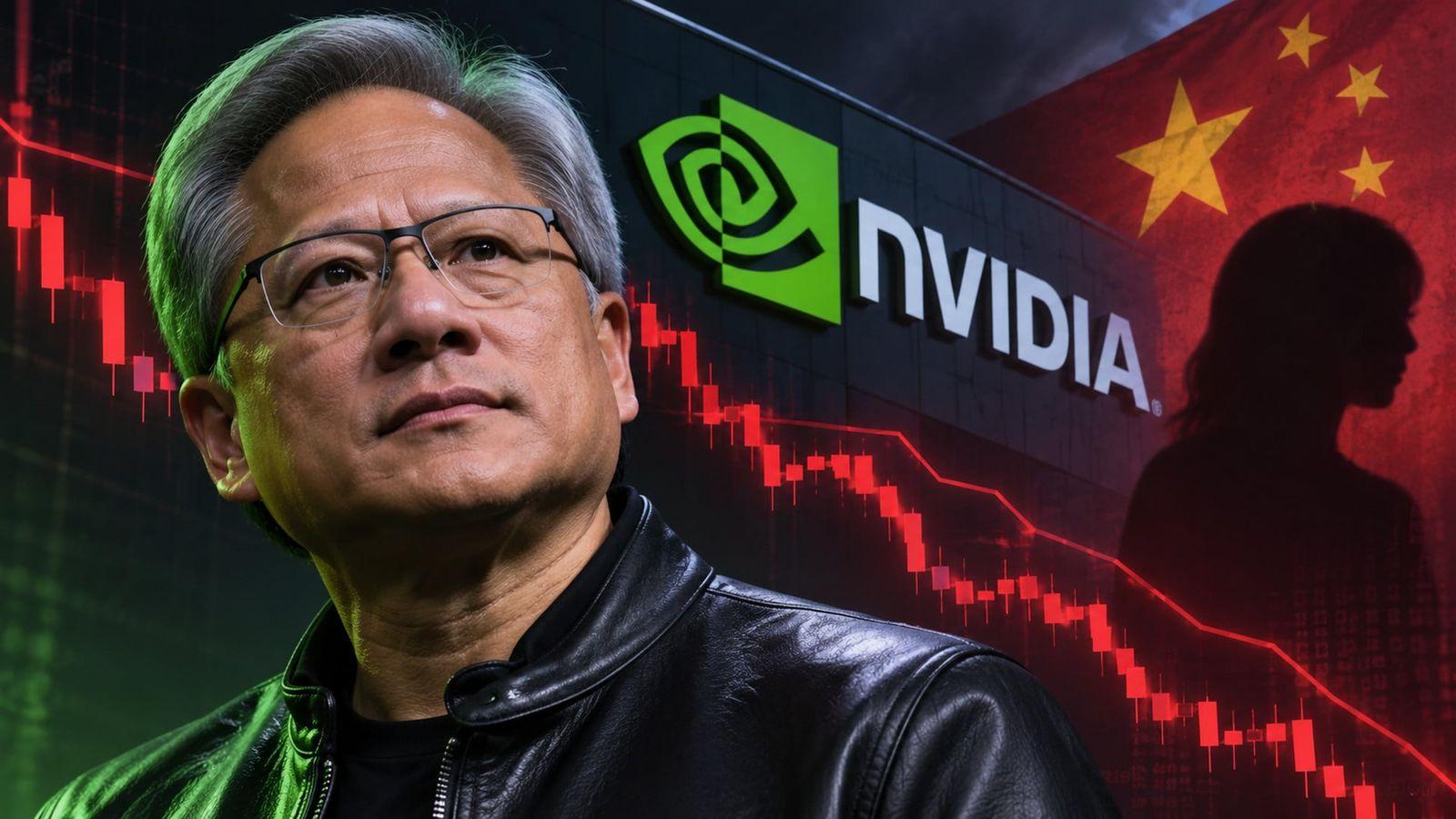
Bitcoin just caught a brutal reality check. The world's leading cryptocurrency dropped to a 12-week low of $71,200 as markets absorbed shock waves from Jensen Huang's unexpected departure from Nvidia—a move that sent ripples far beyond Silicon Valley and straight into the crypto trading desks.
The Catalyst: Nvidia Leadership Shakeup
Huang's exit from the chipmaking giant hit differently than typical leadership news. Nvidia isn't just another tech company—it's the infrastructure backbone powering AI and, by extension, much of the modern crypto ecosystem. When MSCI officially confirmed the removal of Nvidia from its strategy indices, institutional money started asking hard questions. The crypto market, historically sensitive to shifts in tech sector sentiment, didn't hesitate to reprrice risk.
This wasn't some gradual realization. The market moved decisively. Within hours of the headlines spreading, approximately $750 million in crypto positions faced liquidation. That's real money, real traders getting stopped out of their positions as leverage unwound across major exchanges.
The Liquidation Cascade
The $750M liquidation figure tells you everything about where sentiment shifted. This scale of forced selling typically signals capitulation among overleveraged traders who'd been betting on continued bullish momentum. Bitcoin holders watching their positions in real-time saw $71,200 as a critical technical level—and the market tested it hard.
Ethereum and other altcoins followed Bitcoin lower, as they always do during broad crypto selloffs. The broader digital asset complex couldn't decouple from Bitcoin's weakness, despite any fundamental narratives that might have supported higher prices.
What This Reveals About Market Structure
Here's what matters for serious traders: this episode exposed just how interconnected traditional tech sector dynamics have become with crypto markets. A decade ago, Nvidia news would've been relegated to the tech section. Today, it triggers cascading liquidations across cryptocurrency markets. This reflects genuine institutional participation—and the leverage that comes with it.
The 12-week low carries psychological weight too. Technical traders live and die by these levels. Every trader watching Bitcoin knew that $71,200 marked meaningful support. When it broke, algorithms fired, margin calls went out, and the selling accelerated.
Market Implications Going Forward
What happens next depends on whether this represents a capitulation flush or the start of a broader retracement. The $750M in liquidations is substantial but not unprecedented. Bitcoin has weathered worse. But the catalyst matters—if institutional confidence in the tech sector genuinely deteriorates, expect extended downward pressure on crypto assets that have become increasingly correlated with growth stocks and tech valuations.
Nvidia's strategic importance to AI infrastructure means any uncertainty around its leadership or direction will ripple through markets that have priced in AI's explosive growth trajectory. Crypto investors betting on AI-driven adoption need to monitor this situation closely.
Alpha Take
Jensen Huang's exit from Nvidia created a technical breakdown in Bitcoin that cascaded into $750M in liquidations—a reminder that crypto markets remain hyper-sensitive to macro catalysts and leverage dynamics. This isn't fundamental crypto news; it's about institutional risk repricing and overleveraged positions unwinding. Watch whether Bitcoin can reestablish support above $71,200 or if this breaks into deeper losses.
Originally reported by
The Block
Not financial advice. Crypto investing involves significant risk. Past performance does not guarantee future results. Always do your own research.