
BitMart's Security Crisis: Founder Admits Understaffing as Exchange Faces Another Breach
BitMart is in damage control mode. After getting hit with yet another security incident, founder Sheldon Xia made a telling admission: the exchange's security team is "severely understaffed.
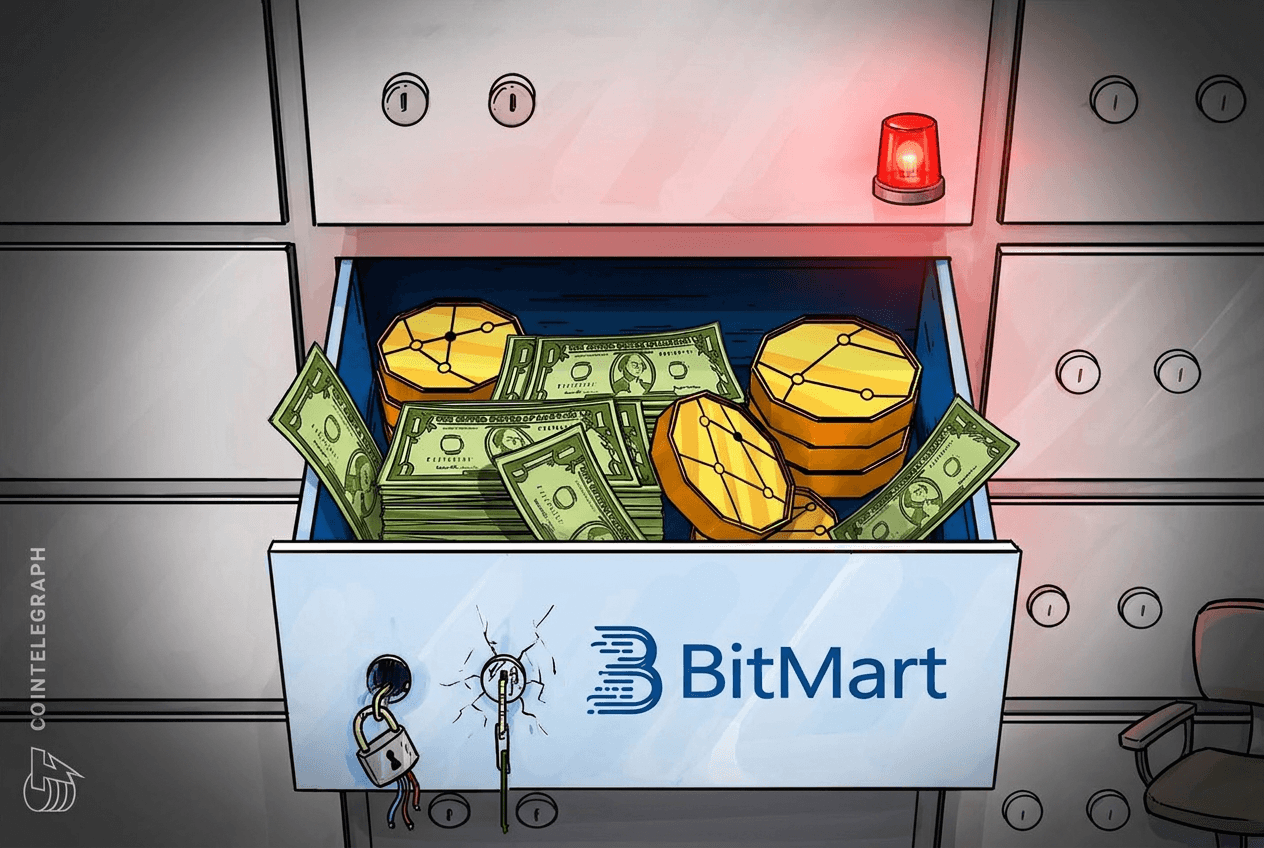
BitMart is in damage control mode. After getting hit with yet another security incident, founder Sheldon Xia made a telling admission: the exchange's security team is "severely understaffed."
This isn't BitMart's first rodeo with hacks. The exchange has a track record of security lapses that would make any institutional investor nervous. Xia's acknowledgment of understaffing cuts to the heart of why reputable platforms maintain robust security operations—and why BitMart apparently hasn't prioritized that investment.
The admission raises hard questions about risk management across centralized exchanges. BitMart processes billions in daily volume, yet apparently operates with security resources that can't scale to that responsibility. That's not just an operational problem—it's a liability issue that affects every user holding assets on the platform.
The Staffing Problem
Xia's statement confirms what many in the crypto community have suspected: BitMart is running lean on security infrastructure. A "severely understaffed" security team means fewer eyes on threat detection, slower incident response, and reduced capacity for proactive security audits. In crypto, where attackers never sleep and exploit windows measure in seconds, that's a critical vulnerability.
For traders using BitMart, this revelation should trigger immediate portfolio reviews. If your crypto holdings are sitting on an exchange with acknowledged staffing gaps in security, you're accepting unnecessary risk. The hacks keep coming because the infrastructure to prevent them remains underfunded.
What This Means for Market Confidence
Exchange security breaches directly impact market sentiment. Every hack erodes confidence in centralized platforms, pushes users toward self-custody solutions, and reminds traders why diversifying across multiple exchanges matters. BitMart's repeated security issues have already cost it market share—institutional investors simply won't touch exchanges with this kind of track record.
The broader crypto community needs to pay attention here. BitMart isn't some no-name DEX; it's a platform that handles significant trading volume. When major exchanges let security slide, it reflects poorly on the entire ecosystem and feeds the narrative that crypto infrastructure still has serious maturity problems.
Moving Forward
Xia's transparency about understaffing is at least candid, but words don't fix broken systems. BitMart needs to match its staffing to its asset base—period. That means hiring experienced security engineers, implementing advanced monitoring systems, and conducting regular third-party audits. Anything less is negligent management of user funds.
For portfolio management purposes, this situation warrants immediate action. If you're holding significant positions on BitMart, consider moving assets to exchanges with proven security protocols and appropriate resource allocation. The crypto market has plenty of options that take security seriously.
Alpha Take
BitMart's security crisis reflects a critical market dynamic: exchanges with inadequate security infrastructure eventually lose credibility and trading volume. This isn't a one-off incident—it's a pattern that signals deeper operational problems. Traders should use this as a reminder to never concentrate significant holdings on platforms with documented security weaknesses. Diversify across reputable exchanges and maintain meaningful positions in self-custody solutions.
Originally reported by
CoinTelegraph
Not financial advice. Crypto investing involves significant risk. Past performance does not guarantee future results. Always do your own research.