
Blockstream CEO Adam Back Shuts Down Latest Satoshi Nakamoto Speculation
Adam Back, CEO of Blockstream, is firmly denying claims that he's the anonymous creator of Bitcoin after The New York Times connected the two based on writing style analysis. Back's denial follows reporting by John Carreyrou, the investigative journalist behind the Elizabeth Holmes/Theranos exposé
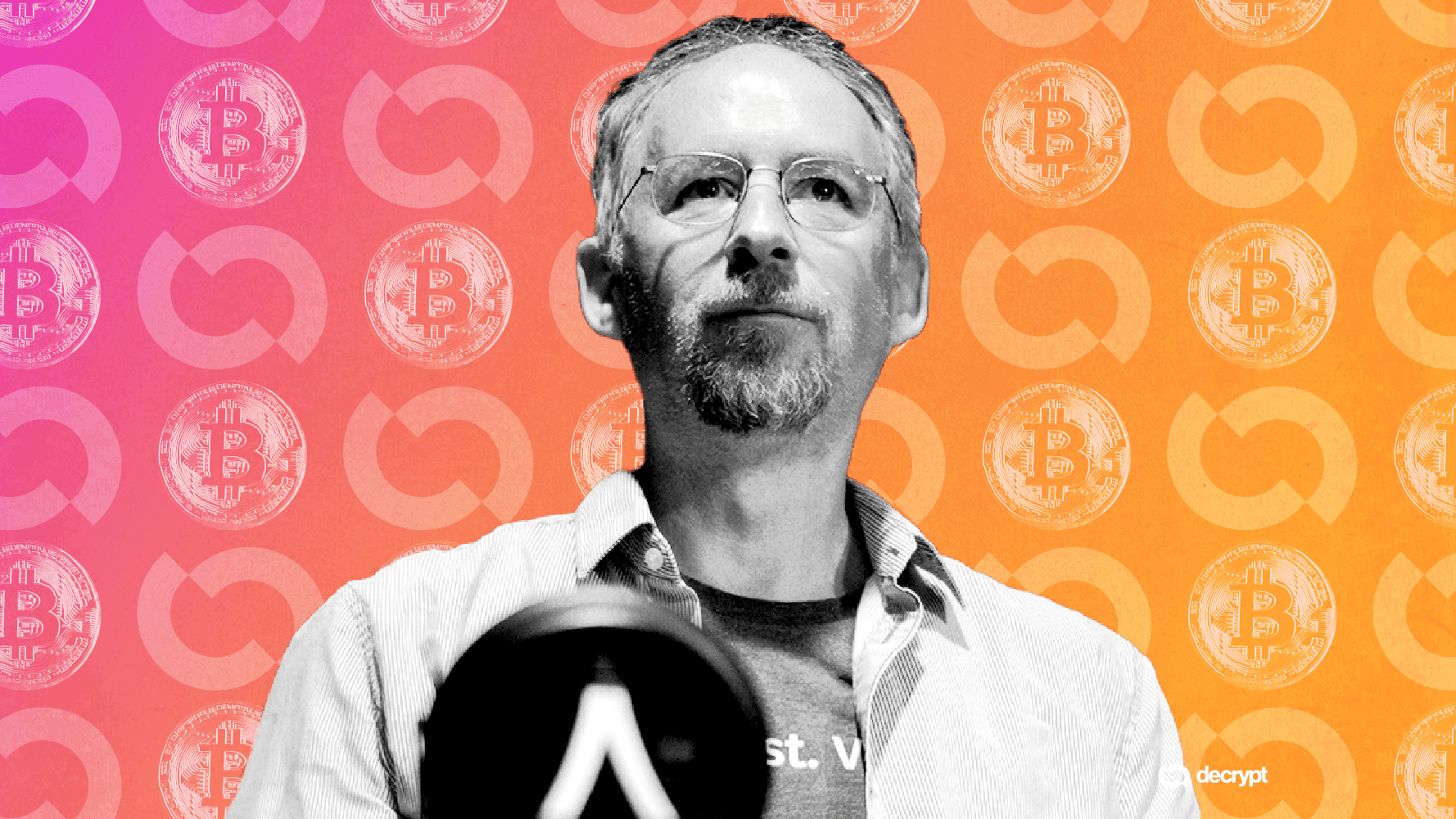
Adam Back, CEO of Blockstream, is firmly denying claims that he's the anonymous creator of Bitcoin after The New York Times connected the two based on writing style analysis.
Back's denial follows reporting by John Carreyrou, the investigative journalist behind the Elizabeth Holmes/Theranos exposé, who attempted to identify Bitcoin's pseudonymous founder through linguistic comparison. This isn't the first time Back has faced such speculation—his technical contributions to early cryptocurrency concepts have made him a recurring candidate in the ongoing hunt for Satoshi's true identity.
The Writing Style Angle
The methodology Carreyrou employed—examining writing patterns to match them against potential creators—has circulated in crypto analysis circles for years. Back's early work in cryptography and his involvement with Hashcash, a proof-of-work system that directly influenced Bitcoin's architecture, naturally positioned him as a suspect among those investigating Satoshi's identity.
We've seen this playbook before. The crypto community regularly cycles through theories about who might be hiding behind the Satoshi pseudonym, often pointing to figures with the technical chops and cryptographic background that would align with Bitcoin's creator. Back's prominence in pre-Bitcoin cryptography research makes him an easy target for such speculation.
Why This Matters for Crypto Markets
The identity question isn't purely academic. If Satoshi were definitively identified, it could have market implications—particularly around the estimated 1 million Bitcoin held in addresses believed to be controlled by the original creator. These holdings remain untouched and represent a potential overhang on price if ever liquidated.
Additionally, Satoshi's true identity could reshape the narrative around Bitcoin's legitimacy and regulatory standing. Establishing a human face (and jurisdiction) behind the pseudonym could trigger new legal questions about Bitcoin's origins and the creator's potential liability.
The Broader Satoshi Search
The investigation into Bitcoin's origins continues to fascinate both mainstream media and the crypto community. Before Carreyrou's reporting, numerous theories have been floated—from academic researchers to computer scientists—but none have been definitively proven. The beauty of Bitcoin's design is that its creator chose anonymity, and that choice has proven remarkably durable.
Back's repeated denials and continued work on blockchain technology suggest he's unbothered by the speculation. He remains focused on scaling solutions and Bitcoin development through Blockstream, rather than engaging in the identity debate.
The reality is simple: if Satoshi wanted to reveal themselves, they would. The lack of any meaningful revelation suggests either the creator is deceased, has no interest in public recognition, or prefers to let their code speak for itself.
Alpha Take
Adam Back's denial is consistent with his public posture on this recurring question—and it doesn't change anything for Bitcoin's fundamental value proposition. The Satoshi identity debate makes for compelling news cycles, but it's ultimately irrelevant to portfolio decisions. What matters: Bitcoin's decentralized network effect, institutional adoption, and technical resilience—none of which hinge on knowing who Satoshi actually is.
Originally reported by
Decrypt
Not financial advice. Crypto investing involves significant risk. Past performance does not guarantee future results. Always do your own research.