
CFTC Chief Warns States Against Criminalizing Prediction Market Operators
CFTC Chairman Michael Selig is pushing back hard against state-level efforts to prosecute prediction market founders, arguing that regulatory uncertainty shouldn't translate into criminal liability for executives operating in legal gray areas. Speaking directly to the tension between federal and s
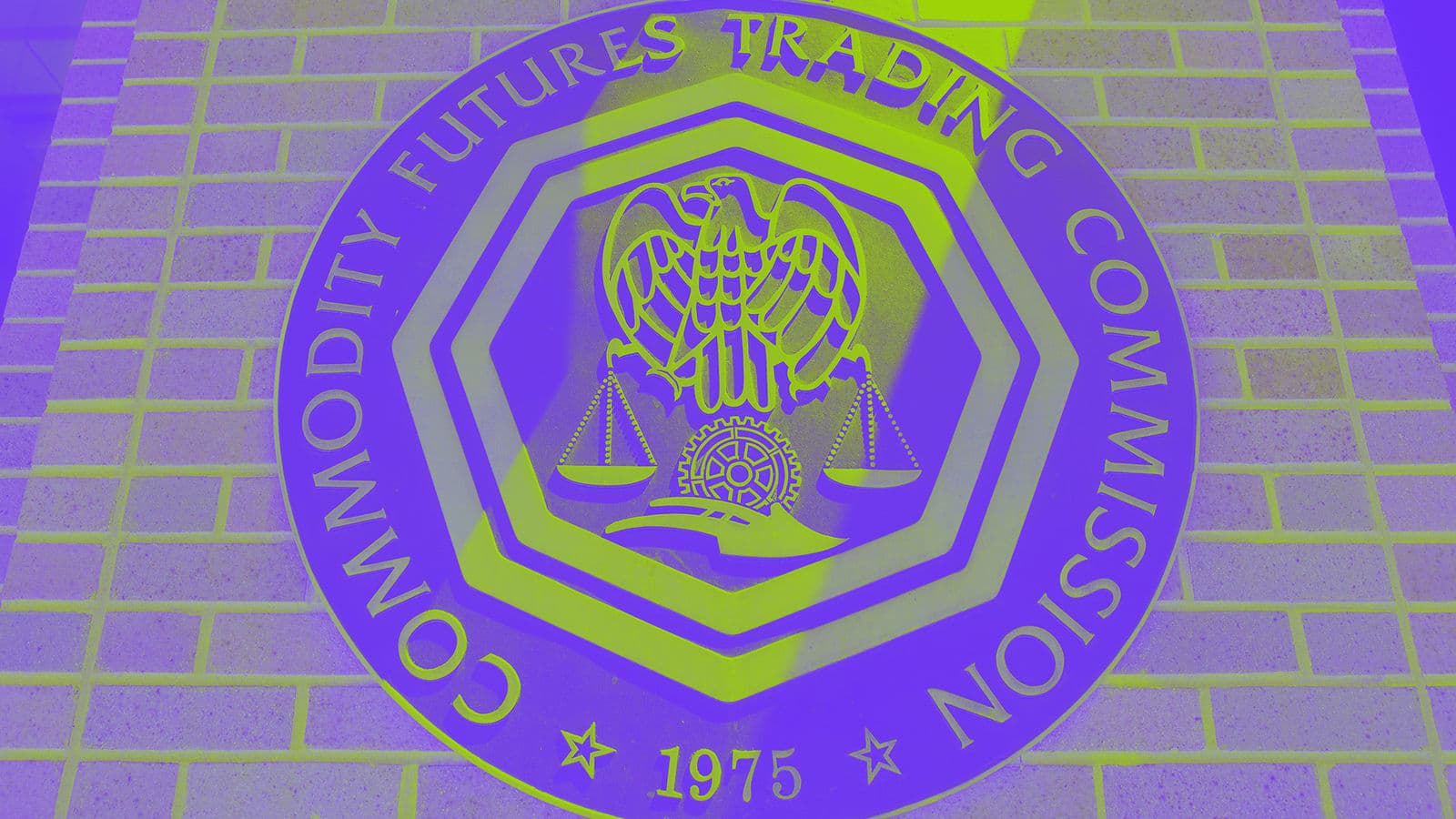
CFTC Chairman Michael Selig is pushing back hard against state-level efforts to prosecute prediction market founders, arguing that regulatory uncertainty shouldn't translate into criminal liability for executives operating in legal gray areas.
Speaking directly to the tension between federal and state authority over event contracts, Selig framed the issue as a matter of fairness. The disagreement over whether prediction markets constitute gambling shouldn't result in founders facing prison time, he argued—a position that signals the CFTC's growing frustration with state prosecutors targeting the crypto industry.
The Core Conflict
The fundamental problem is straightforward: prediction markets operate in a regulatory limbo. Federal law under the CFTC's jurisdiction treats certain event contracts differently than states do. When a state decides these same contracts violate its gambling statutes, founders suddenly face criminal exposure despite operating under what they believed was federal oversight.
Selig's comments reflect a broader pattern we're tracking at Alpha Factory. States are increasingly aggressive in prosecuting crypto executives and blockchain operators, even when federal regulators have declined to take action. This creates a chilling effect on innovation and legitimate market infrastructure development.
Why This Matters for the Crypto Market
The prediction market space has exploded in recent years, with platforms like Polymarket becoming mainstream tools for traders and sophisticated investors. These platforms offer genuine utility—they aggregate dispersed information and provide price discovery mechanisms for uncertain events. Yet they remain legally vulnerable across multiple jurisdictions.
When state attorneys general threaten founders with "lock up" charges (Selig's terminology), it's not just a legal inconvenience. It's a structural problem that undermines the entire sector. Top talent won't build prediction market infrastructure if the personal legal risk is existential. Capital won't flow into projects where founders face prosecution despite following federal guidelines.
The Enforcement Divergence Problem
What makes this particularly acute is the inconsistency. The CFTC has explicit authority over derivatives and certain event contracts. The agency has been relatively permissive compared to other regulators. But that federal permissiveness means nothing if state prosecutors decide to treat the same activity as criminal gambling.
This creates impossible compliance scenarios. Crypto founders can't simultaneously satisfy federal CFTC requirements and avoid state-level criminal charges if states define the same contracts differently. It's regulatory chaos dressed up as federalism.
What's Next
Selig's public statements suggest the CFTC is preparing to defend its turf more aggressively against state encroachment. We can expect to see more federal-state coordination efforts and potentially legislative action to clarify jurisdiction over prediction markets and event contracts.
For portfolio managers and investors tracking crypto infrastructure plays, this is a critical watch. Prediction markets represent genuine innovation in price discovery and information aggregation. But their viability depends on resolving this regulatory standoff.
Alpha Take
The CFTC-state conflict over prediction markets isn't just legal theater—it's a critical test of whether federal crypto regulators can protect legitimate innovation from aggressive state prosecution. Watch for Selig's next moves on coordinate with state authorities; clarification here could unlock billions in institutional capital currently sitting on the sidelines waiting for regulatory certainty on event contracts and derivatives infrastructure.
Originally reported by
The Block
Not financial advice. Crypto investing involves significant risk. Past performance does not guarantee future results. Always do your own research.