
Coinbase CEO: Bitcoin's Path to $400K by 2030 Remains Achievable Despite Market Turbulence
Brian Armstrong, the CEO of Coinbase, one of crypto's largest exchanges, is maintaining a bullish stance on bitcoin's long-term trajectory. He argues that a $400,000 price target by 2030 remains a "reasonable target" for the leading cryptocurrency, even as the market continues digesting the effects
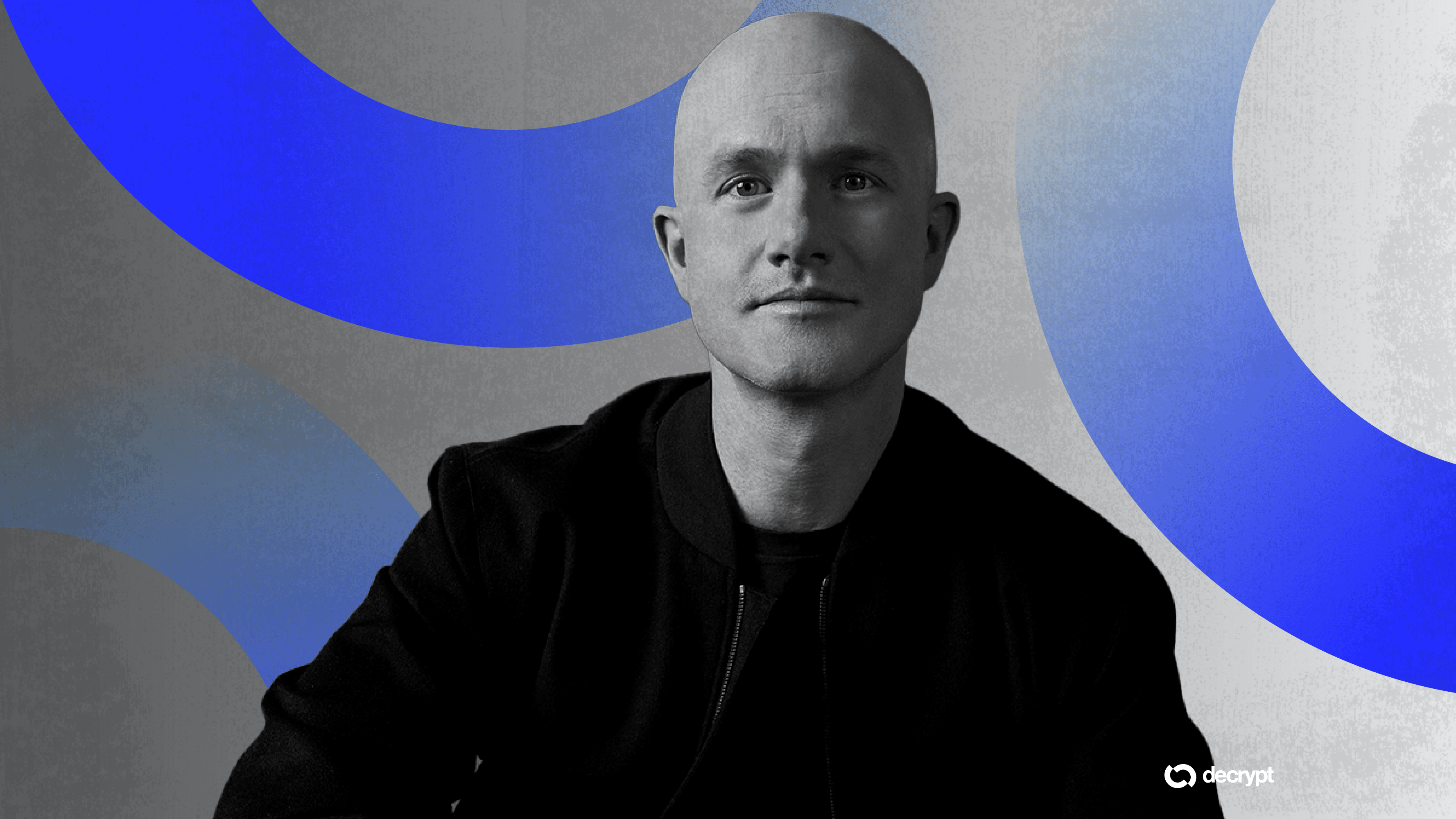
Brian Armstrong, the CEO of Coinbase, one of crypto's largest exchanges, is maintaining a bullish stance on bitcoin's long-term trajectory. He argues that a $400,000 price target by 2030 remains a "reasonable target" for the leading cryptocurrency, even as the market continues digesting the effects of the previous cycle's collapse.
Armstrong's optimism hinges on a critical belief: the crypto market has already found its bottom, roughly a year into the current downturn. This perspective matters because it shapes how institutional and retail investors evaluate entry points and portfolio allocation in crypto. If he's right about capitulation, we're potentially looking at a multi-year accumulation phase ahead.
The Halving Catalyst
The timing of Armstrong's outlook ties directly to bitcoin's next halving event, which sits approximately 18 months away. This halvings are crucial milestones in bitcoin's ecosystem—they cut the rate at which new BTC enters circulation, historically creating supply-side pressure that has preceded major bull runs. The last halving in 2020 preceded bitcoin's surge from roughly $10,000 to nearly $70,000.
The Coinbase CEO's $400K target by 2030 represents roughly a 10x return from current levels (depending on when you measure), which may sound aggressive to casual observers. But for seasoned crypto traders and market intelligence professionals, this compounds to reasonable annual growth rates when you factor in bitcoin's historical volatility patterns and the expanding institutional adoption narrative.
Why This Matters for Your Portfolio
Armstrong isn't alone in this assessment. Other prominent figures in the crypto space have made similar or even more aggressive predictions about bitcoin's future price trajectory. What makes his perspective worth monitoring is Coinbase's position as one of the most regulated, institutional-friendly crypto platforms in the U.S. When a platform serving billions in assets expresses confidence about market bottoms and long-term targets, it signals institutional conviction.
The broader crypto analysis here is straightforward: if we've genuinely bottomed out, then the risk-reward dynamic for bitcoin and ethereum—the two largest cryptocurrencies by market cap—shifts meaningfully in favor of long-term holders. Market participants who loaded up positions near the lows could see substantial gains unfold over the next 5-7 years.
The Halvings Ahead
With approximately 18 months until bitcoin's next halving, we're entering a period where mining economics and supply dynamics become increasingly relevant to price action. Historical data shows the run-ups to halvings often prove more impactful than the events themselves, as traders frontrun anticipated supply constraints.
Armstrong's conviction on the $400K target reflects confidence in bitcoin's narrative as both a store of value and a potential hedge against macroeconomic uncertainty. Whether traditional markets face recession, inflation, or currency devaluation, bitcoin's fixed supply cap of 21 million coins creates inherent scarcity properties that distinguish it from fiat alternatives.
Alpha Take
If Armstrong's bottom-is-in thesis proves accurate, we're likely entering a lower-volatility accumulation phase before the next major rally. Watch for institutional inflows and spot bitcoin ETF trading volumes as confirmation signals. The 18-month window to the halving creates a natural inflection point—crypto traders and portfolio managers should be positioning accordingly rather than waiting for consensus confirmation.
Originally reported by
Decrypt
Not financial advice. Crypto investing involves significant risk. Past performance does not guarantee future results. Always do your own research.