
Crypto Industry Scrambles as Democrats Take Congressional Control
The crypto sector's two-year winning streak in Washington just ended abruptly. After riding a wave of Republican support and pro-innovation momentum through the last Congress, digital asset companies now confront a fundamentally altered political landscape with Democrats in control.
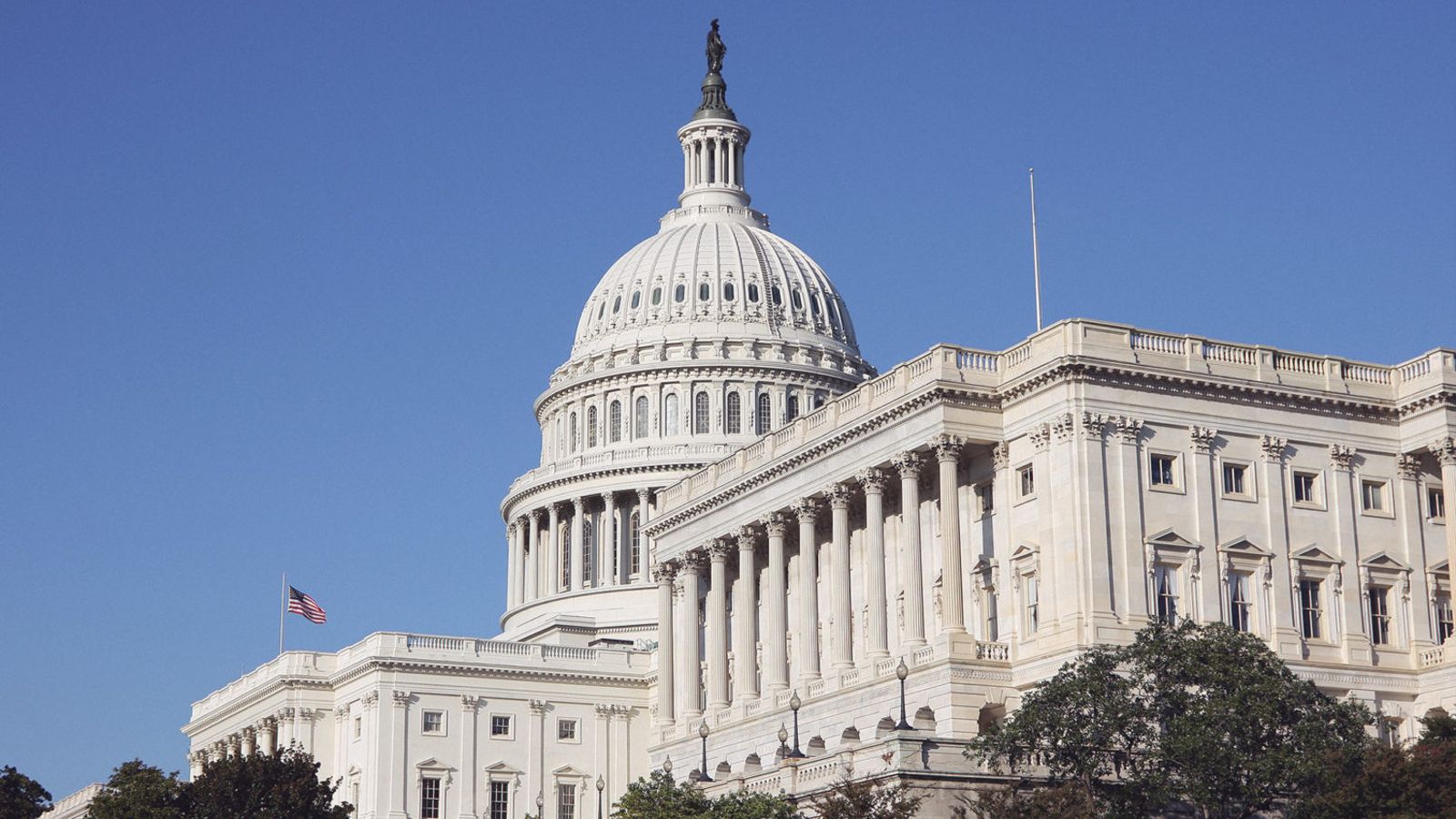
The crypto sector's two-year winning streak in Washington just ended abruptly.
After riding a wave of Republican support and pro-innovation momentum through the last Congress, digital asset companies now confront a fundamentally altered political landscape with Democrats in control. This isn't just a shift in tone—it's a wholesale reset of how the industry approaches Capitol Hill.
The Regulatory Headwind Ahead
We're watching the crypto community recalibrate in real time. For the past 24 months, the industry benefited from a decidedly crypto-friendly Congress that prioritized innovation over regulation. Executives made quarterly trips to Washington confident they had allies. That certainty is gone.
Democratic leadership has historically taken a more cautious stance toward bitcoin, ethereum, and the broader digital asset ecosystem. Key committee assignments, agenda-setting power, and legislative priorities all shift with this changeover. The industry's Washington playbook—the one that worked so well under the previous Congress—needs a complete overhaul.
Strategic Recalibration Underway
Major crypto firms and trade associations are already reshaping their advocacy efforts. We're seeing a pivot toward different messaging frameworks: focusing on consumer protection, financial inclusion, and technological competitiveness rather than pure deregulation angles.
The firms that thrived in 2022-2024 built coalitions around innovation and growth. Now successful crypto lobbyists are building different narratives—ones that emphasize how digital assets can serve broader Democratic policy priorities like systemic risk management and retail investor safeguards.
This isn't merely defensive repositioning. Smart players in the space recognize Democrats aren't inherently anti-crypto; they're often pro-regulation. That's a meaningful distinction. Some executives privately acknowledge that clear regulatory frameworks, even stringent ones, might actually benefit established crypto companies by raising barriers to entry for sketchy competitors.
What Changes, What Doesn't
The fundamental technological and market dynamics of bitcoin, ethereum, and other crypto assets remain unchanged. Trading volumes, adoption metrics, and real-world use cases continue regardless of Washington's political composition. That said, regulatory risk directly impacts portfolio valuations and institutional adoption timelines.
Key unknowns: Will Democrats push for stricter crypto taxation? Enhanced AML/KYC requirements? Stablecoin legislation that constrains market growth? These questions now dominate conversations at crypto trading desks and institutional investment firms evaluating exposure to digital assets.
The industry's challenge is navigating this transition without appearing to abandon principles around decentralization and permissionless innovation—the core ideological draws of crypto—while simultaneously demonstrating to skeptical Democratic lawmakers that the sector takes consumer protection and systemic risk seriously.
Alpha Take
The crypto sector's Washington strategy needs a complete reboot, but this creates both risks and opportunities. Democratic control likely means tougher regulations ahead, yet established crypto companies may benefit from clearer rules that disadvantage bad actors. Traders should monitor legislative committee assignments and early spending bills closely—that's where real regulatory intent reveals itself. This political shift will pressure short-term sentiment while potentially creating longer-term competitive advantages for compliant platforms.
Originally reported by
The Block
Not financial advice. Crypto investing involves significant risk. Past performance does not guarantee future results. Always do your own research.