
Crypto PAC Fairshake Takes Major Loss as Sherrod Brown Reclaims Senate Seat
Former Democratic Sen. Sherrod Brown has secured his return to the Senate, and it's a stinging defeat for one of crypto's biggest political players.
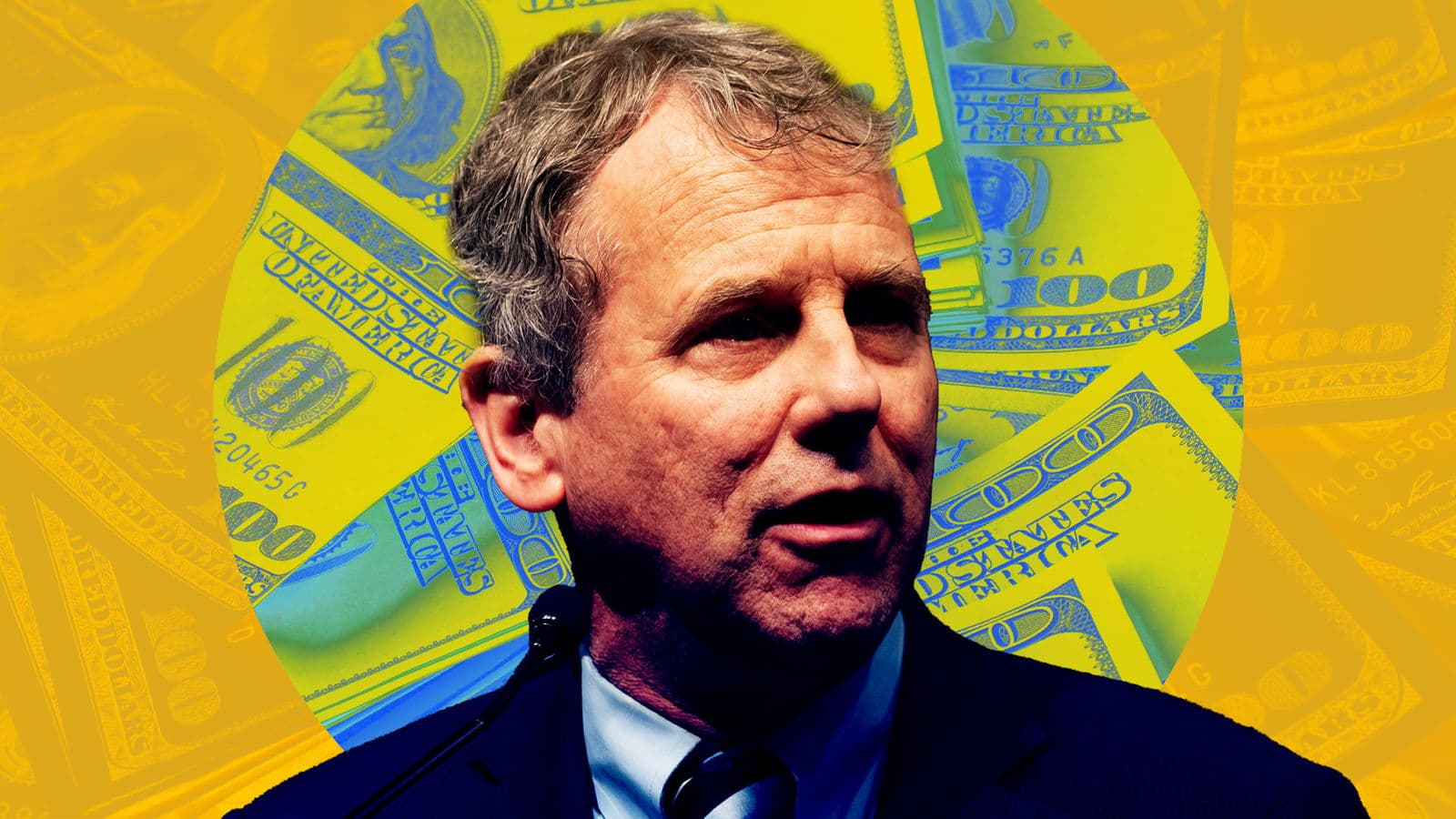
Former Democratic Sen. Sherrod Brown has secured his return to the Senate, and it's a stinging defeat for one of crypto's biggest political players. Fairshake, the cryptocurrency PAC that threw serious money behind his opponent, is left holding losses after backing the losing side in Ohio's high-stakes race.
What Happened in Ohio
Brown's victory over Republican Jon Husted represents a significant setback for Fairshake's political strategy heading into a critical election cycle. The crypto PAC, which has positioned itself as a heavyweight player in American politics, saw its Ohio bet fail to materialize despite substantial financial backing for Husted's campaign.
This outcome matters because it signals something important about crypto's political influence—money alone doesn't guarantee wins, especially when candidates haven't successfully made the case to voters about why digital assets deserve a seat at the policy table.
The Fairshake Factor
Fairshake emerged as crypto's answer to having a real voice in Washington. The PAC raised over $130 million, positioning itself to deploy capital across key races. In the Ohio Senate contest, the organization committed significant resources to support Husted, viewing the race as winnable territory for crypto-friendly candidates.
But Brown's political machinery proved too strong. The incumbent brought name recognition, established relationships in Ohio, and a clear message on economic issues that resonated with voters. Fairshake's spending advantage couldn't overcome those fundamentals—a reminder that in politics, like trading, fundamentals matter.
What This Means for Crypto's Political Ambitions
This loss raises legitimate questions about Fairshake's ROI and overall strategy. While the PAC can point to other wins in its portfolio, an Ohio defeat against a sitting senator makes a dent in its track record. The crypto industry bet heavily that strategic PAC spending would unlock political power in 2024. Results like this complicate that narrative.
The broader crypto market intelligence question: Is money the limiting factor for digital asset adoption in Washington, or are there deeper policy and perception challenges that capital alone won't solve? Brown's win suggests the latter.
Looking Ahead
Brown's return to the Senate means a skeptical voice on crypto regulation will maintain influence on financial services committees. The former senator has been a vocal critic of certain practices in the digital asset space, and his re-election extends his platform for shaping how Congress approaches bitcoin, ethereum, and broader crypto market intelligence around digital finance reform.
For Fairshake, this is a portfolio management moment. The PAC will need to recalibrate its strategy and spending approach going forward. Throwing capital at established incumbents in strong positions may not be the most efficient path to building political support for crypto trading and investment frameworks.
Alpha Take
Fairshake's Ohio setback reveals that even sophisticated crypto PACs face the same political headwinds as traditional special interests: incumbents with deep roots and clear messaging beat PAC spending every time. Brown's victory validates that established politicians still control the agenda, and crypto needs to move beyond checkbook politics to win sustained policy wins. Watch how Fairshake deploys remaining capital in remaining races—the allocation patterns will tell you whether the PAC learned from this loss or is doubling down on a flawed strategy.
Originally reported by
The Block
Not financial advice. Crypto investing involves significant risk. Past performance does not guarantee future results. Always do your own research.