
Dogecoin Finally Gets Its Own DevShop: What This Means for DOGE's Future
Dogecoin just got serious about infrastructure. A newly formed company—built in partnership with the Dogecoin Foundation and headed by MyDoge founder Jordan Jefferson—is consolidating three key products into a unified ecosystem play for DOGE.
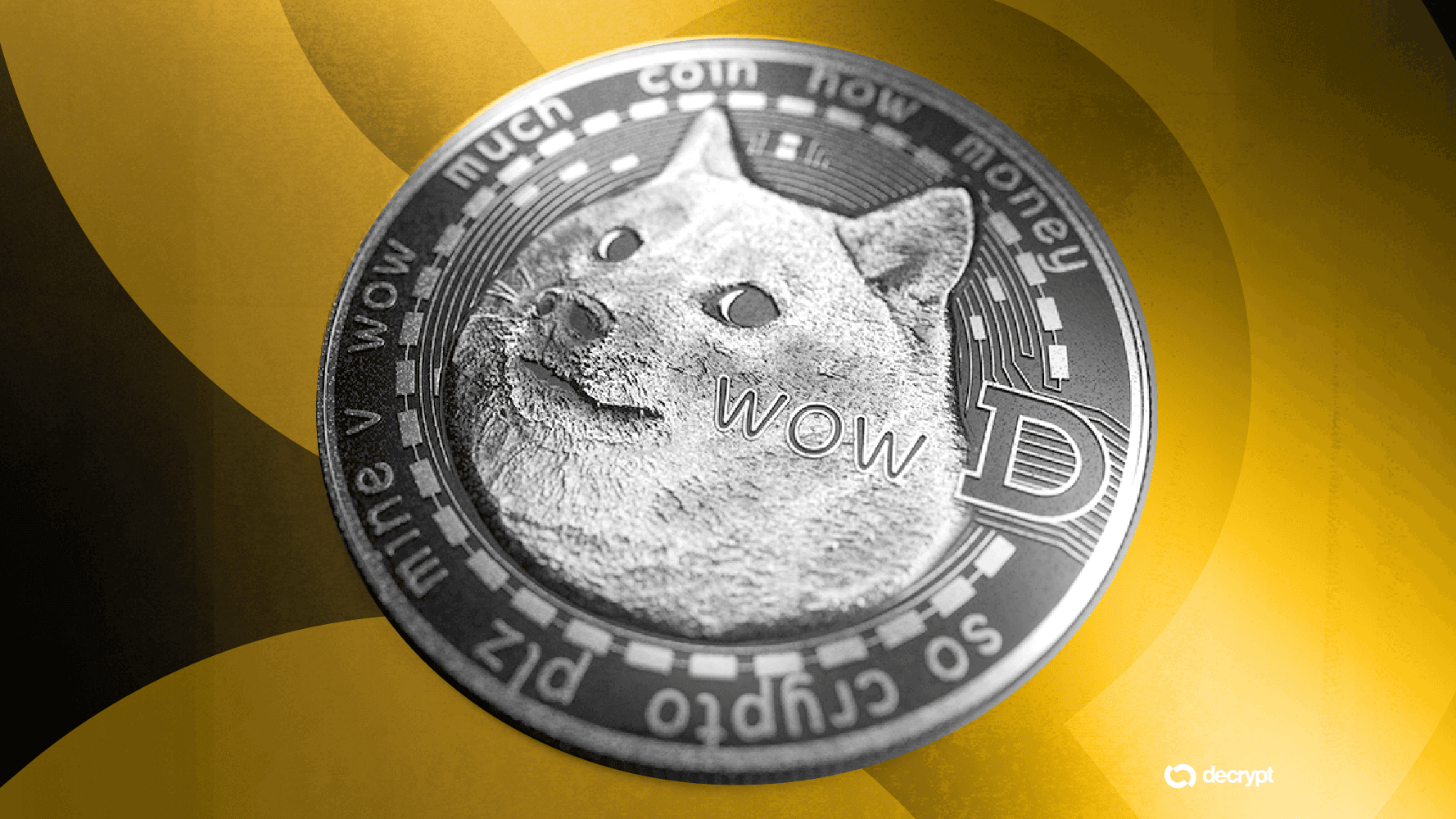
Dogecoin just got serious about infrastructure. A newly formed company—built in partnership with the Dogecoin Foundation and headed by MyDoge founder Jordan Jefferson—is consolidating three key products into a unified ecosystem play for DOGE.
Here's what's being bundled together: the MyDoge wallet, the DogeOS app platform, and Such App. The idea is straightforward but ambitious: create an actual economic layer around Dogecoin that gives developers and users real reasons to build and transact on the network.
Why This Matters for DOGE Holders
For years, Dogecoin has lived in this weird limbo—beloved by retail traders, memed into cultural relevance, but starved for legitimate infrastructure. The network itself works fine for payments, but there hasn't been much ecosystem to speak of. This consolidation under one company changes that narrative.
Jordan Jefferson's MyDoge wallet has built credibility as a self-custodial solution that doesn't suck. DogeOS positions itself as an app platform—essentially trying to do what other blockchains have built out for years. Such App adds another layer of utility. Combining them under the Dogecoin Foundation's blessing signals that DOGE is moving beyond meme status into actual product-market fit territory.
The partnership with the Foundation itself is the real signal here. It's not just some random dev team—this has institutional backing from the actual Dogecoin Foundation, which carries weight in a network that's historically been decentralized and community-driven.
The Ecosystem Play
What we're seeing is a playbook other crypto projects figured out years ago: you can't just have a token. You need wallets that work, applications that run on the network, and reasons for people to actually use them. Bitcoin has the Lightning Network. Ethereum has DeFi. Solana has its developer ecosystem. Dogecoin is finally building something similar.
This consolidation approach is smart—rather than having three separate teams building overlapping products, you get focused execution on a unified vision. Whether that translates to real adoption depends on execution and whether developers actually want to build on this stack.
The Reality Check
Let's be clear: this doesn't instantly make Dogecoin a serious layer-1 blockchain in the traditional sense. DOGE still has its limitations around smart contracts and advanced programmability compared to Ethereum or Solana. But it was never trying to be that. Dogecoin's strength has always been simplicity, network effects, and community loyalty.
This company formation leans into those strengths. A consolidated team can now focus on making DOGE actually useful for payments, simple apps, and building an economy—not trying to compete with Ethereum on complexity.
The timing is also worth noting. After years of being dismissed or ignored by serious crypto builders, Dogecoin is finally getting resources and organized effort behind its ecosystem. That's a shift.
Alpha Take
This consolidation under the Dogecoin Foundation gives DOGE something it's been missing: organized infrastructure development. For traders and holders, it signals ecosystem growth potential, but execution will determine whether this translates to real utility or remains a nice-to-have. Watch adoption metrics—if developers actually start building on DogeOS and transactions flow through MyDoge, this becomes a real catalyst. If it remains vaporware, it's just noise.
Originally reported by
Decrypt
Not financial advice. Crypto investing involves significant risk. Past performance does not guarantee future results. Always do your own research.