
Drift Protocol Opens Onchain Dialogue With $280M Exploit Attacker—Race Against Time for Fund Recovery
Drift Protocol, a Solana-based decentralized exchange, took action Friday by initiating direct onchain contact with wallets connected to the massive $280-$286 million exploit that's sent shockwaves through the crypto market. The team deployed onchain messages from its Ethereum address to four walle
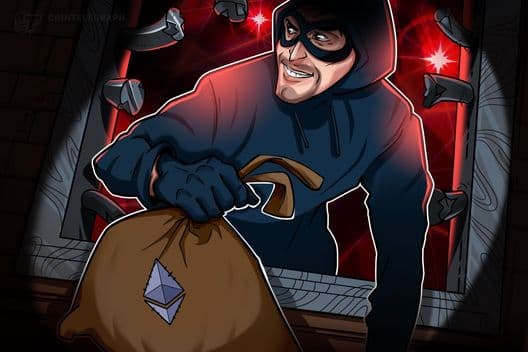
Drift Protocol, a Solana-based decentralized exchange, took action Friday by initiating direct onchain contact with wallets connected to the massive $280-$286 million exploit that's sent shockwaves through the crypto market. The team deployed onchain messages from its Ethereum address to four wallets linked to the attacker, signaling willingness to negotiate while keeping communication channels open.
The protocol's message was direct: "We are ready to speak." Drift directed the attacker toward Blockscan chat, leveraging onchain messaging as a pressure valve for direct dialogue. This playbook has proven effective before—most notably in the Euler Finance hack, where similar outreach facilitated partial fund recovery.
The Extortion Angle: Anonymous Pressure Campaign
Hours before Drift's official outreach, an unknown actor using the ENS name readnow.eth threw a wrench into the situation. This sender claimed to possess the attacker's identity and demanded 1,000 ETH to keep that information confidential. The threat couldn't be independently verified and may represent either genuine intelligence or a social engineering attempt to manipulate the wallet holder into hasty decisions.
This tactic underscores a critical reality in crypto security incidents: official communications aren't the only messages circulating onchain post-exploit. Unverified claims and threats can create confusion and potentially compromise recovery efforts.
Cascading Damage Across Solana Ecosystem
The ripple effects paint an uglier picture than the initial headline numbers suggest. According to SolanaFloor data, at least 20 Solana protocols have been impacted, with DeFi platform Gauntlet taking a $6.4 million hit alone. Cybersecurity firm Cyvers reported the damage was still expanding as of Friday morning, and critically—zero funds had been recovered 48 hours post-attack.
Here's where the exploit gets sinister: Cyvers flagged this as a "weeks-long, staged operation." The attacker pre-signed transactions using Solana's durable nonces feature, a sophisticated preparation that suggests either professional-grade planning or insider knowledge of the system.
"This closely mirrors the Bybit hack, different technique, same root issue: signers unknowingly approving malicious transactions," Cyvers noted in their analysis. The pattern points to attackers exploiting signature verification gaps rather than breaking cryptography itself.
Attribution Remains Murky
Industry figures like Ledger's CTO Charles Guillemet hinted at possible North Korea-linked attribution, though concrete evidence remains elusive. The sophistication of the staged operation and its scale fit historical patterns of nation-state-adjacent crypto operations, but speculation without data serves no one.
The crypto trading community faces a hard truth: major DeFi platforms remain vulnerable to coordinated, methodically planned attacks. Recovery depends on whether the attacker's identity truly matters less than whether onchain diplomacy—or potential law enforcement pressure—can recover stolen assets.
Alpha Take
Drift's onchain outreach follows proven playbook from past hacks, but the 48-hour zero-recovery window suggests attackers aren't responding to negotiation tactics. The cascade across 20 Solana protocols signals broader ecosystem fragility in DeFi security protocols. Traders should reassess exposure to platforms with similar signature verification architecture while monitoring whether law enforcement can trace the stolen assets across bridges and exchanges.
Originally reported by
CoinTelegraph
Not financial advice. Crypto investing involves significant risk. Past performance does not guarantee future results. Always do your own research.