
Exodus Transforms Self-Custody Into Everyday Spending With New Payment Feature
Exodus is fundamentally changing how people interact with their bitcoin and crypto holdings by introducing "Exodus Pay," a feature that converts their self-custodial wallet into a practical spending application. Here's what matters: users can now spend cryptocurrency directly from their Exodus wal
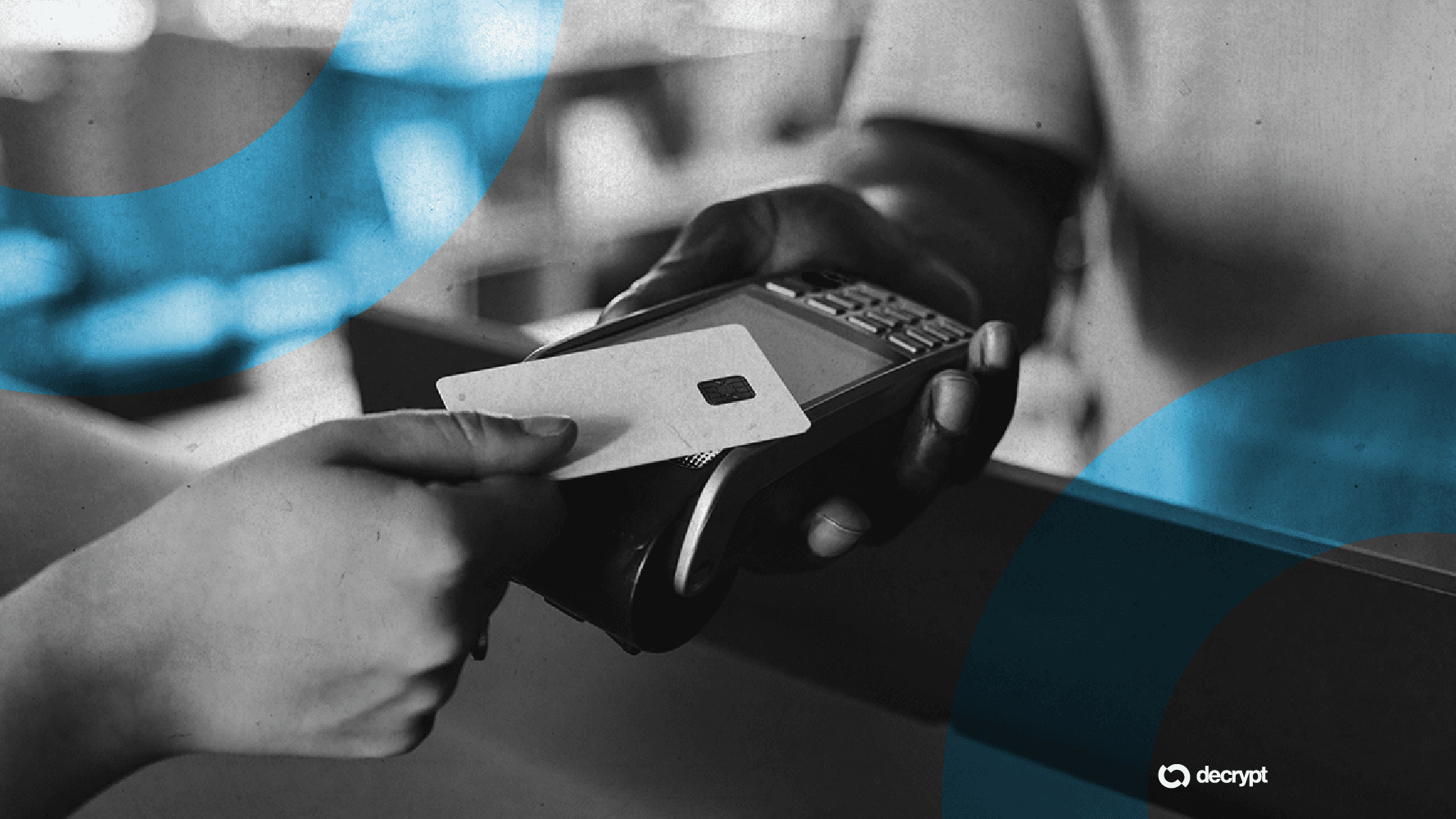
Exodus is fundamentally changing how people interact with their bitcoin and crypto holdings by introducing "Exodus Pay," a feature that converts their self-custodial wallet into a practical spending application.
Here's what matters: users can now spend cryptocurrency directly from their Exodus wallet without surrendering custody of their private keys. This represents a meaningful shift in crypto adoption—bridging the gap between hodling digital assets and actually using them for real-world transactions.
Self-Custody Meets Practical Utility
The core innovation here is straightforward. Exodus Pay enables users to spend their crypto while maintaining full control over their funds. Unlike centralized exchanges or custodial payment services where users must deposit assets and trust third parties with their keys, Exodus Pay keeps the wallet architecture intact. Users remain the sole custodians of their private keys throughout the transaction process.
This matters because self-custody has been a cornerstone of crypto's value proposition, but it traditionally came with a friction trade-off: spending required moving assets to exchanges or payment processors. Exodus Pay eliminates that friction without sacrificing the security benefits of self-custody.
Expanding the Bitcoin and Ethereum Economy
The feature supports multiple cryptocurrencies, giving traders and investors genuine flexibility in how they deploy their portfolio. Whether someone holds bitcoin, ethereum, or other tokens in Exodus, they can now use those holdings for payments directly. This is particularly relevant as institutional and retail investors continue asking the same question: what's crypto actually for if not spending?
Exodus Pay addresses this by making spending as frictionless as holding. No asset transfers between platforms. No waiting for settlements. No excessive fees from intermediaries. Users initiate payments directly from their self-custodial wallet, which is exactly how crypto was supposed to work.
The Practical Edge for Crypto Market Participants
For traders managing active portfolios, this opens tactical opportunities. You might hold ethereum or bitcoin as portfolio diversification but want liquidity without converting to fiat. Exodus Pay lets you do that. For long-term holders, it means your crypto actually functions as currency, not just a speculative asset locked in cold storage.
The payment infrastructure behind Exodus Pay handles the conversion mechanics—likely settling transactions through payment rails that accept crypto—while keeping user custody rights completely intact. That's the elegant part of the design.
Where This Fits in Crypto's Evolution
We're watching the crypto space mature from pure speculation toward actual utility. Bitcoin and ethereum have proven themselves as stores of value and settlement layers. Now platforms like Exodus are solving the last-mile problem: how do you spend those assets in everyday scenarios?
This development aligns with broader crypto adoption trends. Payment solutions built on self-custody wallets reduce friction without introducing counterparty risk. As more users experience frictionless spending while maintaining control, the narrative around crypto shifts from "where do I buy?" to "how do I use it?"
Alpha Take
Exodus Pay removes a key friction point in crypto adoption—the artificial separation between holding and spending. For our portfolio perspective, this matters because utility drives adoption, and adoption drives value. Watch whether other major wallet providers follow suit; if self-custodial spending becomes standard, it accelerates bitcoin and ethereum's transition from speculative asset to functional currency.
Originally reported by
Decrypt
Not financial advice. Crypto investing involves significant risk. Past performance does not guarantee future results. Always do your own research.