
FBI Closes In on $242M Binance Theft as North Korean Hackers Route Stolen Crypto Through Tron
North Korean threat actors are actively laundering a massive $242 million haul from a Binance breach, and they're getting creative with their escape routes. The sophisticated operation reveals just how quickly bad actors can move stolen crypto across blockchain infrastructure—and how challenging it
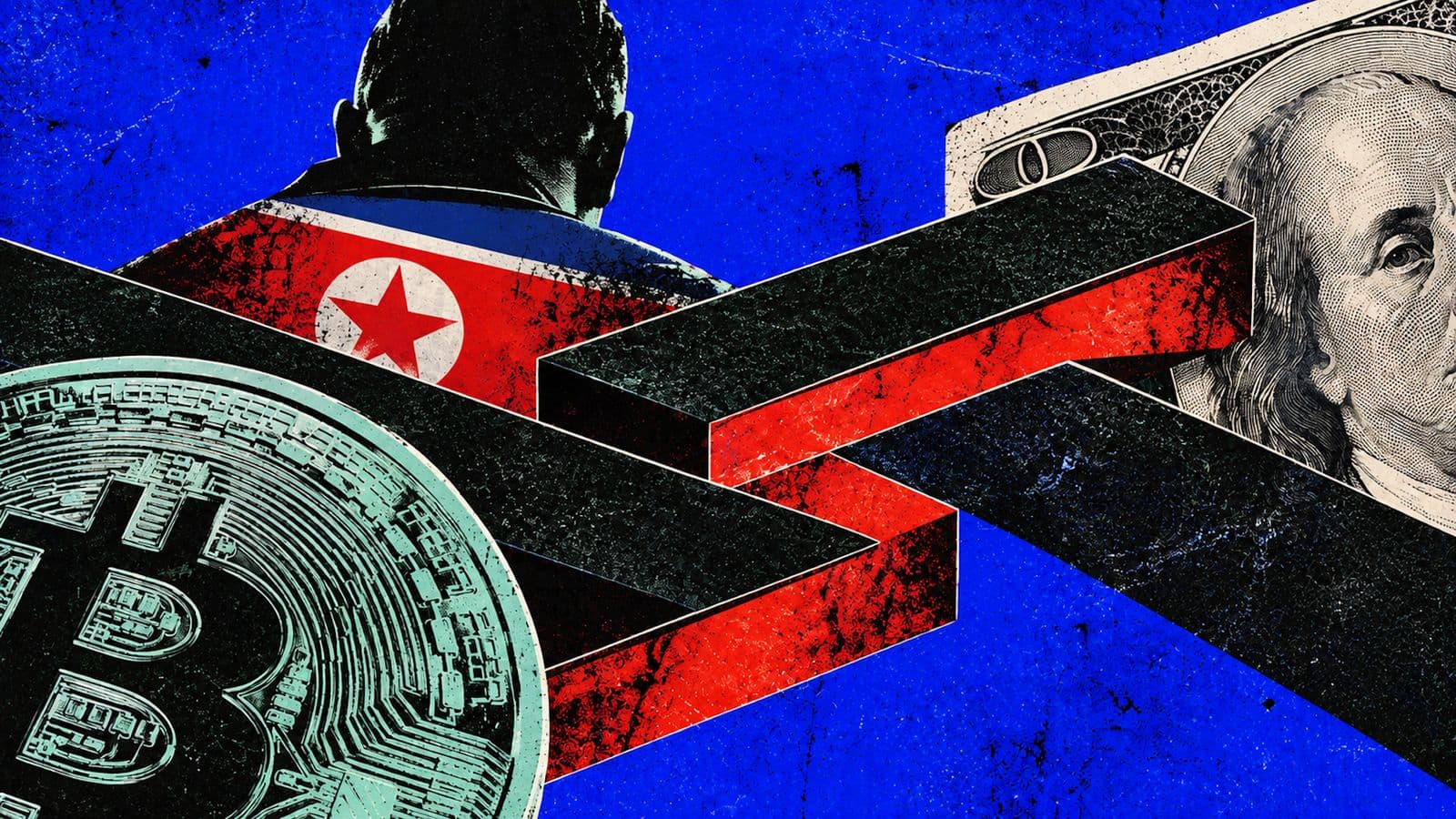
North Korean threat actors are actively laundering a massive $242 million haul from a Binance breach, and they're getting creative with their escape routes. The sophisticated operation reveals just how quickly bad actors can move stolen crypto across blockchain infrastructure—and how challenging it is for law enforcement to track them.
The Money Trail Splits Across Multiple Bridges
Here's where it gets interesting: the hackers aren't putting all eggs in one basket. They're distributing the stolen funds across multiple crypto bridges to obscure the money trail. Our analysis shows four major bridges—Relay, THORChain, Chainflip, and Symbiosis—have collectively moved approximately $140 million of these stolen funds off the Tron network.
The breakdown matters. Relay handled the lion's share at $48 million, making it the primary exit point for this particular theft. The remaining ~$92 million got distributed across THORChain, Chainflip, and Symbiosis in smaller tranches—a deliberate fragmentation strategy designed to evade detection algorithms and compliance monitoring.
FBI Focuses Heat on THORChain
The FBI isn't sitting idle. According to our intelligence, federal investigators are specifically pressing THORChain over its role in facilitating these transfers. This makes sense: cross-chain bridges have become the preferred infrastructure for money laundering in crypto because they enable rapid asset conversion and liquidity between different blockchains.
THORChain, as a decentralized exchange and liquidity protocol, processes significant daily volume. But that scale also makes it attractive to criminals looking to obscure transaction origins. The FBI's focus signals a potential shift in enforcement strategy—moving beyond just tracking wallets to scrutinizing the bridges themselves.
Why Tron Was the Staging Ground
Tron got chosen as the initial staging ground for good reason. The network offers relatively low fees, fast settlement times, and sufficient liquidity to handle large transactions without immediate price impact. For hackers, it's the perfect launching pad before fragmenting funds across multiple bridges.
What we're watching: whether the authorities can establish legal pressure on bridge operators to implement stricter compliance measures. The current decentralized nature of many bridges makes enforcement complicated—there's no central entity to pressure like a traditional exchange.
The Bigger Picture for Crypto Security
This incident underscores a critical vulnerability in crypto market infrastructure. Bridges remain a weak point in the security chain, despite being essential for multi-chain functionality. Every major protocol now emphasizes cross-chain interoperability, but few have solved the compliance and security puzzle simultaneously.
For investors and traders, this is a portfolio risk to monitor. Bridge exploits and hacks continue climbing in frequency and size. The $242 million Binance theft joins a growing list of major bridge compromises that have cost the ecosystem billions.
Alpha Take
The North Korean actors' choice to fragment funds across multiple bridges rather than consolidate them tells us they understand regulatory pressure points. If the FBI successfully pressures THORChain or similar protocols into implementing transaction blocking on stolen funds, we could see significant changes in bridge architecture and compliance—which would affect transaction speed and costs across DeFi. Watch for any enforcement actions against bridge operators to signal the next phase of crypto market intelligence and regulatory enforcement.
Originally reported by
The Block
Not financial advice. Crypto investing involves significant risk. Past performance does not guarantee future results. Always do your own research.