
FDIC's New Stablecoin Framework: Federal Control Tightens, Insurance Stays Off Limits
The Federal Deposit Insurance Corporation just dropped its proposed rulebook for stablecoin issuers, and it's a significant move in cementing federal authority over crypto's most regulated asset class. Here's what matters: the FDIC is creating a comprehensive federal oversight standard for stableco
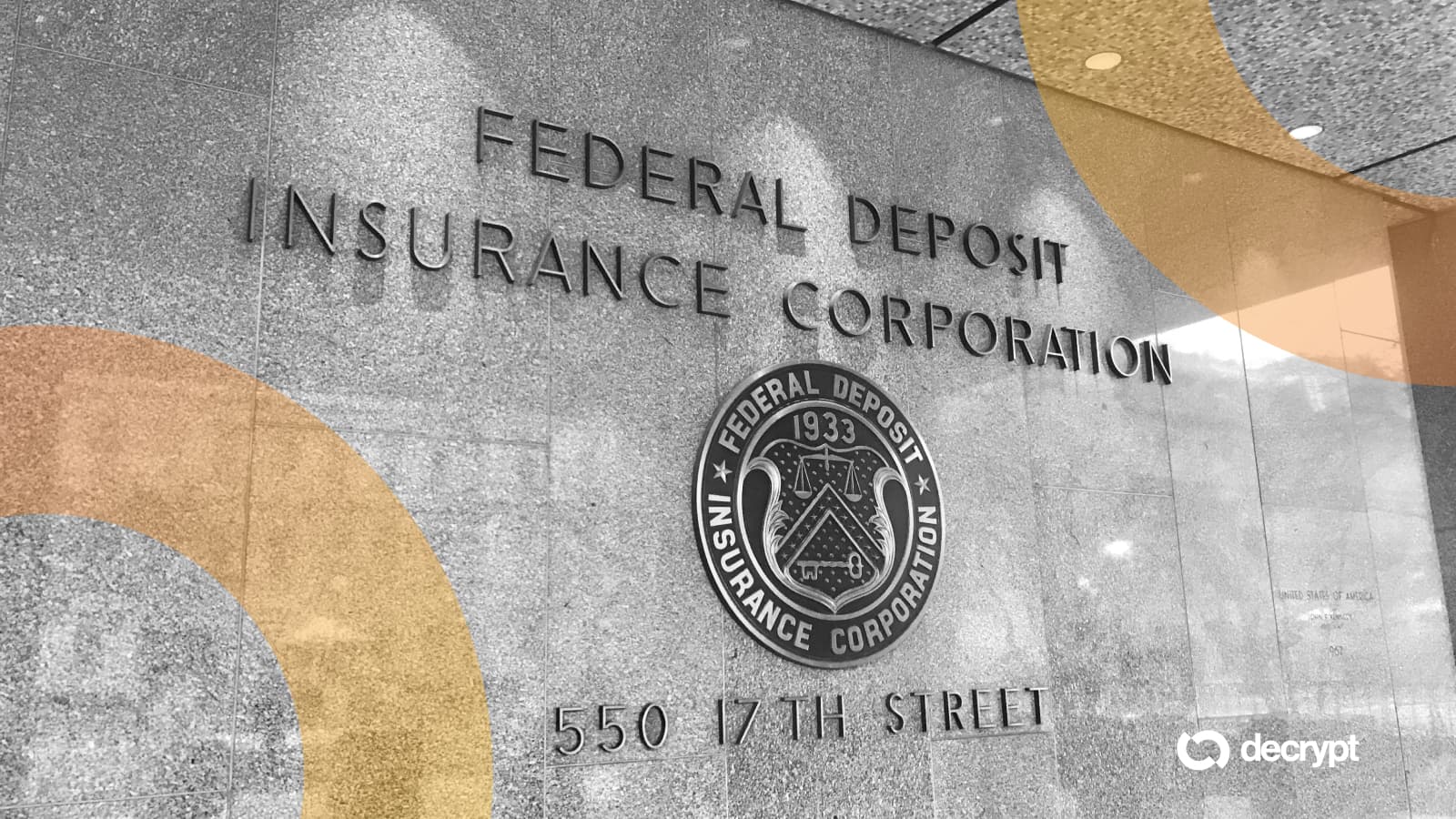
The Federal Deposit Insurance Corporation just dropped its proposed rulebook for stablecoin issuers, and it's a significant move in cementing federal authority over crypto's most regulated asset class. Here's what matters: the FDIC is creating a comprehensive federal oversight standard for stablecoin issuers, but explicitly drawing a hard line—stablecoins won't get deposit insurance protection, period.
What the GENIUS Act Changes
The proposal comes under the GENIUS Act framework, which represents the regulatory establishment's attempt to impose standardized rules across the stablecoin market. The FDIC isn't mincing words here. Their position is clear: if you're issuing stablecoins, you're operating under federal supervision, but you're not getting the safety net that traditional deposits receive.
This distinction matters enormously for crypto market intelligence and portfolio strategy. Stablecoin issuers have been operating in a regulatory gray zone for years. Now they face mandatory federal standards, which simultaneously legitimizes the asset class while reinforcing its different status versus traditional banking products.
The Insurance Question
The exclusion of stablecoins from FDIC deposit insurance is the critical point traders and investors need to understand. Traditional bank deposits up to $250,000 are protected—stablecoins won't be. This creates a fundamental risk differentiation that affects how institutions and retail users should think about holding crypto assets versus traditional cash equivalents.
For bitcoin, ethereum, and broader crypto market intelligence purposes, this matters because stablecoins are the rails connecting traditional finance to decentralized trading. If stablecoin issuers face tighter federal requirements but lose insurance protections, the cost structure of maintaining these assets changes. Issuers may need to adjust their business models or maintain larger reserves to compensate.
Federal Oversight Implications
The proposed rules establish standardized requirements that stablecoin issuers must follow. This isn't deregulation—it's the opposite. Federal oversight means compliance costs, regular audits, and capital requirements. Smaller crypto projects won't survive this framework. The consolidation effect favors established players with resources to navigate federal banking regulations.
For trading and portfolio management, this creates clearer guardrails. We know where the regulatory perimeter stands now. That reduces uncertainty, which historically has been bullish for risk-on crypto markets once the details settle.
The FDIC's approach acknowledges stablecoins as permanent infrastructure in the crypto ecosystem while treating them distinctly from traditional deposits. It's a pragmatic regulatory middle ground—not a ban, not full integration into the banking system.
Alpha Take
The FDIC's stablecoin framework solidifies federal control while maintaining a clear separation from traditional deposit insurance—a regulatory move that pressures smaller issuers but provides clarity for institutional adoption. This tightening of oversight should reduce systemic risk in crypto market infrastructure, ultimately supporting longer-term confidence in the ecosystem. Watch for stablecoin issuers' compliance timelines and reserve requirements, as these will be the real determinants of market impact.
Originally reported by
Decrypt
Not financial advice. Crypto investing involves significant risk. Past performance does not guarantee future results. Always do your own research.