
Fed and Treasury Flag AI Security Threats to Banking System
Federal Reserve Chair Jerome Powell and Treasury Secretary Scott Bessent have put financial institutions on alert. They're warning banks about potential cybersecurity vulnerabilities connected to Anthropic's new Mythos AI model, according to Bloomberg reporting.
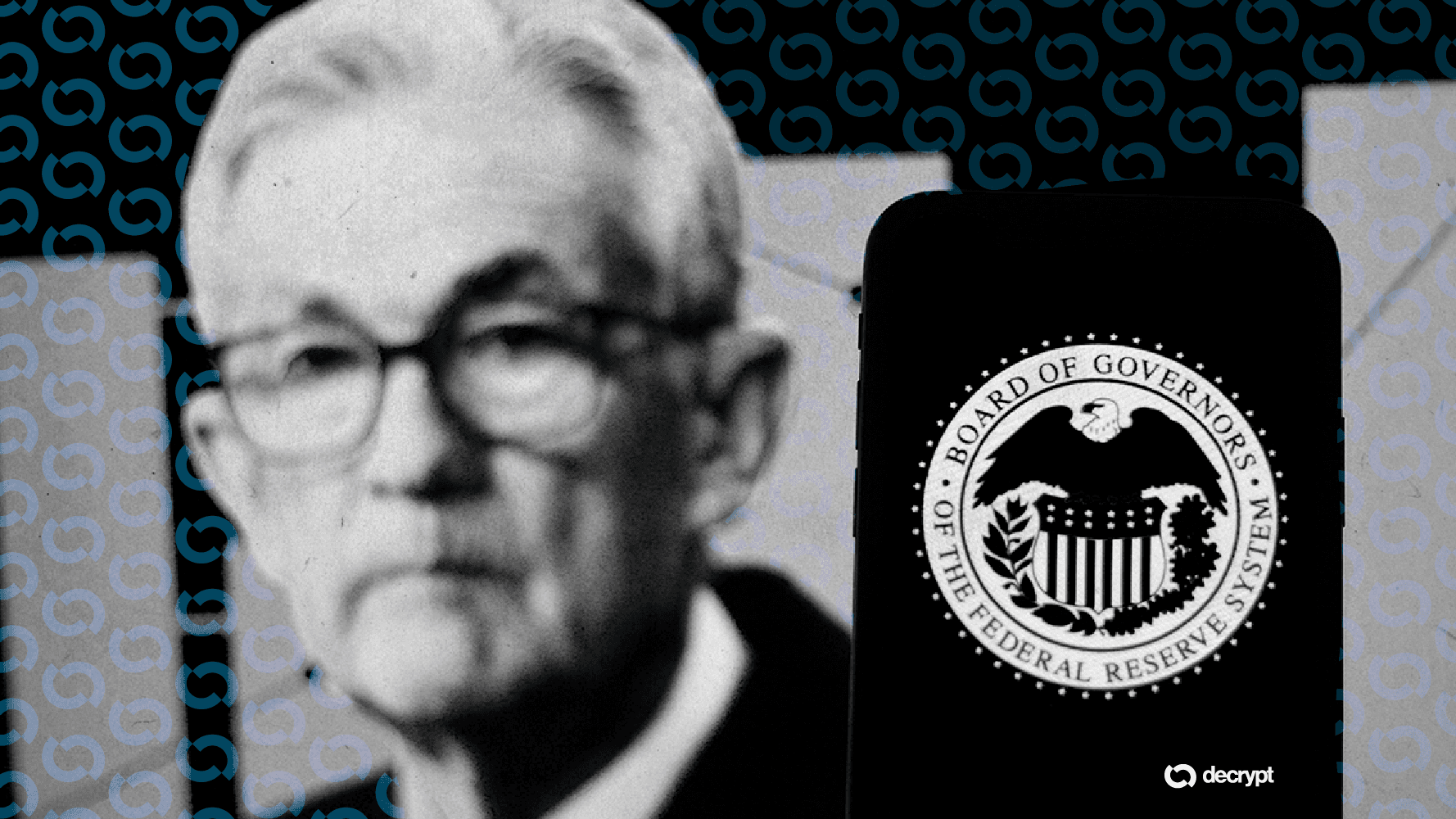
Federal Reserve Chair Jerome Powell and Treasury Secretary Scott Bessent have put financial institutions on alert. They're warning banks about potential cybersecurity vulnerabilities connected to Anthropic's new Mythos AI model, according to Bloomberg reporting.
The alert represents a significant moment in how regulators view emerging AI technology's intersection with financial sector security. Rather than dismissing cutting-edge AI as merely theoretical, Powell and Bessent are taking concrete steps to ensure the banking system remains protected as these tools proliferate.
Why Banks Should Pay Attention
The Mythos AI model from Anthropic represents a leap forward in AI capabilities. But that advancement comes with trade-offs. Officials worry the system could potentially be exploited by bad actors targeting financial infrastructure. This isn't speculation—the Fed and Treasury are specifically flagging risk vectors that could impact everything from trading systems to customer data management.
For portfolio managers and traders watching crypto markets, this matters. Banking sector vulnerabilities ripple through all asset classes, including digital assets. If traditional financial infrastructure faces security challenges, we see increased volatility across crypto trading pairs tied to fiat on-ramps and institutional participation.
The Anthropic Question
Anthropic's Mythos model is designed to handle complex, nuanced tasks at scale. That capability is exactly what makes it valuable—and risky. A system that can reason through sophisticated problems might also be capable of reasoning through sophisticated attacks if placed in the wrong hands or configured insecurely.
The Treasury and Fed aren't saying banks should avoid the technology. They're saying: be thoughtful. Implement proper safeguards. Understand the attack surface before deployment.
What This Means for Crypto Markets
Here's the practical angle: institutional adoption of crypto depends partly on banking system stability. If major financial institutions face AI-related security incidents, it undermines confidence in all connected systems—including cryptocurrency trading infrastructure and custody solutions.
Banks increasingly connect to crypto rails for settlement, trading, and treasury operations. A security breach in one domain creates contagion risk across others. That's why regulators like Powell and Bessent are moving preemptively.
The warning also signals something important about regulatory approach: officials are engaging with emerging technology rather than reflexively blocking it. They're trying to thread a needle—allowing innovation while managing systemic risk. For the crypto sector, that's meaningful. It suggests regulators understand they can't simply ban advanced tech; they have to work with it.
Alpha Take
Powell and Bessent's warning isn't FUD—it's institutional risk management. Banks need to take this seriously, especially those with crypto exposure. For traders, monitor banking sector security incidents closely; they could trigger crypto market moves faster than traditional equity indices. The message is clear: AI adoption in finance requires bulletproof security protocols, and regulators are watching enforcement closely.
Originally reported by
Decrypt
Not financial advice. Crypto investing involves significant risk. Past performance does not guarantee future results. Always do your own research.