
Federal Crackdown Expands: US Targets 45 Additional Prince Group-Linked Entities in Sweeping Crypto Fraud Operation
The U. S.
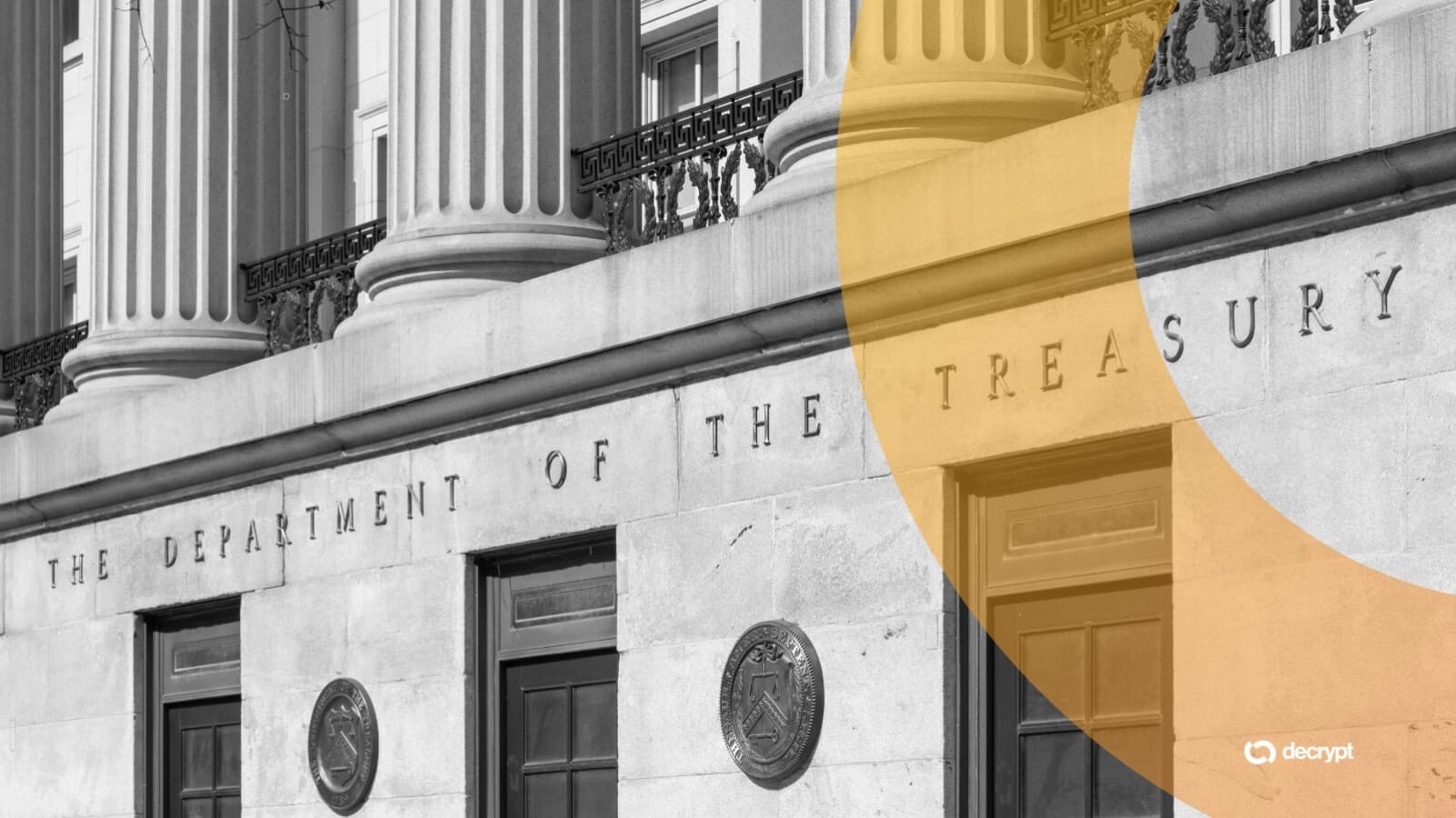
The U.S. government just escalated its enforcement campaign against what it's calling an alleged crypto scam empire. Regulators added 45 fresh targets connected to Prince Group to existing sanctions lists, signaling this investigation isn't slowing down.
The Scope of the Operation
This latest round represents a major expansion of previous enforcement actions. We're talking about a coordinated multi-agency push involving Treasury's Office of Foreign Assets Control (OFAC), alongside other federal bodies. The sheer number of targets—45 entities—tells you investigators have mapped out an intricate web of interconnected operations.
Prince Group and its associated network allegedly orchestrated a sprawling fraud scheme that exploited crypto's complexity. The operation's scale suggests sophisticated money flows across multiple jurisdictions, making this a textbook case of why regulatory scrutiny on crypto platforms has intensified.
What This Means for Crypto Market Intelligence
For traders and portfolio managers, this enforcement action matters on multiple levels. First, it reinforces that regulatory bodies are now equipped to track and identify sophisticated crypto schemes with precision. Second, it signals that participation in flagged entities carries serious legal risk—not just for individuals but for institutions that interact with them.
The crypto analysis community should note the broader pattern: we're seeing government agencies develop increasingly sophisticated tools for identifying fraudulent networks. This affects everything from exchange listing decisions to institutional custody choices.
The Regulatory Landscape Hardens
These sanctions come as regulators worldwide intensify bitcoin and ethereum monitoring. The U.S. Treasury's action demonstrates authorities can identify and isolate bad actors without broad-brush restrictions that would choke legitimate crypto markets. For investors evaluating portfolio exposure and trading counterparties, this granular enforcement approach is actually preferable to blanket bans.
OFAC's expanded target list will now restrict U.S. persons and entities from transacting with the sanctioned parties. For crypto platforms and institutional players in the trading and settlement space, this requires updated compliance protocols. Any interaction with flagged addresses or entities becomes a compliance nightmare.
Why This Matters Beyond Headlines
The Prince Group case illustrates a critical reality: as crypto markets mature, so do law enforcement's capabilities. We've moved beyond the era where sophisticated actors could hide behind pseudonymity and decentralized systems. Modern blockchain forensics, coupled with traditional financial intelligence, creates overlapping enforcement layers.
For serious crypto investors, this highlights why institutional-grade platforms with robust compliance infrastructure are becoming the default. Trading on unvetted exchanges or engaging with suspicious actors isn't just risky—it's now provably risky in ways regulators can and will prosecute.
Alpha Take
The 45-entity expansion proves crypto fraud enforcement has entered a new phase: surgical precision rather than sledgehammer regulation. We're watching regulators build playbooks for dismantling sophisticated schemes without broader market disruption. For portfolios exposed to crypto assets, verify your counterparties and platforms maintain OFAC compliance—regulatory clarity here is a feature, not a bug. This enforcement momentum will likely accelerate similar actions in 2024-2025 as agencies refine their investigative models.
Originally reported by
Decrypt
Not financial advice. Crypto investing involves significant risk. Past performance does not guarantee future results. Always do your own research.