
Federal Reserve Eyes Stricter Stablecoin Regulation to Combat Financial Crime
The Federal Reserve is signaling a harder line on stablecoin oversight, with Governor Michael Barr pushing for tighter controls to address money laundering risks embedded in the crypto ecosystem. Barr's position reflects growing concern within the central banking establishment that stablecoins—dig
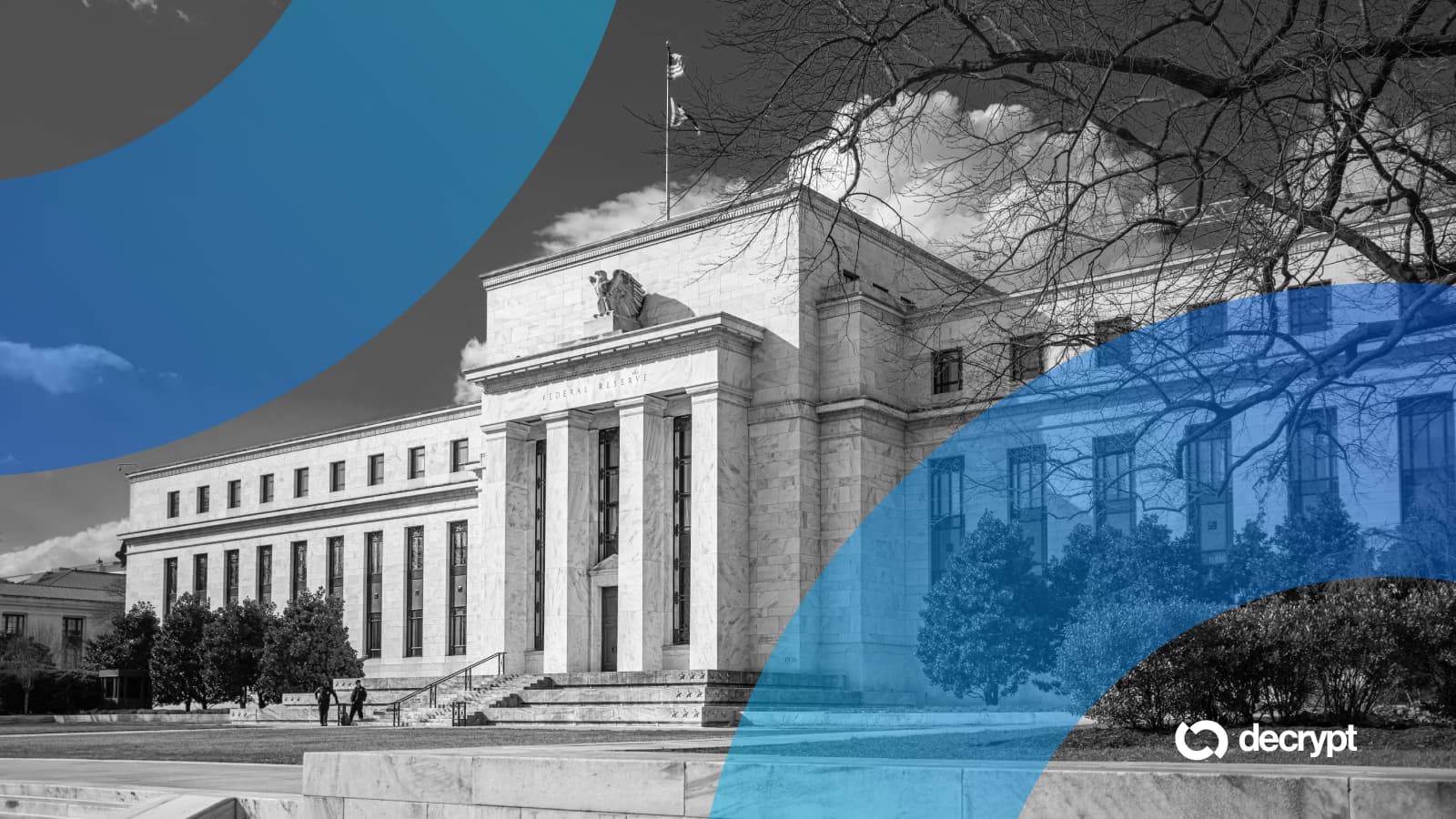
The Federal Reserve is signaling a harder line on stablecoin oversight, with Governor Michael Barr pushing for tighter controls to address money laundering risks embedded in the crypto ecosystem.
Barr's position reflects growing concern within the central banking establishment that stablecoins—digital assets pegged to traditional currencies—operate in regulatory gray zones that could facilitate illicit financial flows. The Fed governor has consistently flagged stablecoins as potential threats to the institution's credibility and the broader financial system's integrity.
The Regulatory Gap Problem
Currently, stablecoins exist in a patchwork regulatory environment where oversight responsibilities remain fragmented across federal and state agencies. This fragmentation creates vulnerabilities that bad actors exploit. Barr's push for tighter controls suggests the Fed wants to see stablecoin issuers subject to the same anti-money laundering (AML) and know-your-customer (KYC) standards that govern traditional financial institutions.
What makes this significant for crypto traders and portfolio managers: regulatory tightening on stablecoins could directly impact crypto market liquidity and trading mechanics. Stablecoins like USDC and USDT serve as critical trading pairs and liquidity bridges across exchanges. Stricter controls would likely increase compliance costs for issuers and potentially slow transaction speeds—meaningful friction in a space built on efficiency.
Why the Fed Cares Now
The central bank's escalating focus on stablecoins reflects real-world concerns. As digital assets have grown in transaction volume, so have opportunities for money laundering. The Fed worries that if stablecoins become dominant payment rails without proper guardrails, they could undermine confidence in the dollar itself and create backdoor channels for sanctions evasion and terrorist financing.
Barr previously warned that stablecoins risk fragmenting monetary authority and eroding Fed credibility if allowed to operate unchecked. This isn't theoretical scaremongering—it's institutional self-preservation mixed with legitimate financial stability concerns.
Market Implications
Here's what matters for your portfolio: expect regulatory pressure on major stablecoin issuers to intensify. Firms like Circle (USDC) and Tether (USDT) will likely face increased compliance requirements, reserve audits, and operational restrictions. This could create arbitrage opportunities for traders hedging stablecoin risks or potentially disadvantage smaller or less-capitalized stablecoin projects.
The broader bitcoin and ethereum markets may benefit from regulatory clarity around stablecoins. Right now, uncertainty about stablecoin regulation creates overhang across crypto assets. Clear rules—even stricter ones—often beat ambiguity for institutional adoption and long-term market stability.
Alpha Take
The Fed's stablecoin crackdown is less about crypto skepticism and more about protecting traditional monetary authority. Expect enhanced AML/KYC requirements for stablecoin issuers within 12-18 months as Congress and regulators coordinate policy. This could reduce retail friction in crypto trading but strengthen institutional confidence, ultimately reshaping how crypto market intelligence informs trading decisions. Monitor stablecoin reserve reports and issuer compliance announcements—they're now critical fundamental indicators.
Originally reported by
Decrypt
Not financial advice. Crypto investing involves significant risk. Past performance does not guarantee future results. Always do your own research.