
Feds Indict Uranium Finance Attacker: $53M Theft Carries Three-Decade Prison Threat
The U. S.
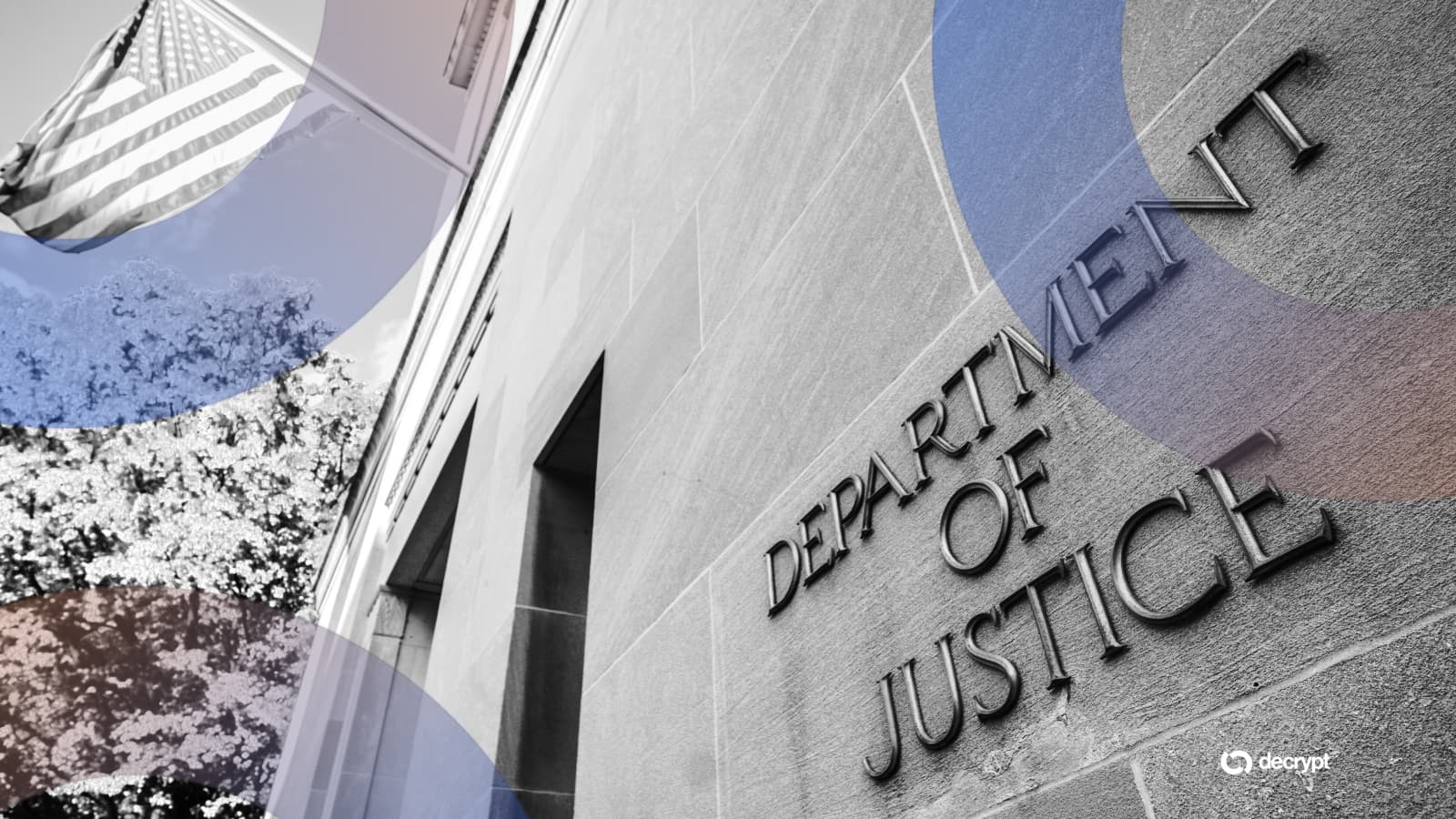
The U.S. Department of Justice has charged a hacker responsible for the $53 million Uranium Finance exploit, marking another significant law enforcement action against crypto criminals. The indictment brings serious federal charges that could result in up to 30 years of prison time across fraud and money laundering counts.
The Uranium Finance Breach
Uranium Finance, a decentralized finance (DeFi) protocol, suffered one of the platform's most damaging security incidents when the attacker executed an exploit that drained $53 million in user funds. The breach exposed vulnerabilities in the platform's smart contracts, a critical concern that resonates across the broader DeFi ecosystem where similar technical flaws have repeatedly led to massive losses.
Federal Charges and Penalties
The indictment structure reflects the DOJ's increasingly aggressive posture toward cryptocurrency crime. By stacking fraud and money laundering charges—rather than relying solely on computer crimes statutes—prosecutors are leveraging tools traditionally used against traditional financial criminals to send a message: crypto theft carries the same legal weight as conventional financial fraud.
The potential 30-year sentence reflects the magnitude of the theft and the sophistication required to execute the exploit. Money laundering charges specifically indicate that federal investigators traced attempts to convert or move the stolen cryptocurrency, suggesting the suspect didn't simply hold the funds in a wallet but actively worked to obscure their origins—a critical detail that often determines sentence length in these cases.
Broader Implications for Crypto Security
This enforcement action underscores a growing trend: U.S. authorities are building a comprehensive playbook for pursuing cryptocurrency theft across multiple jurisdictions and enforcement agencies. The Uranium Finance case joins a growing list of DeFi hacks where perpetrators face federal prosecution, signaling that law enforcement now has the technical capability and legal framework to pursue even sophisticated blockchain-based crimes.
The indictment also highlights why portfolio management and due diligence matter enormously in crypto. DeFi platforms, while offering attractive yields and innovative financial products, carry execution risk that traditional markets largely eliminated decades ago. Users who allocated capital to Uranium Finance faced not just market risk but protocol risk—the possibility that smart contract vulnerabilities would drain their holdings entirely.
What This Means for Traders and Investors
For the broader crypto trading community, this case reinforces the importance of diversification and risk assessment. While DeFi represents a compelling frontier for decentralized finance and potential returns, individual projects carry substantial technical and security risks. The fact that federal prosecutors can now effectively pursue these cases means that stolen funds may eventually be recovered and returned, but that's cold comfort to victims who've already lost access to their assets.
We're also seeing how law enforcement increasingly understands blockchain technology. The public, immutable ledger that makes crypto attractive also creates a permanent record of transactions—one that sophisticated investigators can follow. This transparency cuts both ways: it enables trustless financial systems, but it also makes criminal activity easier to trace than traditional money laundering.
Alpha Take
The Uranium Finance indictment demonstrates that crypto theft now receives the same prosecutorial attention as traditional financial crime—expect more charges as law enforcement capabilities mature. For portfolio builders, this reinforces the need to evaluate protocol security alongside yield potential; attractive returns don't offset technical risk. The case also suggests that stolen crypto may increasingly face recovery, though investors shouldn't rely on law enforcement to protect holdings that proper due diligence could have preserved.
Originally reported by
Decrypt
Not financial advice. Crypto investing involves significant risk. Past performance does not guarantee future results. Always do your own research.