
Geopolitical Tensions Push Bitcoin Lower as Safe-Haven Demand Shifts to Energy
Bitcoin's recent momentum hit a wall this week as geopolitical headlines weighed on crypto sentiment. The leading digital asset slipped below $81,000, marking a concerning retreat after weeks of resilience.
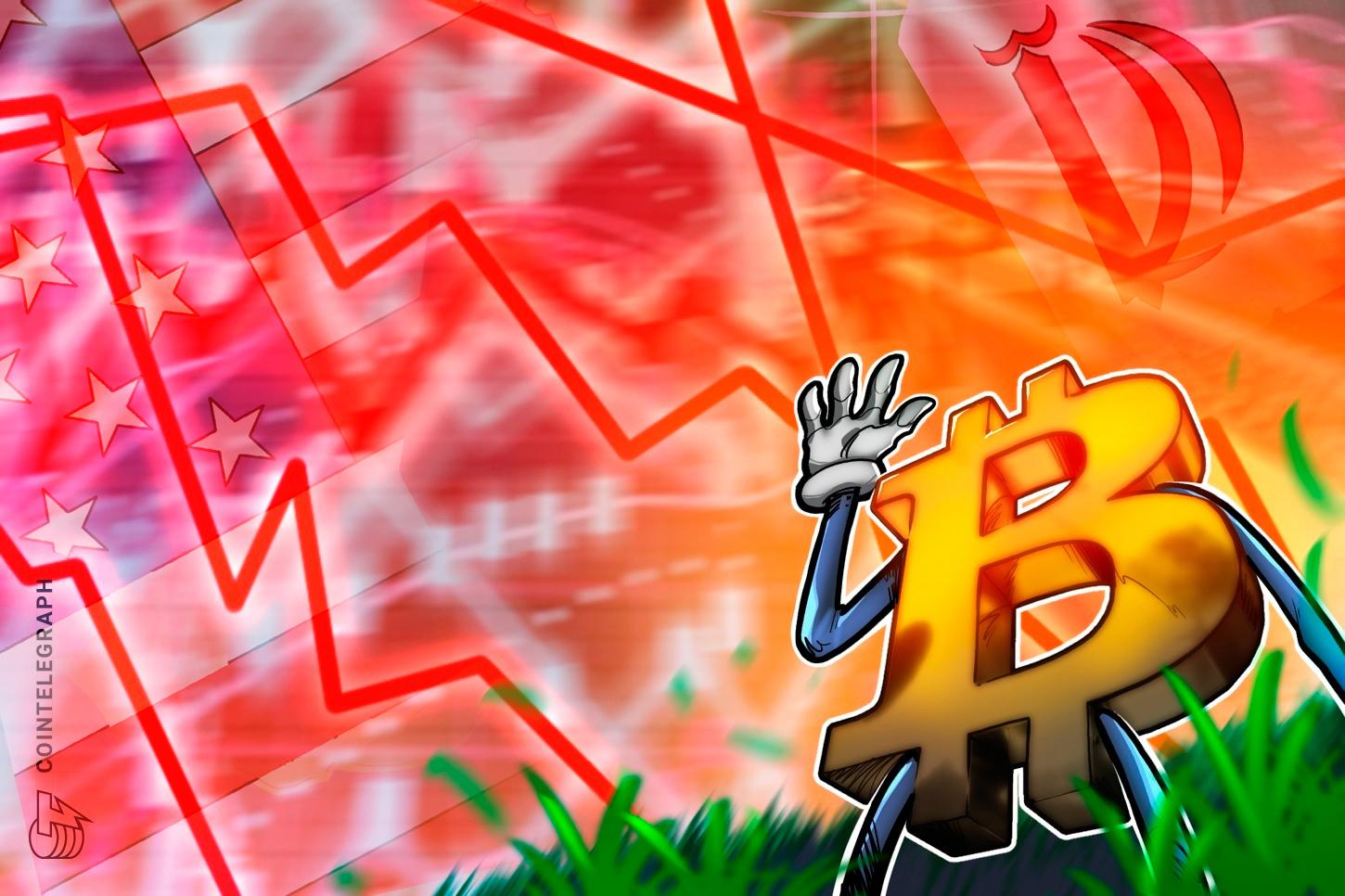
Bitcoin's recent momentum hit a wall this week as geopolitical headlines weighed on crypto sentiment. The leading digital asset slipped below $81,000, marking a concerning retreat after weeks of resilience. What caught our attention: the move coincided with escalating US-Iran tensions, suggesting traders are rotating capital away from crypto risk assets.
Here's what happened. Reports of potential military confrontation between the US and Iran triggered a classic flight-to-safety dynamic, but not in the direction many crypto bulls expected. Instead of the typical "crypto as digital gold" narrative playing out, money flowed into traditional safe havens—specifically energy commodities. Oil prices surged as traders positioned for potential supply disruptions in the Middle East. The result: Bitcoin retreated to levels not seen in nearly three weeks.
The Macro Picture
This dislocation reveals something important about crypto market psychology. While Bitcoin has built a reputation as "digital gold," during acute geopolitical shocks, institutional and algorithmic traders still gravitate toward proven defensive positions first. Oil, physical commodities, and treasuries remain the reflexive trades when headlines spike. Crypto, despite its supposed store-of-value properties, still gets treated as a risk-on asset during uncertainty spikes.
The $81,000 level matters because it represents a critical support zone. Breaking below it signals that Bitcoin's recent gains may lack the conviction we'd want to see for sustained momentum. When geopolitical risks materialize, conviction often evaporates fast.
What This Means for Your Portfolio
The broader lesson: geopolitical events remain crypto market wildcards. Unlike traditional assets with centuries of historical precedent, Bitcoin's behavior during genuine systemic shocks is still being written in real-time. The Iran-US situation created the kind of uncertainty that spooked traders—not enough for panic, but enough to trim risk positions.
Oil's strength here is the secondary story worth watching. Energy price spikes typically correlate with inflation expectations, which can eventually benefit hard assets like Bitcoin. However, that narrative only holds if tensions actually escalate into material supply disruptions. If tensions ease, we could see a reversal—oil selling off and risk assets like crypto bouncing back.
Alpha Take
Bitcoin's dip below $81,000 reflects a market still learning how to value crypto during real geopolitical friction. The crypto vs. traditional commodities trade-off matters for portfolio construction—Bitcoin isn't behaving like gold in every scenario yet. Watch whether $81,000 holds as a floor, and monitor oil price momentum as a leading indicator for near-term crypto sentiment. If Iran tensions de-escalate without resolution, expect potential relief bounces in risk assets including ethereum and broader altcoins.
Originally reported by
CoinTelegraph
Not financial advice. Crypto investing involves significant risk. Past performance does not guarantee future results. Always do your own research.