
Hardware Wallet Security Arms Race: Trezor Raises Password Limits Following Coldcard Breach Fallout
Trezor is tightening its security framework in direct response to July's devastating Coldcard attacks, which exposed a critical vulnerability in password-protected crypto storage. The move signals a broader industry reckoning with what happens when hardware wallet defenses fail.
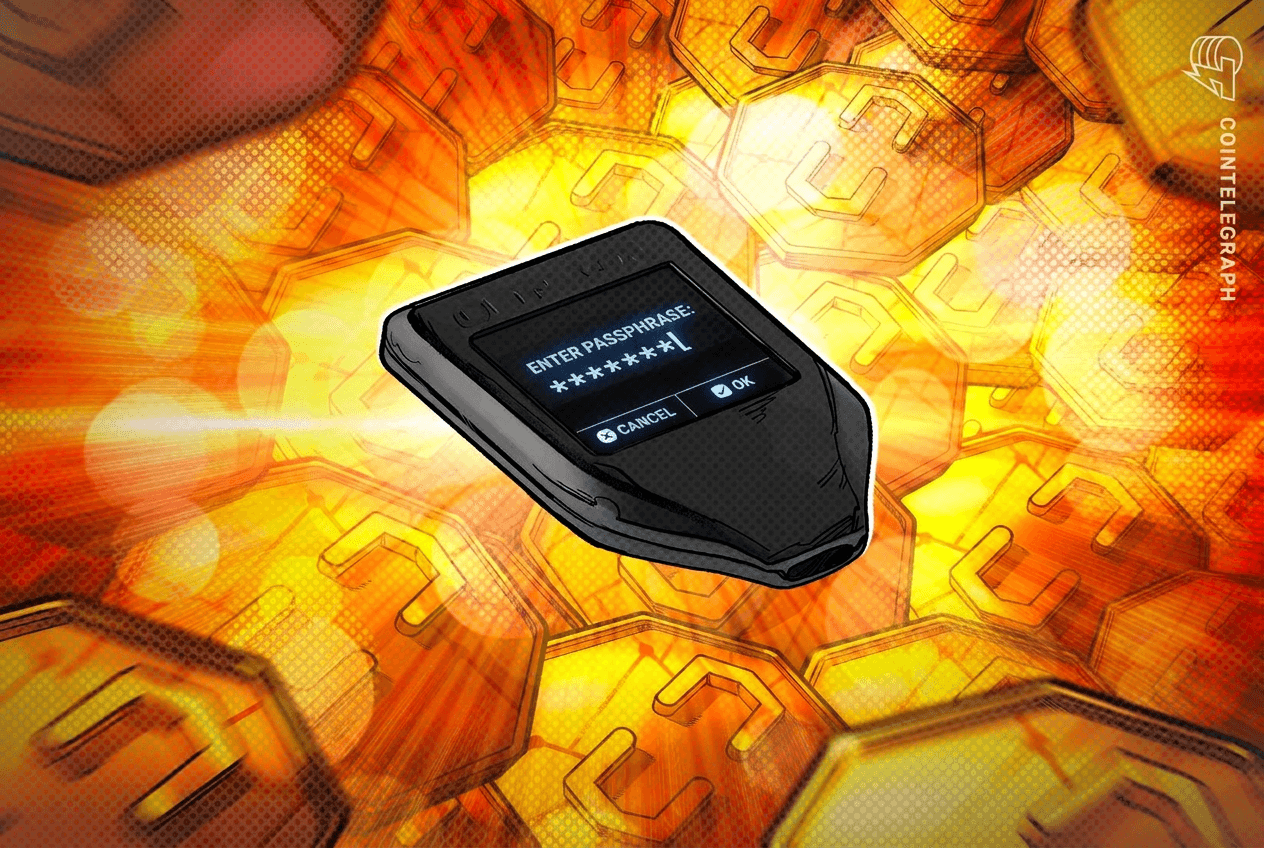
Trezor is tightening its security framework in direct response to July's devastating Coldcard attacks, which exposed a critical vulnerability in password-protected crypto storage. The move signals a broader industry reckoning with what happens when hardware wallet defenses fail.
Here's what went down: Coldcard users suffered approximately $100M in wallet thefts after attackers compromised recovery seed information. But here's the crucial detail—users who'd implemented strong passphrases emerged relatively unscathed. That's not luck; it's cryptography doing its job.
Why Passphrases Matter in Crypto Security
A passphrase operates as an additional encryption layer sitting between attackers and your actual wallet keys. Even if bad actors obtain your seed phrase, without the passphrase, they're staring at an empty vault. The Coldcard incident proved this concept in real-world conditions, and Trezor is clearly paying attention.
The company's response? Raising password complexity ceilings to give users more runway for creating truly bulletproof passphrases. This is smart portfolio defense. We're talking about letting crypto holders construct passphrases that exceed previous limitations, making brute-force attacks exponentially more resource-intensive.
The Mechanics Behind the Upgrade
Trezor's move reflects sophisticated market intelligence about attack vectors. Hardware wallet manufacturers know that as crypto holdings grow more valuable, attackers become increasingly sophisticated. The Coldcard breach wasn't some minor security glitch—it represented a comprehensive compromise of user recovery data for thousands of wallets.
By lifting passphrase ceilings, Trezor isn't just patching a hole. They're acknowledging that the barrier between a strong defense and a critical failure often comes down to whether users can implement genuinely complex authentication measures. That $100M in Coldcard losses serves as an expensive classroom for the entire industry.
Industry-Wide Implications for Crypto Traders
This development carries broader crypto analysis significance. Hardware wallets are meant to be the gold standard for self-custody—the fortress protecting your bitcoin, ethereum, and altcoin holdings when exchanges go bust or get hacked. When that fortress shows cracks, it shakes confidence across the entire ecosystem.
Trezor's proactive stance suggests they're taking the threat seriously enough to implement structural changes rather than just issuing security advisories. That's the kind of transparency that matters in market intelligence circles. Trading firms and institutional investors are watching which manufacturers respond decisively to breaches versus those that issue boilerplate statements.
The timing also matters. With crypto trading volumes elevated and bitcoin bouncing between critical resistance levels, secure storage isn't some niche concern—it's fundamental infrastructure that underpins investor confidence.
Alpha Take
Trezor's password-limit expansion is textbook security hardening, but it's also an admission that the Coldcard incident exposed industry-wide gaps in how we think about crypto asset protection. Users should immediately audit their passphrase complexity; if you're still using simple passwords on your hardware wallet, you're gambling with portfolio security. This is the kind of market intelligence that separates cautious traders from those who learn security lessons the expensive way.
Originally reported by
CoinTelegraph
Not financial advice. Crypto investing involves significant risk. Past performance does not guarantee future results. Always do your own research.