
Iran Eyes Bitcoin as Payment for Strait of Hormuz Oil Passage
Iran's exploring an unconventional workaround to sanctions pressure: accepting Bitcoin for oil tanker passage through the strategically critical Strait of Hormuz. This move signals how geopolitical friction and financial isolation are pushing nation-states toward crypto as a settlement mechanism—so
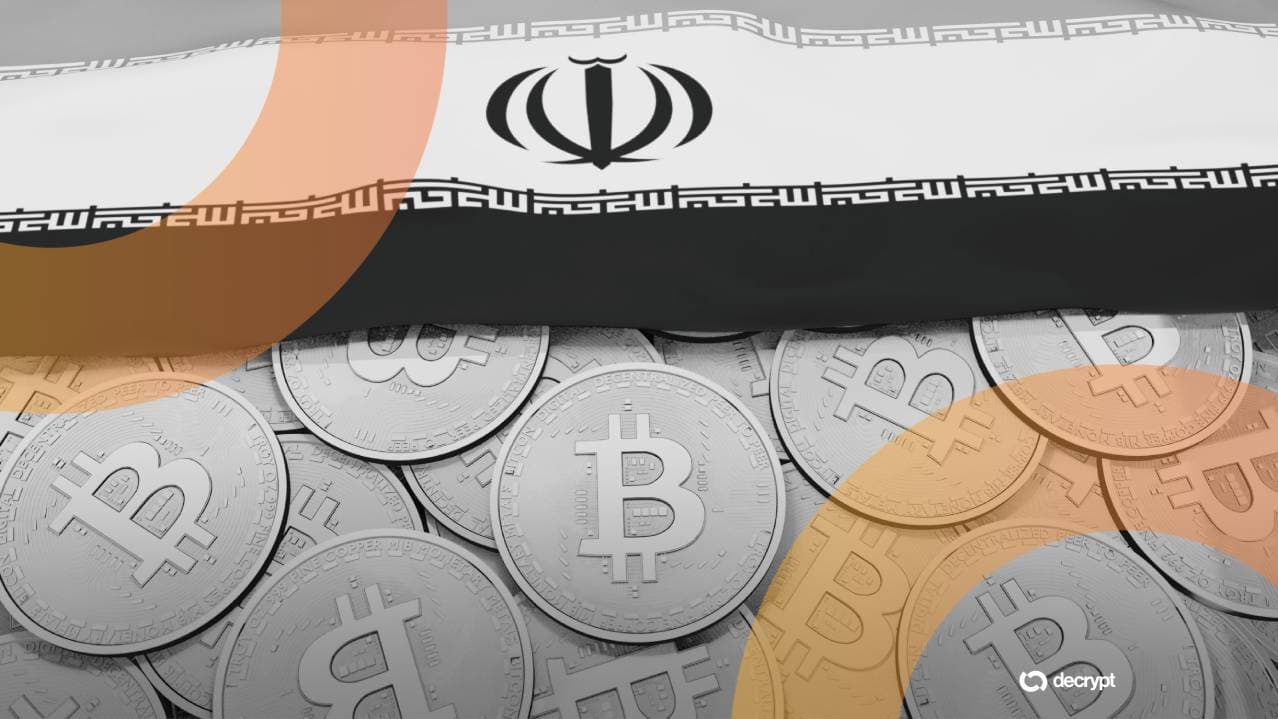
Iran's exploring an unconventional workaround to sanctions pressure: accepting Bitcoin for oil tanker passage through the strategically critical Strait of Hormuz. This move signals how geopolitical friction and financial isolation are pushing nation-states toward crypto as a settlement mechanism—something we've flagged as a macro trend worth watching for crypto analysis and portfolio positioning.
The setup here is straightforward. Western sanctions have squeezed Iran's ability to transact in dollars and access traditional banking channels. By pivoting to BTC for toll payments on one of the world's most important chokepoints—roughly 21% of global petroleum passes through the Strait—Iran sidesteps SWIFT entirely while maintaining revenue. It's a play that underscores bitcoin's core value proposition: censorship-resistant, borderless settlement.
Why This Matters for Macro Crypto Thesis
This isn't the first time we've seen sanctioned entities lean on crypto. But a nation-state using Bitcoin for critical infrastructure payments elevates the narrative beyond speculation. If Iran actually executes this, it creates precedent and pressure for other geoeconomically isolated players to follow. That's structural demand we don't typically price in.
The timing also matters. As sanctions regimes tighten globally, the economic incentive for countries to adopt crypto infrastructure intensifies. We're not talking about retail adoption—we're talking about state-level treasury operations. That's a different beast for bitcoin market intelligence and long-term valuation.
Morgan Stanley Fuels Bitcoin ETF Momentum
On the same day this broke, Morgan Stanley helped catalyze significant volume in Bitcoin spot ETFs. The institutional push for crypto exposure through regulated, accessible vehicles continues gaining steam. Morgan Stanley's involvement is notable because major Wall Street players mainstream the asset class—reducing custody risk concerns and lowering friction for portfolio managers who want bitcoin exposure without the operational headache.
This dual narrative—geopolitical demand on one end, institutional adoption on the other—creates an interesting market dynamic. Both are fundamentally bullish for ethereum and bitcoin market structure, though they operate on different timelines.
The Risk Factor
We should flag one caveat: implementation risk is real. Iran's financial infrastructure is already under stress, and actually settling oil passage in Bitcoin requires operational sophistication. Gas tankers don't wait around while transactions confirm. That said, if they solve the execution problems, the precedent becomes powerful.
Alpha Take
Iran's pivot toward Bitcoin for Strait of Hormuz payments represents an inflection point in state-level crypto adoption driven by sanctions pressure—not just speculation or tech enthusiasm. Combined with Morgan Stanley's continued institutional push into Bitcoin ETFs, we're watching both macro demand and infrastructure maturation converge. Watch for whether this actually moves beyond discussion into execution; if it does, you're looking at a meaningful validation of bitcoin's utility thesis that trading and crypto analysis models currently underweight. Position accordingly.
Originally reported by
Decrypt
Not financial advice. Crypto investing involves significant risk. Past performance does not guarantee future results. Always do your own research.