
Iran Eyes Bitcoin as Untraceable Payment Gateway for Strait of Hormuz Tolls
Iran is exploring cryptocurrency as a payment mechanism for oil vessels transiting the Strait of Hormuz, according to reporting from the Financial Times. Iranian officials have indicated that Bitcoin and other crypto assets would serve as an ideal medium for collecting passage tolls—one that circum
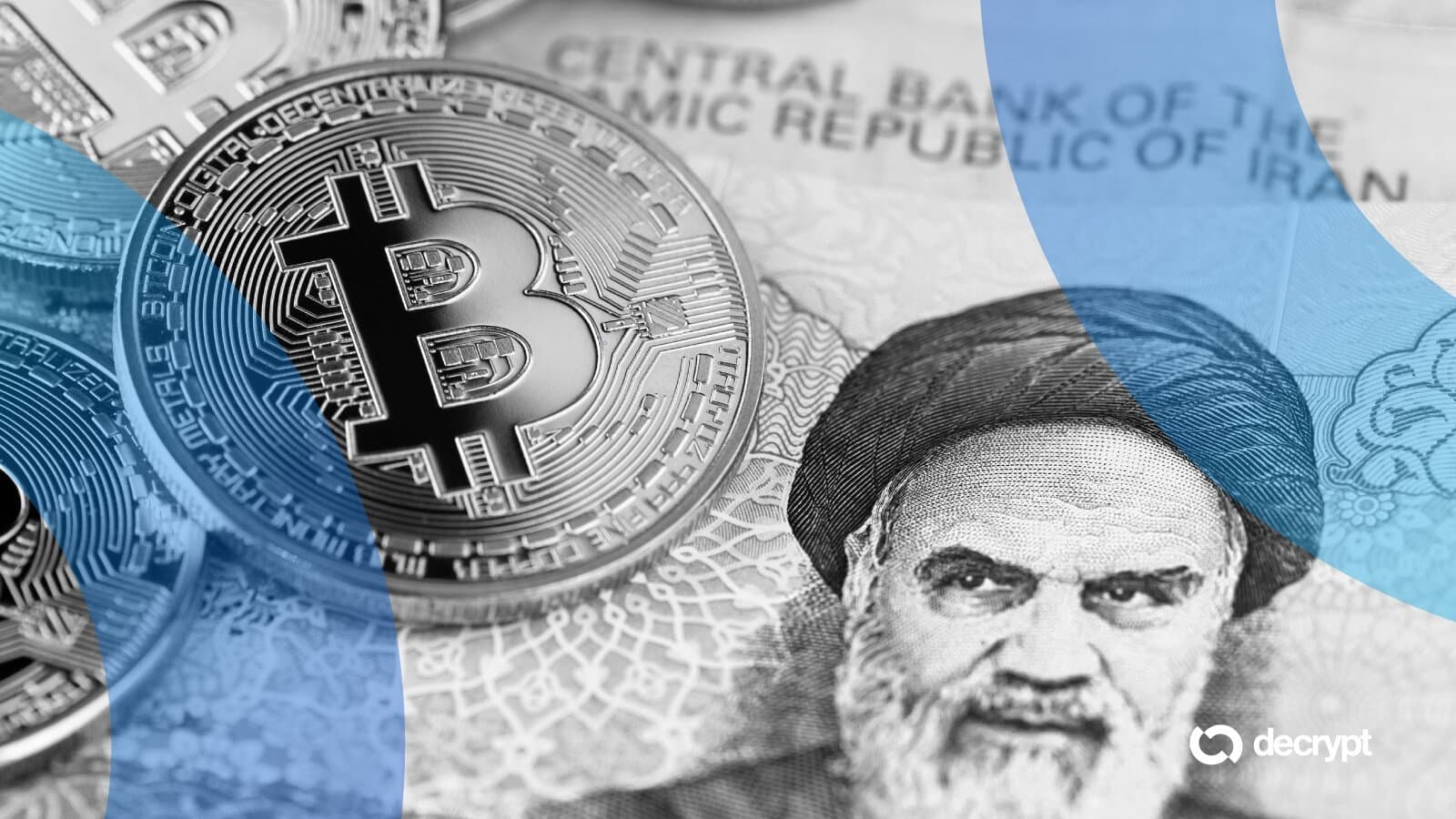
Iran is exploring cryptocurrency as a payment mechanism for oil vessels transiting the Strait of Hormuz, according to reporting from the Financial Times. Iranian officials have indicated that Bitcoin and other crypto assets would serve as an ideal medium for collecting passage tolls—one that circumvents traditional financial tracking systems that have crippled their economy under international sanctions.
The Sanctions Workaround Play
The appeal is straightforward: Iranian officials stated that Bitcoin payments would ensure tolls "can't be traced or confiscated due to sanctions." This reflects a broader strategic shift from Tehran to leverage crypto's pseudonymous nature as a counterweight to the financial isolation imposed by Western governments. With traditional banking channels largely shut off, Iran has progressively turned to alternative payment rails—and the Strait of Hormuz represents high-value transaction volume.
The strait is one of the world's most critical chokepoints for global energy. Roughly 20% of petroleum traded internationally passes through these waters, making it a natural focal point for Iran's revenue generation. By accepting Bitcoin instead of fiat currency, Tehran can theoretically move value across borders without leaving fingerprints on the SWIFT system or triggering secondary sanctions against banks handling the transfers.
Crypto as Geopolitical Leverage
This move isn't purely financial—it's strategic. Iran has previously experimented with crypto adoption, including reportedly accepting Bitcoin for oil sales to China and other trading partners. By normalizing cryptocurrency transactions at a major global trade artery, Tehran signals both technical sophistication and institutional acceptance of digital assets as legitimate settlement mechanisms.
The approach also highlights a critical paradox: while decentralized finance was built on principles of neutrality and censorship resistance, nation-states are now weaponizing these same properties against each other. Iran's interest in crypto-based tolls directly challenges the sanctions regime's effectiveness.
Market Implications
From a broader crypto market perspective, this demonstrates institutional adoption expanding into unexpected sectors—in this case, geopolitical arbitrage and sanctions evasion. Bitcoin's role as "digital gold" and value transfer mechanism continues to gain traction among actors seeking alternatives to dollar-denominated systems.
However, there are practical complications. Vessel operators transiting the strait would need infrastructure for Bitcoin settlement, custodial arrangements, and price discovery mechanisms. The volatility inherent in crypto markets could introduce uncertainty into operational costs. Additionally, Western intelligence agencies almost certainly monitor crypto transactions from Iranian addresses, potentially limiting the practical anonymity Iranian officials claim.
Alpha Take
Iran's interest in Bitcoin toll collection underscores crypto's increasing relevance in circumventing financial sanctions—but real anonymity remains elusive when state actors focus surveillance on blockchain transactions. For traders, this reflects broader institutional adoption of crypto as a settlement layer in high-stakes geopolitical scenarios, even if the practical implementation faces significant hurdles. The precedent matters more than immediate execution: if successful, other sanctioned entities will likely follow, expanding crypto's role in international commerce beyond traditional markets.
Originally reported by
Decrypt
Not financial advice. Crypto investing involves significant risk. Past performance does not guarantee future results. Always do your own research.