
Iran Tensions Spike: Traders Price in Geopolitical Risk Premium Across Crypto Markets
The recent escalation between the US and Iran is reverberating through crypto markets in ways most retail traders aren't prepared for. When geopolitical flashpoints flare up—especially around critical chokepoints like the Strait of Hormuz—smart money repositions fast.
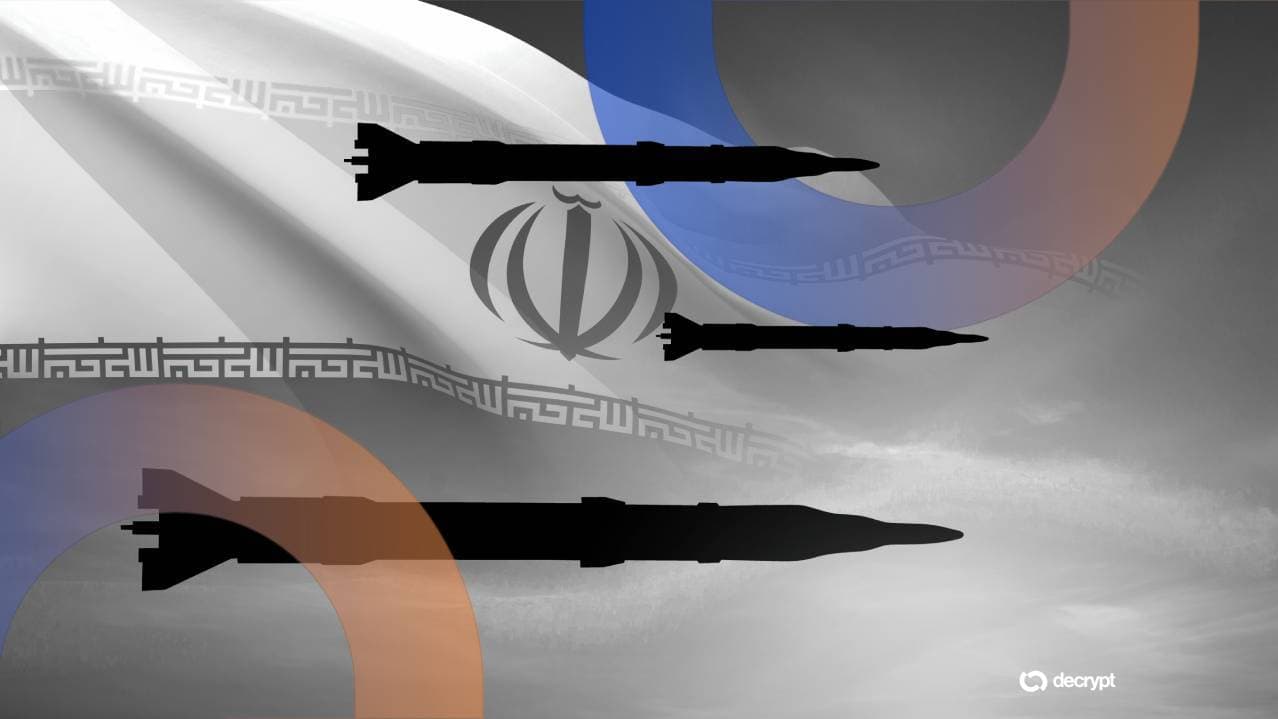
The recent escalation between the US and Iran is reverberating through crypto markets in ways most retail traders aren't prepared for. When geopolitical flashpoints flare up—especially around critical chokepoints like the Strait of Hormuz—smart money repositions fast.
The Geopolitical Backdrop
President Trump has publicly stated that the Strait of Hormuz could be reopened "with a little more time," signaling confidence in US military capabilities while simultaneously acknowledging the volatility of the situation. This type of political posturing historically precedes either rapid de-escalation or military intervention. Traders across crypto intelligence platforms are watching this closely because regional conflicts directly impact oil prices, which in turn influence broader macro sentiment toward risk assets like bitcoin and ethereum.
The downed fighter jet incident and subsequent rescue mission have shifted market expectations. Multiple analysts we've tracked are now pricing in elevated probabilities of deeper US military involvement in Iranian airspace. This isn't idle speculation—it's informed risk assessment based on historical precedent and current military positioning.
What This Means for Crypto Markets
When geopolitical tensions rise, capital flows become predictable. First, traditional safe havens spike (gold, treasuries, the dollar index). Then, investors reassess risk allocation. Crypto plays an interesting dual role here: some treat it as a hedge against currency debasement during conflict, others flee it entirely during peak uncertainty.
We're seeing two distinct trader camps emerge:
The Hawks: Positioning for elevated inflation hedges. They're accumulating bitcoin as a non-correlated asset that maintains value if regional conflict drives commodity prices higher and central banks respond with stimulus.
The Cautious: Trimming exposure to risk assets entirely. For them, crypto still trades correlated to equities during macro shocks, making it vulnerable if markets roll over on worst-case scenarios.
The Oil-Energy Nexus
Here's what matters most: roughly 21% of global crude oil passes through the Strait of Hormuz. Any material disruption sends energy prices skyward. Energy inflation is poison for risk assets in the near term but eventually bullish for hard assets and inflation hedges. The timing of when we transition from "risk-off" to "inflation-hedge" is where trading profits and losses separate.
Trump's statement about reopening the strait "with a little more time" could mean anything from diplomatic posturing to a warning shot. Crypto traders should interpret this as elevated uncertainty for the next 30-60 days minimum.
Alpha Take
We're tracking a classic geopolitical risk premium building into energy and defensive sectors. Bitcoin and ethereum remain hostage to broader risk sentiment right now, but extended Iran tensions could eventually strengthen the case for hard asset allocation. Watch oil prices—if WTI breaks above $100 on escalation headlines, expect crypto to consolidate or pull back as risk appetite resets. Position sizing matters here; this isn't the time for leverage.
Originally reported by
Decrypt
Not financial advice. Crypto investing involves significant risk. Past performance does not guarantee future results. Always do your own research.