
Kraken Launches DeFi Yield Strategy on Tokenized Equities and ETFs
Kraken is making a strategic play to blur the lines between traditional finance and decentralized finance—introducing xStocks vaults that generate yield on tokenized versions of major equities and US stock market ETFs. The exchange's new offering lets investors earn returns by lending their tokeni
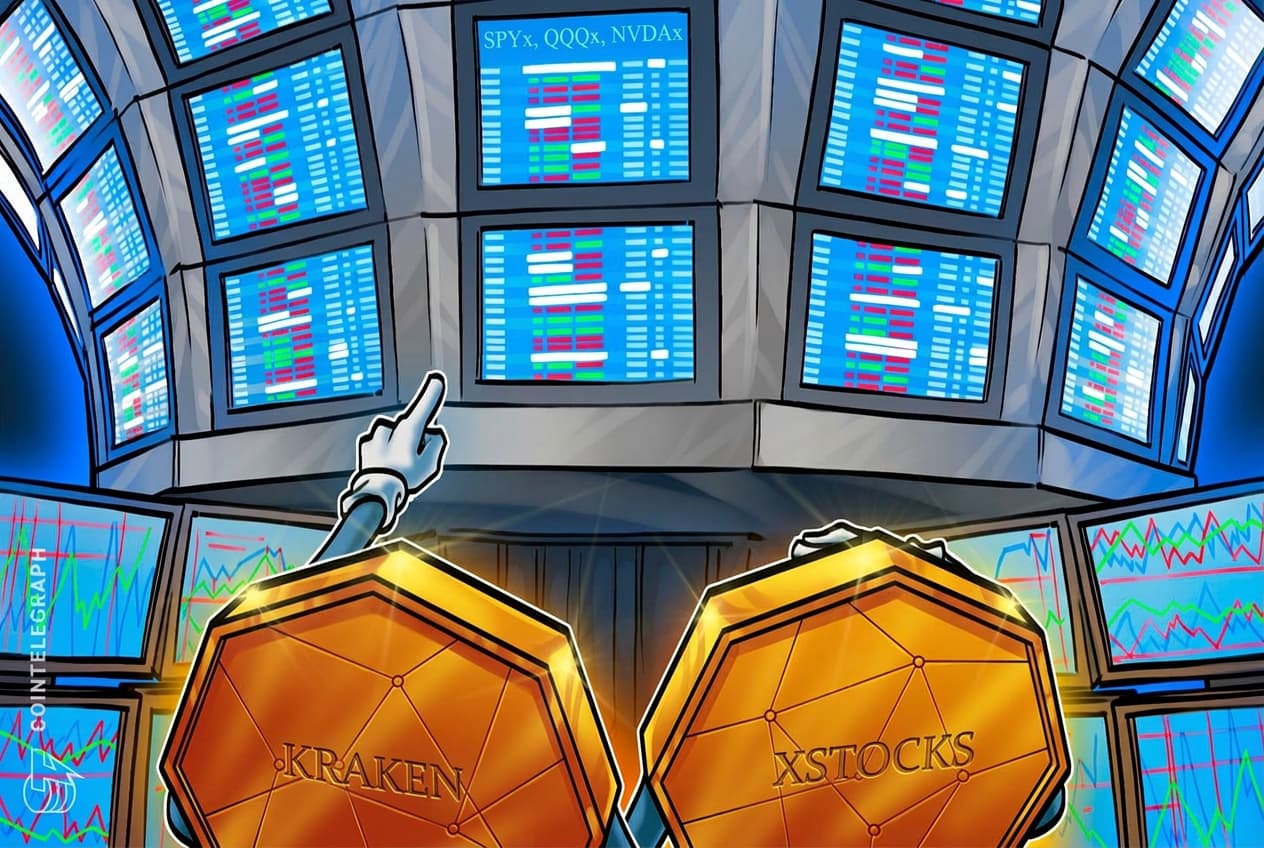
Kraken is making a strategic play to blur the lines between traditional finance and decentralized finance—introducing xStocks vaults that generate yield on tokenized versions of major equities and US stock market ETFs.
The exchange's new offering lets investors earn returns by lending their tokenized stock positions into DeFi markets. The flagship play? Tokenized Nvidia shares and major ETF positions, now earning passive yield previously unavailable in traditional brokerage accounts.
How Kraken's xStocks Vaults Work
Here's the mechanics: you deposit tokenized stocks or ETFs into Kraken's vaults, and the platform lends those assets into decentralized finance protocols. The yield generated from these lending activities flows back to vault participants. It's essentially Kraken taking your digital equity positions and putting them to work in DeFi's yield-farming ecosystem.
This approach targets a pain point for crypto traders who want equity exposure but also want their capital earning something. Traditional stock lending is opaque and typically reserved for institutional players with massive positions. Kraken's model democratizes access—retail investors can now participate in yield generation on the stocks they hold.
The Nvidia tokenization is particularly telling. As one of the most valuable companies globally and a crypto community favorite (thanks to its AI chip dominance), Nvidia represents exactly the kind of mega-cap asset that attracts both traditional and crypto traders. Pairing it with major ETF options gives investors flexibility: go narrow with individual stock yield, or diversify through broad market exposure.
The DeFi Lending Angle
By routing these tokenized assets into DeFi lending protocols, Kraken taps into yield rates that dwarf what traditional finance offers. DeFi platforms often generate double-digit returns on collateralized lending—returns that are now accessible to Kraken users holding tokenized equities.
The risk calculation matters here: users are exposed to smart contract risk, protocol risk, and the volatility inherent in DeFi markets. Kraken's vaults abstract away some complexity, but investors should understand they're not getting traditional market yields. They're getting DeFi yields—higher potential returns paired with higher execution risk.
Strategic Positioning
This move positions Kraken as an intermediary between traditional finance and crypto innovation. As tokenization of real-world assets (RWA) gains institutional attention, Kraken is building infrastructure to capture that flow. The xStocks vaults aren't just a product feature—they're a statement that the exchange sees tokenized equities as a material part of crypto's future.
The integration of major US ETFs is crucial. ETFs represent trillions in AUM. If even a fraction of that capital migrates to tokenized versions earning DeFi yield, the addressable market is enormous. Kraken isn't just serving crypto natives anymore; it's building a bridge for traditional investors hunting yield in an environment where bonds barely pay and savings accounts are a joke.
Alpha Take
Kraken's xStocks vaults represent smart portfolio strategy execution: take underutilized assets and generate yield through DeFi. For traders comfortable with smart contract risk, this is a legitimate yield play on equities you were holding anyway. Watch how institutional adoption of tokenized stocks develops—if it scales, Kraken's early positioning here becomes valuable real estate in the crypto economy.
Originally reported by
CoinTelegraph
Not financial advice. Crypto investing involves significant risk. Past performance does not guarantee future results. Always do your own research.