
KuCoin Faces U.S. Market Ban: What the $500K CFTC Settlement Means for American Traders
KuCoin is now barred from serving U. S.
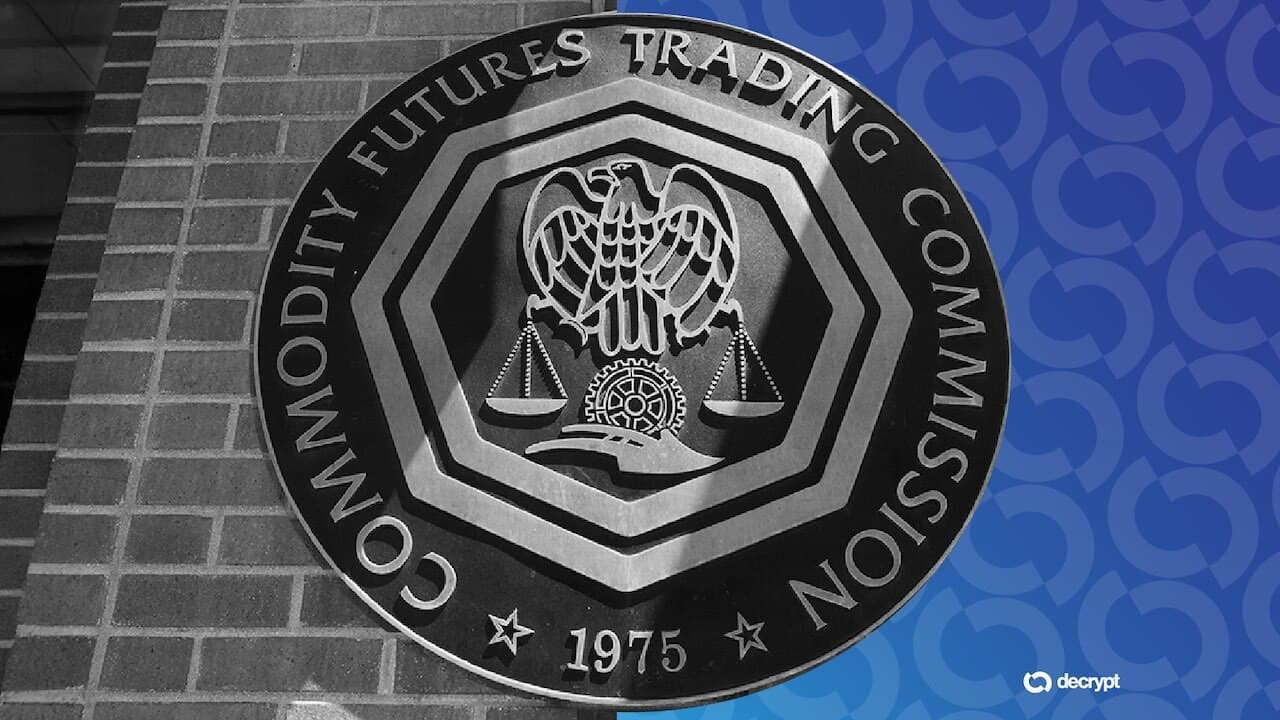
KuCoin is now barred from serving U.S. customers following a federal court order tied to a $500,000 settlement with the Commodity Futures Trading Commission (CFTC). The order, which is permanent in nature, effectively locks American traders out of one of the crypto market's major trading platforms unless the exchange undergoes formal registration.
The Settlement Details
The CFTC enforcement action centers on KuCoin's alleged violation of regulatory requirements for cryptocurrency derivatives trading. The $500K settlement represents the financial penalty, but the real bite comes from the permanent injunction: KuCoin must register as a derivatives exchange with the CFTC to legally serve U.S. users again. This isn't a temporary suspension—it's a structural barrier requiring significant regulatory compliance overhaul.
The federal court's decision reflects growing regulatory pressure on unregistered crypto platforms offering leveraged trading products. The CFTC has been aggressive in pursuing exchanges that offer futures, perpetual contracts, and other derivatives without proper licensing, viewing these platforms as posing systemic risk to retail traders.
Market Impact and User Implications
For American traders who've built positions or held balances on KuCoin, this creates immediate logistical challenges. The exchange must now implement geo-blocking technology to prevent U.S. IP addresses from accessing its platform. Users have a window to withdraw funds, though KuCoin hasn't provided a final deadline for complete account closure.
This move aligns with the broader regulatory crackdown we've seen across the crypto trading ecosystem. Binance faced similar pressures, prompting its partial withdrawal from U.S. markets. Crypto.com and other major platforms have similarly tightened U.S. user access or restructured their offerings to comply with state and federal requirements.
What Comes Next?
KuCoin's path forward depends entirely on whether the exchange pursues CFTC registration. The registration process is lengthy and requires demonstrating robust risk management, customer protection mechanisms, and financial reserves. For a platform built on a global, decentralized model, meeting these centralized regulatory standards represents a fundamental business pivot.
The settlement also signals that the CFTC will continue targeting platforms offering unregistered derivatives products to U.S. customers. Exchanges operating in crypto's gray zone—where regulatory clarity remains murky—should expect similar enforcement actions.
From a crypto analysis perspective, this reflects the maturing regulatory landscape. The days of unrestricted derivatives trading on unregistered platforms serving American retail investors appear to be ending. Whether that's positive or negative depends on your view: stricter oversight protects inexperienced traders from leverage-induced liquidations, but it also limits market access and innovation.
Alpha Take
The KuCoin order demonstrates regulators' willingness to use permanent bans as enforcement teeth. U.S. traders losing access to a major exchange is significant, but expect more of these actions as the CFTC enforces registration requirements. If you're American and have active positions on unregistered platforms, audit your exposure now—regulatory risk is becoming a material portfolio consideration in crypto trading.
Originally reported by
Decrypt
Not financial advice. Crypto investing involves significant risk. Past performance does not guarantee future results. Always do your own research.