
Ledger Enters the Lending Game: Borrow Stablecoins Without Liquidating Your Bitcoin
Ledger just made a strategic move that challenges the traditional crypto lending playbook. The hardware wallet giant unveiled a Bitcoin loan feature at TOKEN2049 Singapore, powered by Morpho, that lets holders access liquidity while maintaining custody of their assets.
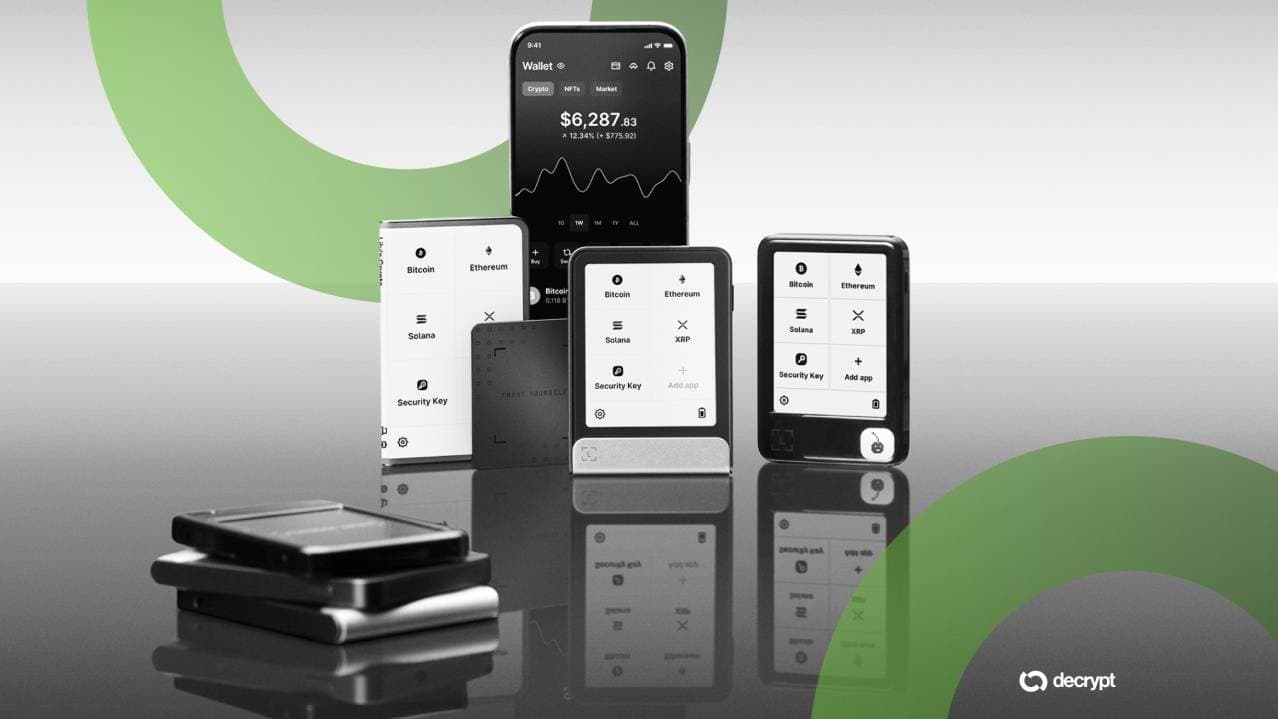
Ledger just made a strategic move that challenges the traditional crypto lending playbook. The hardware wallet giant unveiled a Bitcoin loan feature at TOKEN2049 Singapore, powered by Morpho, that lets holders access liquidity while maintaining custody of their assets.
Here's what makes this different: users can now borrow stablecoins directly against their Bitcoin holdings—all without surrendering private keys or control. The approval process stays on your Ledger hardware device, keeping the security model intact. This is a meaningful shift for the crypto market, where most lending protocols require users to either bridge assets to centralized platforms or give up custody rights.
The Mechanics: Custody Meets Capital Access
The feature integrates wrapped Bitcoin into Ledger's ecosystem, creating a collateral mechanism that preserves self-custody principles. Users maintain private key control while accessing the liquidity they need—think of it as borrowing against Bitcoin without the counterparty risk that comes with traditional lending platforms.
The Morpho integration matters here. Morpho has built a reputation in the DeFi space for enabling efficient lending markets, and this partnership gives Ledger access to that infrastructure without compromising the hardware wallet's security-first positioning.
Why This Matters for Bitcoin Holders
The crypto lending market has a trust problem. Platforms like BlockFi, Celsius, and Voyager Digital collapsed spectacularly, wiping out user deposits and destroying confidence in centralized lending. Ledger's approach addresses that directly—you're not handing coins to a third party hoping they manage them responsibly.
For portfolio management, this creates optionality. Bitcoin holders can now access stablecoin liquidity for trading, lending opportunities, or general portfolio rebalancing without triggering taxable events. In crypto markets where prices move fast, that flexibility has real value.
The Bigger Picture
Ledger's move signals where institutional-grade crypto infrastructure is headed: combining hardware security with DeFi access. As more legitimate financial infrastructure emerges in crypto, lenders will need to compete on trust and transparency rather than just yield rates.
The feature also highlights a broader trend in the market—users are increasingly demanding solutions that don't force them to choose between security and utility. Hardware wallets used to be seen as cold storage only. Now they're becoming access points to financial services while maintaining the custody guarantees that make them attractive in the first place.
TOKEN2049 Singapore has become a stage for announcements that move markets. Ledger's timing matters too; it comes as Bitcoin volatility remains elevated and traders actively seek ways to optimize capital efficiency without taking on unnecessary counterparty risk.
Alpha Take
Ledger's Bitcoin loan feature addresses a real pain point in crypto—accessing liquidity without surrendering self-custody or exposing assets to platform risk. This isn't a game-changer on its own, but it signals how institutional-grade crypto infrastructure will evolve: combining hardware security with DeFi accessibility. Watch whether other major custodians follow this model; if they do, it validates the market demand for non-custodial lending solutions.
Originally reported by
Decrypt
Not financial advice. Crypto investing involves significant risk. Past performance does not guarantee future results. Always do your own research.