
Ledger Pins $87M Drain on Single Reseller, Says Core Systems Remain Secure
Ledger is drawing a clear line: the suspected $87 million drain affecting its customers has nothing to do with the company's infrastructure or direct sales channels. In a statement addressing the ongoing security incident, the hardware wallet manufacturer clarified that all confirmed cases of unau
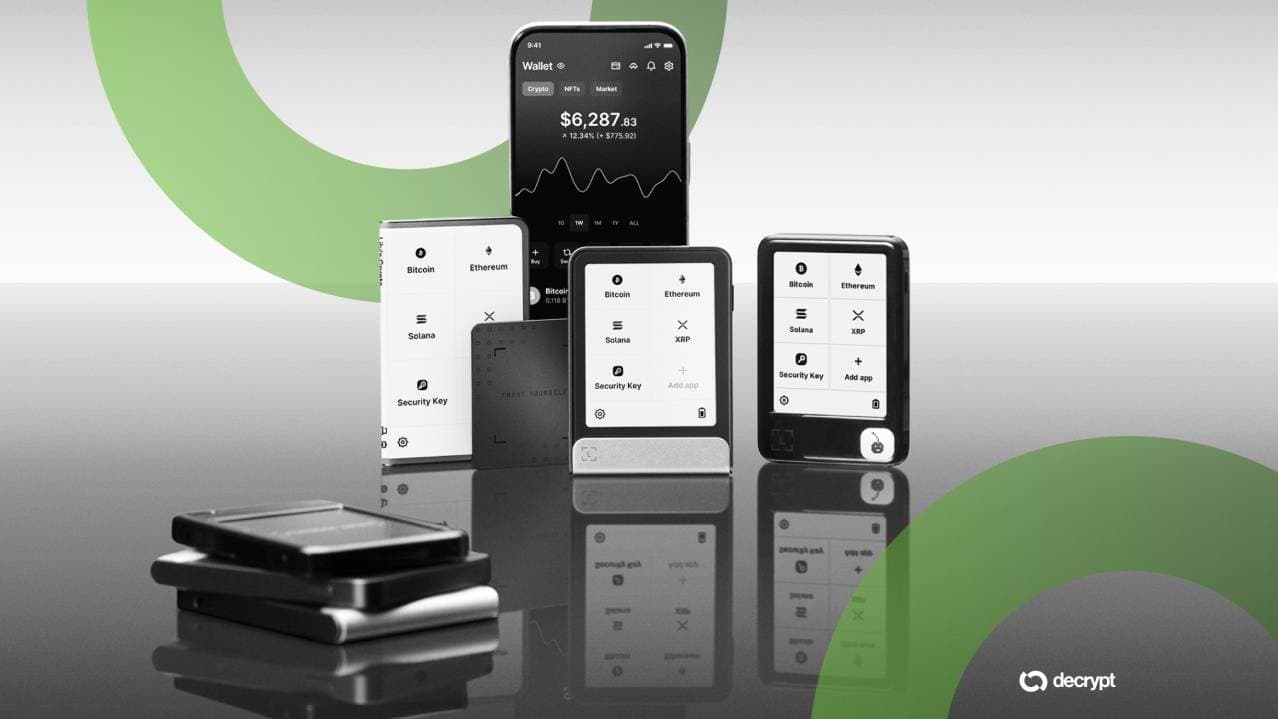
Ledger is drawing a clear line: the suspected $87 million drain affecting its customers has nothing to do with the company's infrastructure or direct sales channels.
In a statement addressing the ongoing security incident, the hardware wallet manufacturer clarified that all confirmed cases of unauthorized access trace back to CryptoBilis, a reseller operating outside Ledger's direct ecosystem. The distinction matters—it means Ledger's own systems and first-party sales remain uncompromised, limiting the blast radius of what could've been catastrophic for the crypto community.
Here's what we know: CryptoBilis, which distributed Ledger hardware wallets through alternative channels, has already ceased operations. The reseller's shutdown suggests the vulnerability existed on their end, not upstream at Ledger's manufacturing or authentication layer. This is crucial intel for anyone holding Ledger devices or considering them for portfolio security.
The $87 million figure represents the total value of assets allegedly drained from affected accounts. While that's substantial enough to grab headlines, the more relevant metric is the number of confirmed compromised wallets—which Ledger has been tracking separately. Every confirmed case, according to the company, connects directly to devices sourced through CryptoBilis rather than Ledger's official channels or authorized partners.
What This Means for Ledger's Credibility
The crypto hardware wallet market runs on trust. When millions of users store bitcoin, ethereum, and other assets in these devices, any sign of compromise sends shockwaves. Ledger's swift public positioning—isolating the incident to a third-party reseller—suggests either strong evidence supporting their claim or excellent crisis management. We'd bet on the former, but it's worth staying skeptical until independent security audits confirm the core wallet firmware and Ledger's own distribution channels remain bulletproof.
The Reseller Problem
This incident highlights a real vulnerability in the hardware wallet supply chain: resellers. When devices pass through unauthorized distributors, tracking authenticity becomes harder. Users buying Ledger wallets from random online marketplaces or shady resellers bear additional risk. CryptoBilis's shutdown removes one vector, but the broader lesson is straightforward—buy directly from Ledger or verified authorized retailers, period.
What About Existing Users?
Customers who purchased through official Ledger channels should be in the clear based on this assessment. However, anyone who bought a Ledger device from CryptoBilis needs to assume compromise and act accordingly: check for unauthorized transactions, revoke keys if possible, and migrate assets to a new trusted wallet immediately. Waiting isn't an option here.
The crypto trading and portfolio management world runs on the assumption that self-custody through hardware wallets is safer than exchange wallets. This incident doesn't break that thesis—it reinforces that the weakest links are always the edges of the supply chain, not the core technology.
Alpha Take
Ledger's isolation of this breach to a third-party reseller is good news for the hardware wallet market's integrity, but it underscores a critical risk vector: supply chain vulnerabilities. For traders and investors managing serious crypto portfolios, this reinforces the importance of buying directly from manufacturers or authorized distributors. The $87 million drain, while painful for affected users, represents a manageable incident rather than a systemic failure—but verify independently rather than taking anyone's word for it.
Originally reported by
Decrypt
Not financial advice. Crypto investing involves significant risk. Past performance does not guarantee future results. Always do your own research.