
LNbits Issues Urgent Security Patch Following Bitcoin Wallet Compromise Reports
LNbits, a popular Bitcoin wallet and payments platform, has rolled out an emergency security patch after reports surfaced of unauthorized wallet access and potential fund theft. The development marks a critical moment for the self-custodial ecosystem, raising fresh questions about the robustness of
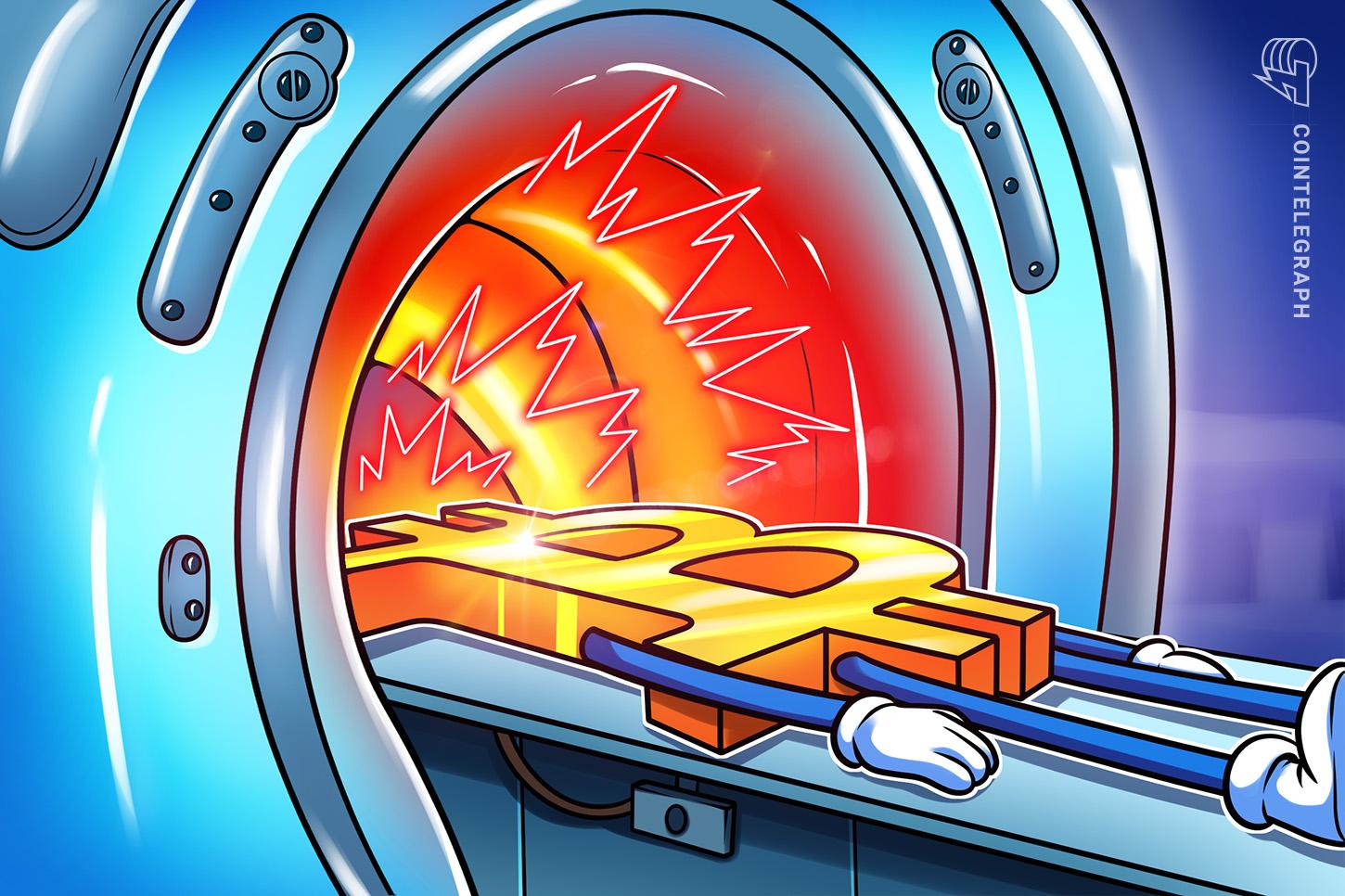
LNbits, a popular Bitcoin wallet and payments platform, has rolled out an emergency security patch after reports surfaced of unauthorized wallet access and potential fund theft. The development marks a critical moment for the self-custodial ecosystem, raising fresh questions about the robustness of open-source wallet infrastructure.
The incident, which triggered immediate action from the LNbits development team, appears to have affected users' ability to secure their private keys and manage funds autonomously. While full details remain limited as the team works through damage assessment, early reports indicate that certain wallet instances experienced unauthorized access that could have resulted in loss of user funds.
What We Know About the Breach
LNbits operates as a lightweight Bitcoin wallet system designed to enable developers and merchants to build payment applications without requiring users to run full nodes. The platform's popularity stems from its flexibility and integration capabilities across the Lightning Network ecosystem—but that openness also creates surface area for potential exploits.
The emergency patch was deployed swiftly, suggesting the development team took the security threat seriously. Security researchers and community members quickly flagged the vulnerability, prompting the rapid response. For anyone running LNbits instances, updating to the patched version is now critical.
Market Context and Trader Implications
At the time of reporting, Bitcoin trading around $73,755, down 1.80% in recent sessions, while Ethereum dipped 3.34% to $2,056.43. The broader crypto market faced headwinds, with most major assets in red territory—including Solana at $83.45 (down 3.57%), Binance Coin at $682.21 (off 1.32%), and Ripple sliding 4.35% to $1.05. Dogecoin, meanwhile, held relatively steady, down just 1.96% to $0.06856.
Security incidents like this can trigger broader portfolio risk reassessment, particularly among traders holding funds on decentralized or semi-custodial platforms. The incident underscores why many institutional players still gravitate toward fully regulated custodians, despite the philosophical appeal of self-custody solutions.
The Bigger Picture for Crypto Infrastructure
This event exposes the tension within Bitcoin's self-custody narrative. While true self-custody eliminates counterparty risk from centralized exchanges, it introduces operational complexity and technical risk. Users must understand that open-source wallet software—while transparent and auditable—still requires competent implementation and deployment.
LNbits' rapid response suggests mature incident management practices, which is positive. However, the incident reinforces that no platform is immune to vulnerabilities. Community-driven projects sometimes lack the resources for continuous security audits that institutional infrastructure commands.
For crypto analysis purposes, this serves as a reminder: verify what you're running, keep software updated, and understand that "trustless" systems still require trust in the developers maintaining them.
Alpha Take
LNbits' emergency patch addresses a genuine security gap, but reinforces that even well-intentioned open-source projects carry execution risk. If you're running self-hosted wallet infrastructure, treat security updates with the same urgency as your exchange would. The broader market intelligence angle: incidents like this subtly benefit regulated custodians when confidence in distributed alternatives wavers, potentially affecting capital allocation across the crypto trading landscape.
Originally reported by
CoinTelegraph
Not financial advice. Crypto investing involves significant risk. Past performance does not guarantee future results. Always do your own research.