
Meta's New Patent Could Turn Your Webcam Into an Automated Surveillance System
Meta has filed a patent that would equip cameras with facial recognition technology capable of automatically logging user actions and behaviors—all without explicit consent from individuals being monitored. The patent describes a system that processes raw video footage and converts it into labeled
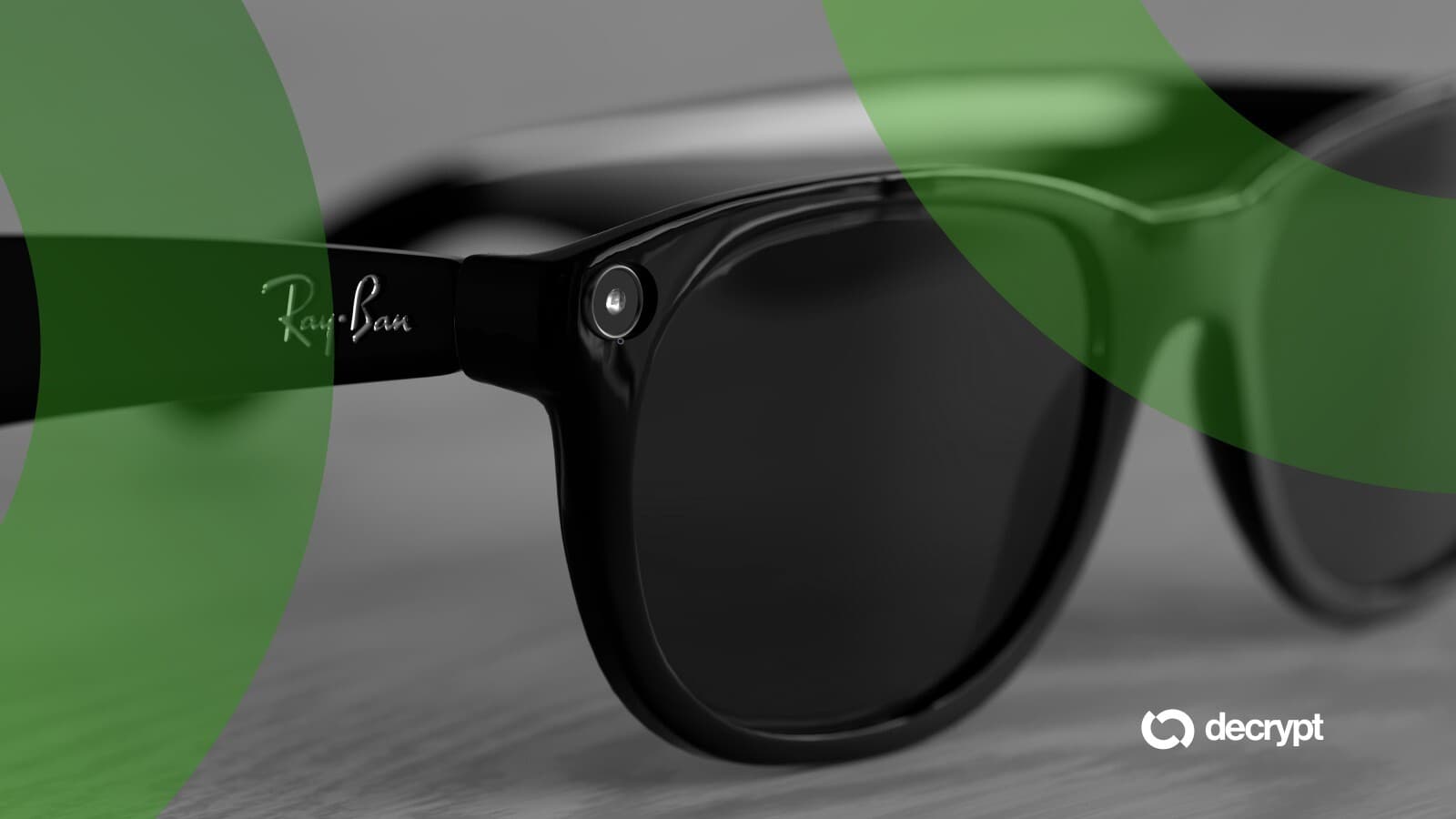
Meta has filed a patent that would equip cameras with facial recognition technology capable of automatically logging user actions and behaviors—all without explicit consent from individuals being monitored.
The patent describes a system that processes raw video footage and converts it into labeled, organized clips identifying specific people and documenting their activities. This isn't passive recording; it's active analysis designed to create a searchable database of human behavior tied directly to facial identities.
How the Technology Works
According to the filing, Meta's proposed system would use advanced computer vision to:
- •Identify individuals through facial recognition across multiple frames
- •Track and catalog specific actions performed by each identified person
- •Generate automatically labeled metadata describing "who did what"
- •Create indexed clips that could theoretically be searched by person or activity
The technology doesn't require users to opt in—a critical distinction that raises immediate privacy concerns. The system could theoretically operate in background mode, continuously processing video feeds without notification to subjects.
The Broader Implications
This patent filing arrives amid growing scrutiny of Meta's surveillance capabilities and privacy practices. The company has faced repeated criticism over its handling of user data across Facebook, Instagram, and WhatsApp. Adding automated facial recognition tied to behavior logging represents a significant escalation in data collection methodology.
The filing suggests Meta envisions applications beyond consumer devices. The system could be deployed across multiple platforms where the company controls both hardware and software—from Meta Quest headsets to potential future smart home devices or workplace surveillance systems.
Privacy Red Flags
Several aspects of this technology raise legitimate concerns:
Consent Issues: The system operates without requiring opt-in from monitored individuals. This creates a fundamental disconnect between who's being tracked and who's aware of it.
Data Permanence: Once actions are logged and labeled with facial identifiers, this data becomes a permanent record. Unlike temporary video footage that gets deleted, this structured metadata could be retained indefinitely.
Downstream Risk: Automatically generated labels describing people's behavior could be misinterpreted, weaponized, or accessed by bad actors if security is compromised.
Mission Creep: Patents filed today often represent products deployed years later. By the time this reaches consumers, it could be integrated into systems we don't expect.
Where This Fits in Crypto
For the crypto and blockchain community specifically, this development reinforces a core principle: the importance of privacy-preserving technology and decentralized alternatives to centralized surveillance. Projects focused on encryption, anonymity, and user-controlled data are increasingly relevant as traditional tech giants expand monitoring capabilities.
The fundamental tension between corporate surveillance and user autonomy fuels demand for platforms where individuals maintain cryptographic control over their digital identity and behavioral data. This patent filing makes that argument more compelling.
Alpha Take
Meta's facial recognition patent represents the logical endpoint of surveillance capitalism—automated systems that catalog human behavior without consent or awareness. For investors tracking privacy-focused crypto projects and decentralized identity solutions, this signals growing market demand for alternatives that put users in control. The gap between what centralized platforms collect and what users are comfortable sharing continues widening, creating tailwinds for privacy-centric blockchain protocols and trading opportunities in this sector.
Originally reported by
Decrypt
Not financial advice. Crypto investing involves significant risk. Past performance does not guarantee future results. Always do your own research.