
Meta's Photorealistic Zuckerberg AI: From Meme to Metaverse Reality
Three years after his notoriously awkward Horizon Worlds avatar became an internet punchline, Mark Zuckerberg is doubling down on avatar technology—except this time, Meta's building something far more sophisticated: a photorealistic AI-generated clone of the Meta CEO himself. The pivot matters bec
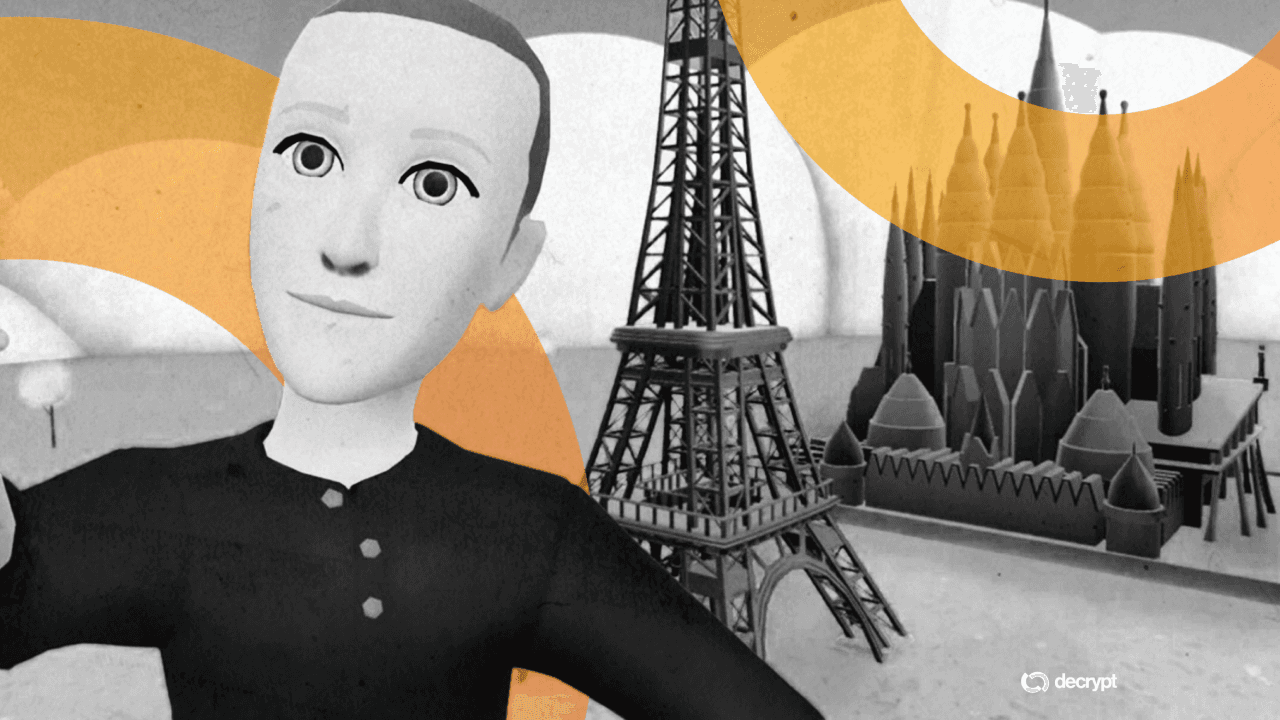
Three years after his notoriously awkward Horizon Worlds avatar became an internet punchline, Mark Zuckerberg is doubling down on avatar technology—except this time, Meta's building something far more sophisticated: a photorealistic AI-generated clone of the Meta CEO himself.
The pivot matters because it signals where Meta sees the next evolution of its metaverse infrastructure heading. After the 2021 rebrand and subsequent backlash over the cartoonish Horizon Worlds avatar (remember those dead eyes?), the company's clearly learned its lesson. Photorealistic avatars aren't just a vanity project—they're a fundamental bet on how virtual commerce, social interaction, and workplace collaboration will operate in web3 and beyond.
Why This Timing?
The crypto and blockchain space has been watching Meta's metaverse moves carefully since the rebrand. While Bitcoin and Ethereum continue dominating institutional crypto portfolios, Meta's been quietly building infrastructure that could reshape how digital assets, NFTs, and virtual real estate get monetized. A photorealistic avatar system—powered by AI—opens entirely new possibilities for portfolio diversification and digital identity authentication within decentralized ecosystems.
This isn't just about making Zuckerberg look better in a virtual meeting. We're talking about technology that could eventually enable traders and investors to operate AI-powered trading agents in virtual market environments, attend conferences as photorealistic representatives, and conduct high-stakes crypto negotiations without geographic friction. The market intelligence here is significant.
The Technical Reality Check
Meta's previous avatar attempt failed partly because the tech wasn't there yet. AI generation has advanced dramatically in just 36 months. We're seeing breakthrough after breakthrough in generative models—technology that now powers everything from crypto market analysis algorithms to advanced trading signals.
The photorealistic clone represents a meaningful engineering achievement. It also demonstrates how machine learning infrastructure that crypto platforms have been developing for portfolio optimization and trading can translate into consumer-facing metaverse experiences. Companies building AI-powered crypto trading platforms have basically pioneered the same underlying tech Meta's now deploying for avatars.
What This Means for Crypto Markets
Here's where our crypto analysis gets interesting: if Meta successfully launches photorealistic avatars at scale, it's infrastructure play that legitimizes virtual economies. That infrastructure could eventually integrate with decentralized platforms, tokenized assets, and blockchain-based governance. Ethereum developers have been building smart contract frameworks for exactly this scenario.
The metaverse narrative peaked in 2021-2022 as a crypto investment thesis, then mostly died. But Meta's serious investment in photorealistic AI avatars suggests the underlying technology is finally maturing enough to matter. That could trigger renewed interest in virtual world tokens and metaverse-adjacent crypto plays.
Alpha Take
Meta's pivot toward photorealistic AI avatars represents serious infrastructure development, not just PR recovery. This technology directly enables new digital commerce and identity frameworks that crypto and blockchain platforms need. If execution sticks this time, we could see renewed metaverse-related trading momentum, particularly in tokens tied to virtual worlds and digital identity verification. Watch for whether Meta integrates decentralized identity standards—that's the real market signal.
Originally reported by
Decrypt
Not financial advice. Crypto investing involves significant risk. Past performance does not guarantee future results. Always do your own research.