
Musk's Strategic Pivot: Tesla Deprioritizes Cybertruck to Chase Robotaxi Dominance
I need to be direct here—we're looking at a significant strategic recalibration from Tesla, and it's worth parsing what this means for the crypto and broader tech ecosystem. The Cybertruck Shuffle Elon Musk is essentially pumping the brakes on Cybertruck production as Tesla redirects engineeri
I need to be direct here—we're looking at a significant strategic recalibration from Tesla, and it's worth parsing what this means for the crypto and broader tech ecosystem.
The Cybertruck Shuffle
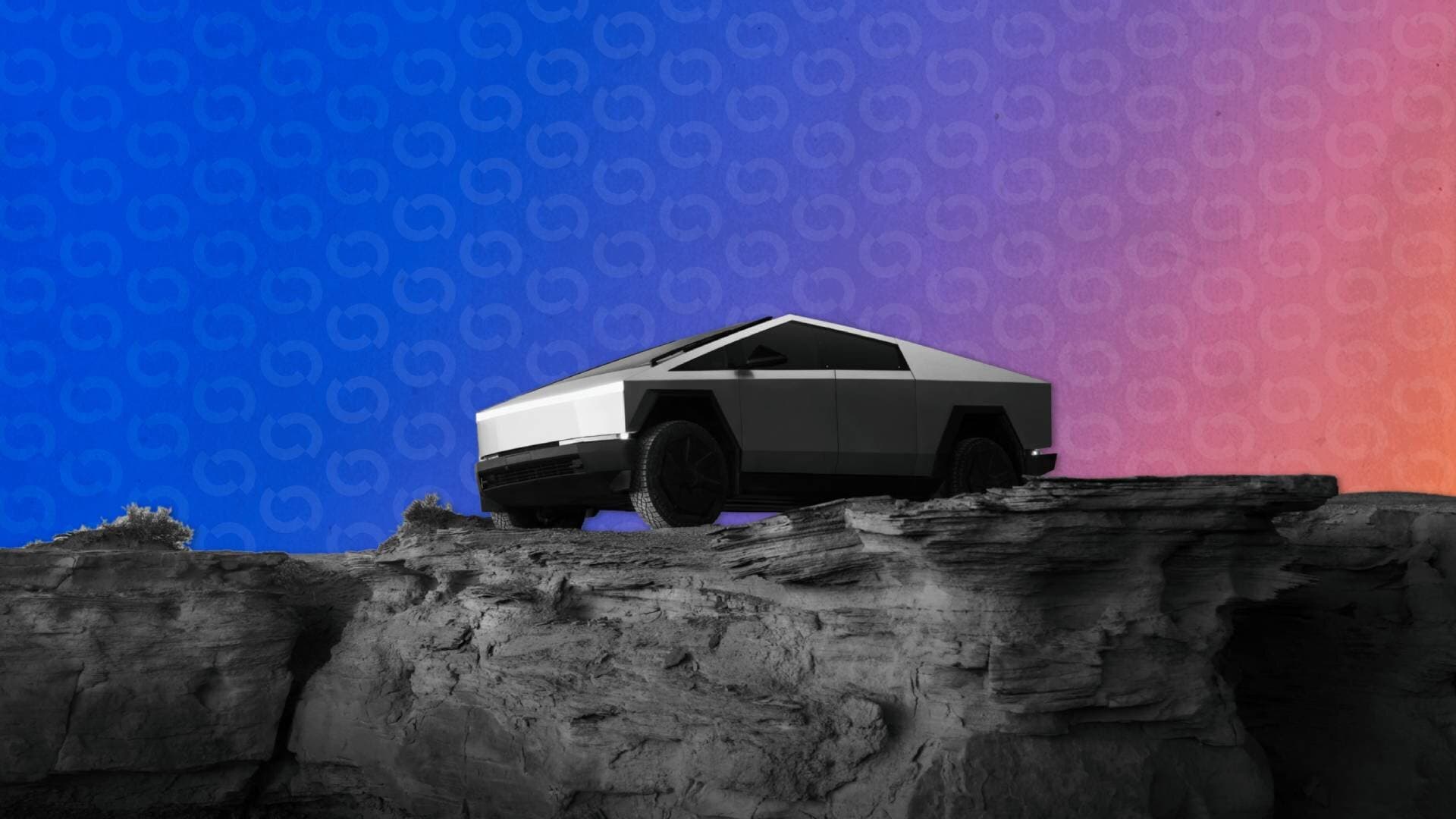
Elon Musk is essentially pumping the brakes on Cybertruck production as Tesla redirects engineering talent and capital toward autonomous vehicle technology and AI development. This isn't a shutdown; it's a deprioritization. The timing matters because it signals Tesla's internal conviction that robotaxis represent a larger addressable market than the futuristic pickup truck that's captured mainstream imagination for years.
The Cybertruck had massive cultural momentum. Pre-orders were stratospheric. But Tesla's production reality versus hype divergence—a familiar pattern—suggests the company is making pragmatic bets about where to deploy finite resources. The pivot speaks volumes about how Musk is thinking about Tesla's future: less hardware-centric, more autonomy-and-AI-centric.
The Robotaxi Thesis
Here's what we're watching: Tesla is betting that autonomous ride-sharing networks will generate higher ROI than selling individual vehicles at premium prices. That's not irrational. If Tesla can solve full self-driving (FSD) at scale, the recurring revenue from robotaxi fleets dwarfs one-time vehicle sales.
The crypto angle? Blockchain infrastructure and decentralized autonomous systems might eventually intersect with how robotaxi networks operate, though we're speculating years out. For now, Tesla's robotaxi push is purely traditional infrastructure play—but portfolio managers tracking mega-cap tech pivots should note this momentum shift.
Market Implications
TSLA's strategic reallocation doesn't exist in a vacuum. Tesla investors need to grapple with execution risk: Can Musk deliver on FSD promises after years of overpromising? The Cybertruck's cultural mindshare doesn't disappear overnight, and disappointed pre-order holders might lose patience.
From a trading intelligence standpoint, this represents Tesla management's calculated assessment that near-term Cybertruck revenue growth is secondary to long-term AI and autonomy positioning. It's a bet on 2026-2027 dominance over 2024-2025 quarterly beats.
Why This Matters for Your Portfolio
For crypto investors cross-allocated into growth tech, Tesla's pivot toward AI reinforces the sector-wide obsession with artificial intelligence infrastructure. Whether it's GPU demand, data centers, or autonomous systems, capital is flowing to intelligence applications, not novelty hardware.
We're also seeing how legacy automakers and tech companies are thinking about the next decade—and it's less about product diversity, more about concentrated bets on transformative technologies. That competitive intensity will shape valuations across automotive, AI, and robotics sectors.
The Cybertruck isn't dead. It's just lower on Tesla's priority ladder. Musk is essentially saying: robotaxis and AI are where the asymmetric upside lives. Whether that conviction proves correct will determine Tesla's valuation trajectory through the next market cycle.
Alpha Take
Tesla's shift away from Cybertruck production toward robotaxi and AI development signals management's conviction that autonomous systems represent larger long-term value than new vehicle categories. Watch execution on FSD capability—missed timelines will crush credibility. For crypto traders monitoring mega-cap tech allocation, this underscores how capital is consolidating around AI infrastructure rather than physical product innovation, a trend worth tracking across your portfolio positioning.
Originally reported by
Decrypt
Not financial advice. Crypto investing involves significant risk. Past performance does not guarantee future results. Always do your own research.