
OpenAI's Energy Cost Pledge Faces Enforcement Gap as AI Power Demands Spiral
OpenAI has made a sweeping commitment to cover the electricity costs of its AI operations, a move that comes after mounting public pressure over the massive energy footprint of large language models. The announcement marks a significant pivot in how the company frames its responsibility to address
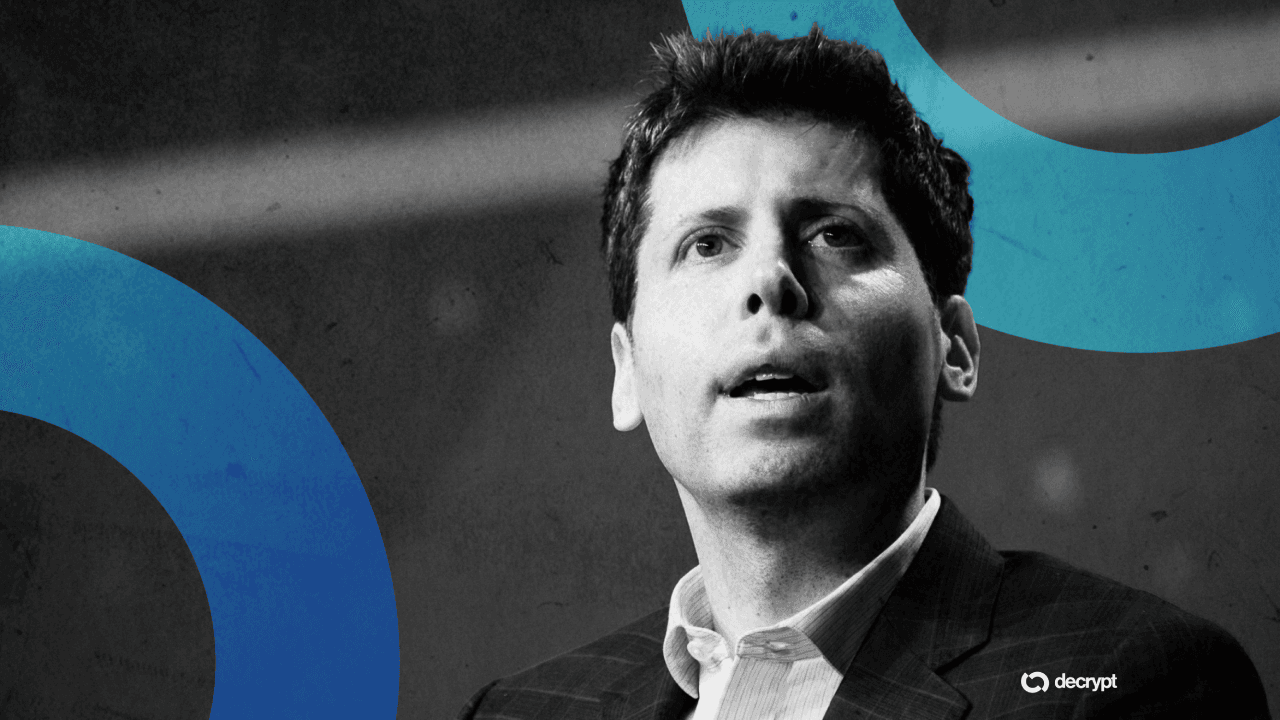
OpenAI has made a sweeping commitment to cover the electricity costs of its AI operations, a move that comes after mounting public pressure over the massive energy footprint of large language models. The announcement marks a significant pivot in how the company frames its responsibility to address climate concerns tied to crypto and AI infrastructure. But here's the catch—enforcement mechanisms remain murky, leaving investors and stakeholders wondering how binding this pledge actually is.
The Power Problem Nobody Wanted to Talk About
The energy consumption of training and running advanced AI models has become impossible to ignore. OpenAI's ChatGPT and other large language models require staggering amounts of electricity, drawing comparisons to the power demands of entire nations. This has triggered a broader conversation about the sustainability of AI infrastructure—one that crypto investors know all too well from debates around proof-of-work blockchain systems.
The company's decision to assume responsibility for these costs signals recognition that the status quo isn't tenable. By volunteering to foot the bill, OpenAI attempts to preempt regulatory action and manage reputational risk. It's a PR play dressed up as corporate responsibility.
What's Actually Being Promised?
OpenAI hasn't released granular details about the scope of its commitment. The pledge appears to cover ongoing operational power costs, but questions linger: Does this include infrastructure buildout? What about Nvidia GPU procurement and cryptocurrency-adjacent cloud computing expenses? The vagueness creates an accountability gap.
Market watchers are already scrutinizing how this affects OpenAI's path to profitability and valuation. If the company is genuinely absorbing all power costs—particularly as AI model complexity increases—that's a material impact on operating expenses. Traders need clarity on whether this is temporary posturing or a structural business model shift.
The Enforcement Vacuum
Here's where the analysis gets sticky. OpenAI's promise lacks third-party verification or regulatory teeth. There's no independent auditor measuring whether the company actually pays what it owes. Unlike carbon credit systems or contractual obligations, this commitment relies entirely on corporate goodwill and public scrutiny.
For crypto traders and portfolio managers tracking AI-infrastructure plays, this matters. If OpenAI can make feel-good pledges without consequence, competitors will follow suit with equally non-binding promises. That distorts investment signals and makes it harder to differentiate between genuine commitments and marketing theater.
The broader ecosystem—including Nvidia, cloud providers, and energy companies benefiting from AI's power demands—has no incentive to demand accountability. In fact, they're profiting handsomely from the status quo.
What Happens Next?
Governments may eventually step in with binding regulations, but that's a slow process. In the meantime, OpenAI gets to control the narrative around AI sustainability while maintaining operational flexibility. If the pledge becomes economically unfeasible, the company can adjust its position with minimal accountability.
Alpha Take
OpenAI's energy cost commitment reads as smart PR rather than genuine structural change. Without enforcement mechanisms, third-party audits, or regulatory oversight, it's a voluntary pledge with no teeth. For portfolio managers tracking AI and crypto infrastructure trades, keep an eye on whether this spreads to other major AI labs—and more importantly, whether any actual compliance mechanisms emerge. The real test isn't what companies promise; it's what they do when nobody's watching.
Originally reported by
Decrypt
Not financial advice. Crypto investing involves significant risk. Past performance does not guarantee future results. Always do your own research.