
OpenAI's Mobile Ambitions: Why a Smartphone Chip Partnership Could Reshape AI Hardware
OpenAI's leadership made headlines just six weeks ago when Sam Altman warned staff to stop pursuing distractions and stay focused on core AI development. Fast forward to today, and the company is reportedly planning to manufacture its own smartphone chip—a move that signals serious hardware ambitio
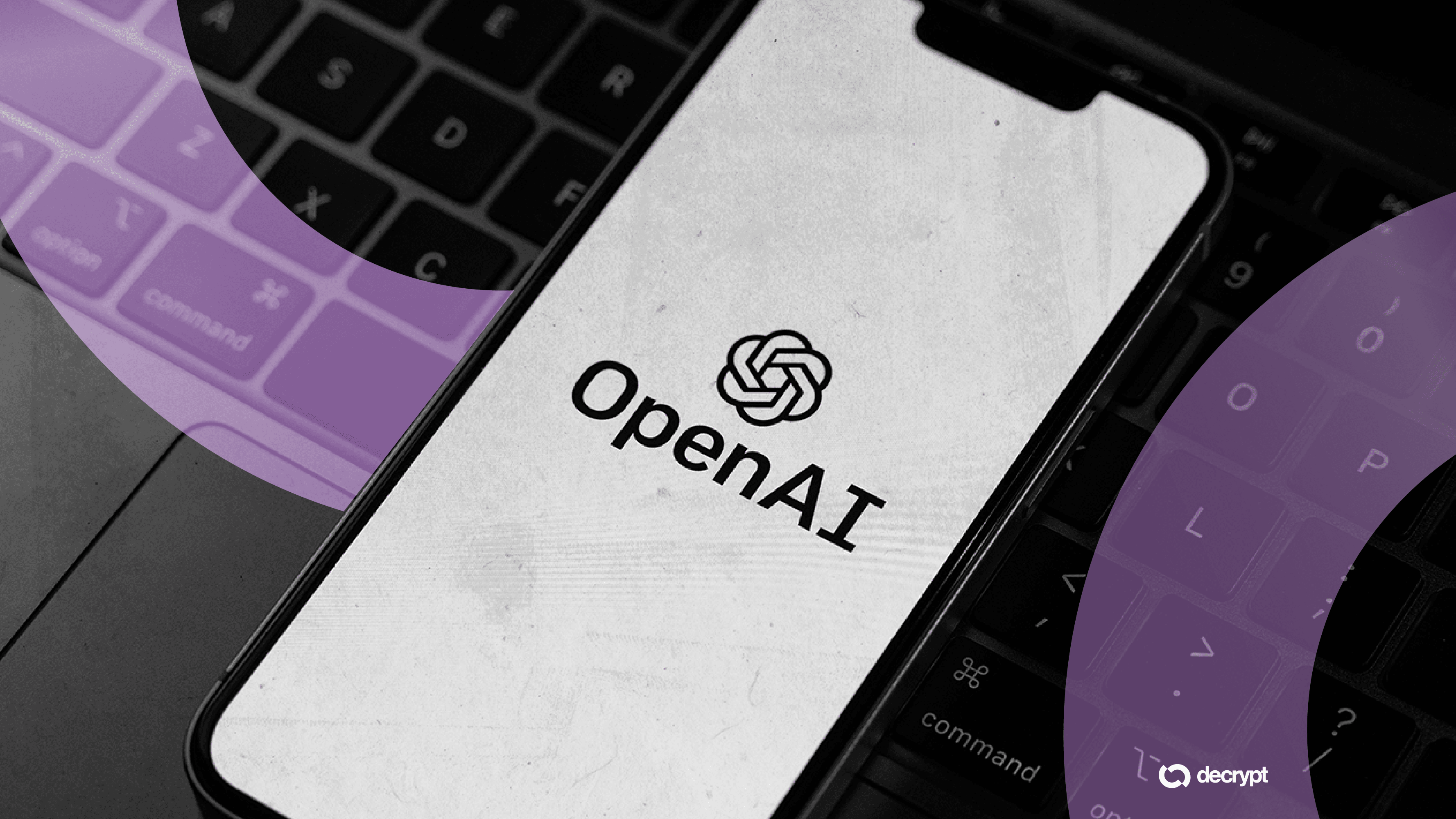
OpenAI's leadership made headlines just six weeks ago when Sam Altman warned staff to stop pursuing distractions and stay focused on core AI development. Fast forward to today, and the company is reportedly planning to manufacture its own smartphone chip—a move that signals serious hardware ambitions despite that recent pivot message.
According to recent reporting, OpenAI is collaborating with chip giants Qualcomm and MediaTek to develop custom silicon for smartphones. The scale here matters: the companies are targeting 400 million units annually, a production volume that would make this one of the largest smartphone chip initiatives globally. For context, that's roughly comparable to total smartphone unit shipments from major manufacturers like Apple or Samsung.
Why This Matters for Crypto and AI Infrastructure
This development has immediate implications for how AI services integrate with mobile devices—and by extension, how cryptocurrency infrastructure could eventually layer onto consumer hardware. The smartphone chip market is dominated by Apple's A-series processors and Qualcomm's Snapdragon lineup, but OpenAI's entry suggests a new paradigm: custom AI silicon optimized specifically for running large language models and AI inference at the edge.
The partnership structure itself is revealing. Qualcomm brings decades of smartphone modem and processing expertise, while MediaTek offers manufacturing scale and cost optimization—critical for hitting 400 million units. OpenAI adds the AI software layer and distribution reach through its ChatGPT user base. This is a power move in the hardware space, and it's happening while the company simultaneously scales its core AI operations.
The timing is particularly interesting. OpenAI issued that internal warning about avoiding distractions roughly six weeks prior to these reports surfacing. Yet a custom smartphone chip doesn't sound like a distraction—it sounds like a strategic bet that mobile devices will become the primary interface for AI. That suggests leadership sees this as complementary to, not competitive with, their core AI mission.
The Broader Hardware Play
This move reflects a broader trend: AI-first companies are increasingly moving into hardware. Custom chips allow companies to optimize performance for their specific algorithms, reduce latency, and maintain better control over the user experience. For OpenAI, a custom mobile chip means ChatGPT and future AI products run more efficiently on consumer phones while generating data and engagement metrics at unprecedented scale.
The 400-million-unit target is ambitious but achievable given smartphone market size. If OpenAI succeeds in capturing even a fraction of that volume, they'd establish a significant footprint in mobile AI infrastructure.
Alpha Take
OpenAI's smartphone chip initiative reveals how AI leaders are moving beyond software into vertically integrated hardware plays. While this seems tangential to crypto, the trend matters for blockchain infrastructure—custom silicon optimized for specific protocols could eventually reshape mining economics and wallet performance. Watch for announcements about software partnerships; OpenAI's distribution reach paired with hardware control creates a powerful platform for integrating new services, potentially including decentralized applications requiring edge computing.
Originally reported by
Decrypt
Not financial advice. Crypto investing involves significant risk. Past performance does not guarantee future results. Always do your own research.