
OpenAI's Radical Push for Global Economic Restructuring as AI Disruption Accelerates
OpenAI isn't just building AI models anymore—it's laying out a full-scale blueprint for how governments and economies need to restructure themselves as artificial intelligence transforms labor markets and tax systems worldwide. The organization released a comprehensive policy proposal that cuts ri
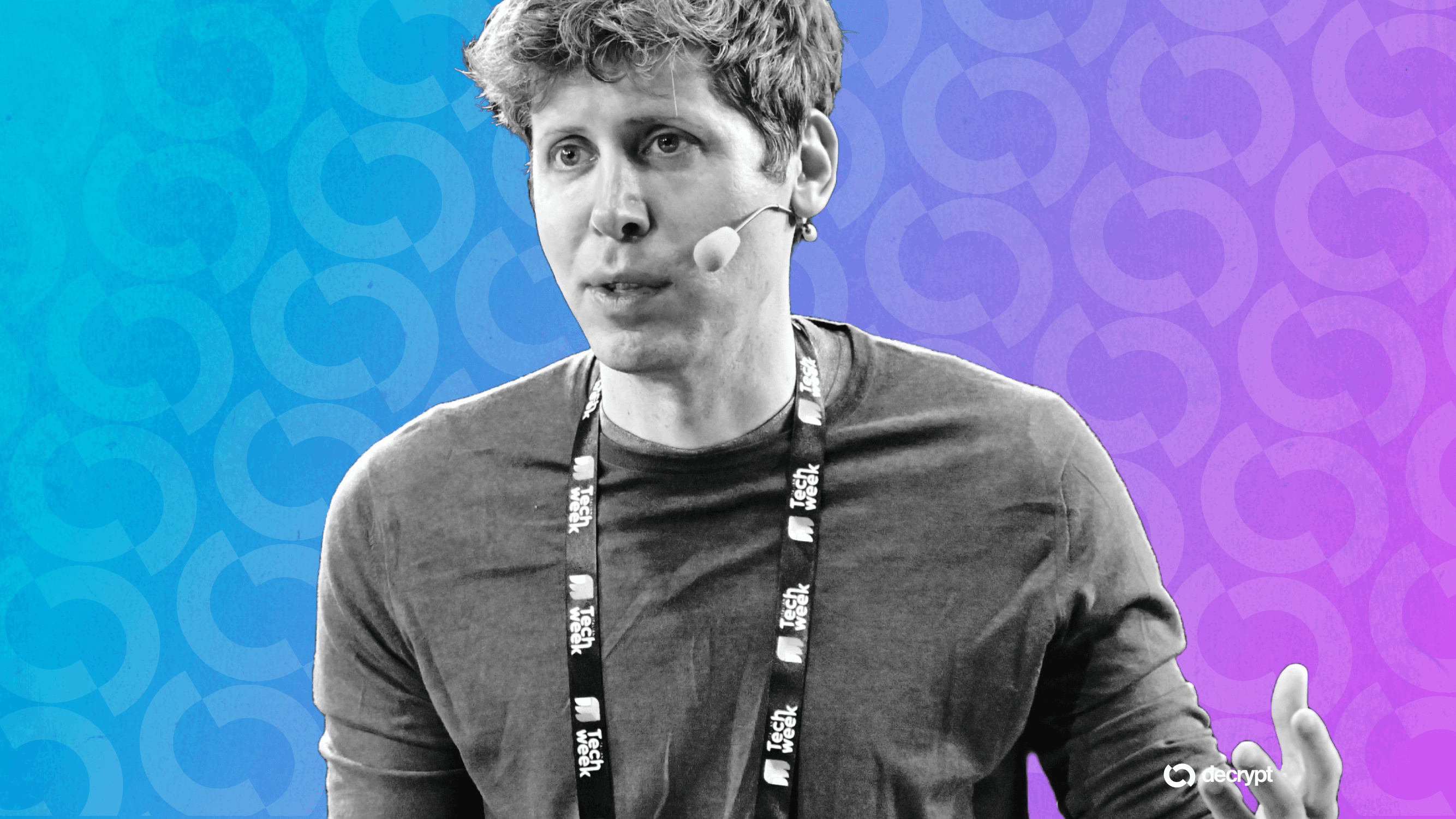
OpenAI isn't just building AI models anymore—it's laying out a full-scale blueprint for how governments and economies need to restructure themselves as artificial intelligence transforms labor markets and tax systems worldwide.
The organization released a comprehensive policy proposal that cuts right to the heart of a problem crypto traders and investors already understand: massive technological disruption requires equally massive systemic changes. OpenAI is calling for a fundamental rethinking of taxation and labor policy on a global scale, positioning itself as more than a tech company—as an architect of the post-AI economy.
The Core Proposal
OpenAI's framework addresses what we're seeing across markets: AI will displace significant portions of the workforce, create massive wealth concentration, and require entirely new approaches to how governments fund social safety nets. The proposal suggests progressive taxation structures designed specifically for the AI era, coupled with labor policies that acknowledge the reality of widespread automation.
This isn't theoretical discussion anymore. The crypto analysis community has watched for years as centralized systems struggle to adapt to technological change. OpenAI is essentially arguing that governments face the same challenge we've seen in traditional finance—legacy systems break when disrupted technology scales faster than policy can adapt.
Questions on Timing and Motivation
Here's where things get interesting: the timing of this push has raised eyebrows about OpenAI CEO Sam Altman's broader agenda. The proposal comes as OpenAI expands its influence across policy circles, raising questions about whether this represents genuine thought leadership or strategic positioning for the company's regulatory footprint.
For portfolio managers tracking AI exposure and broader market intelligence, this matters. When major tech platforms start actively reshaping policy frameworks, it's worth noting whether they're solving genuine problems or engineering favorable regulatory conditions. The distinction shapes long-term trading dynamics across multiple sectors.
Market Implications
The proposal touches on wealth redistribution mechanisms and labor retraining programs that would require massive government spending. This has direct implications for inflation, interest rates, and macro trading strategies. If governments actually implement structures resembling OpenAI's suggestions, we're looking at:
- •New tax frameworks that could affect tech company profitability
- •Government spending increases that influence debt markets
- •Labor market shifts that ripple across sectors from manufacturing to services
- •Potential cryptocurrency adoption if traditional monetary systems face pressure from redistribution
The bitcoin and ethereum ecosystems have already been positioned as alternatives to centralized monetary policy. If OpenAI's vision gains traction and governments implement sweeping redistribution programs, we could see accelerated institutional adoption of crypto as a hedge against policy risk.
Alpha Take
OpenAI's policy blueprint reveals how AI's economic disruption is forcing systemic rethinking at the highest levels. For crypto traders, this validates a core thesis: when centralized systems face existential pressure from technological change, alternative monetary systems become more attractive. Watch how policymakers respond over the next 12-24 months—adoption of OpenAI's framework (or rejection of it) will significantly shape where institutional capital flows in both traditional markets and digital assets. This isn't just tech news; it's macro market infrastructure shifting beneath our feet.
Originally reported by
Decrypt
Not financial advice. Crypto investing involves significant risk. Past performance does not guarantee future results. Always do your own research.