
PlayStation's Physical Media Retreat Sparks Ownership Backlash—Founder Dismisses Concerns
Ken Kutaragi, the visionary behind PlayStation's launch, has downplayed growing frustration over Sony's pivot away from physical disc production—a move that's reshaping how gamers think about owning their libraries. The PlayStation founder's dismissal comes as the company accelerates its shift tow
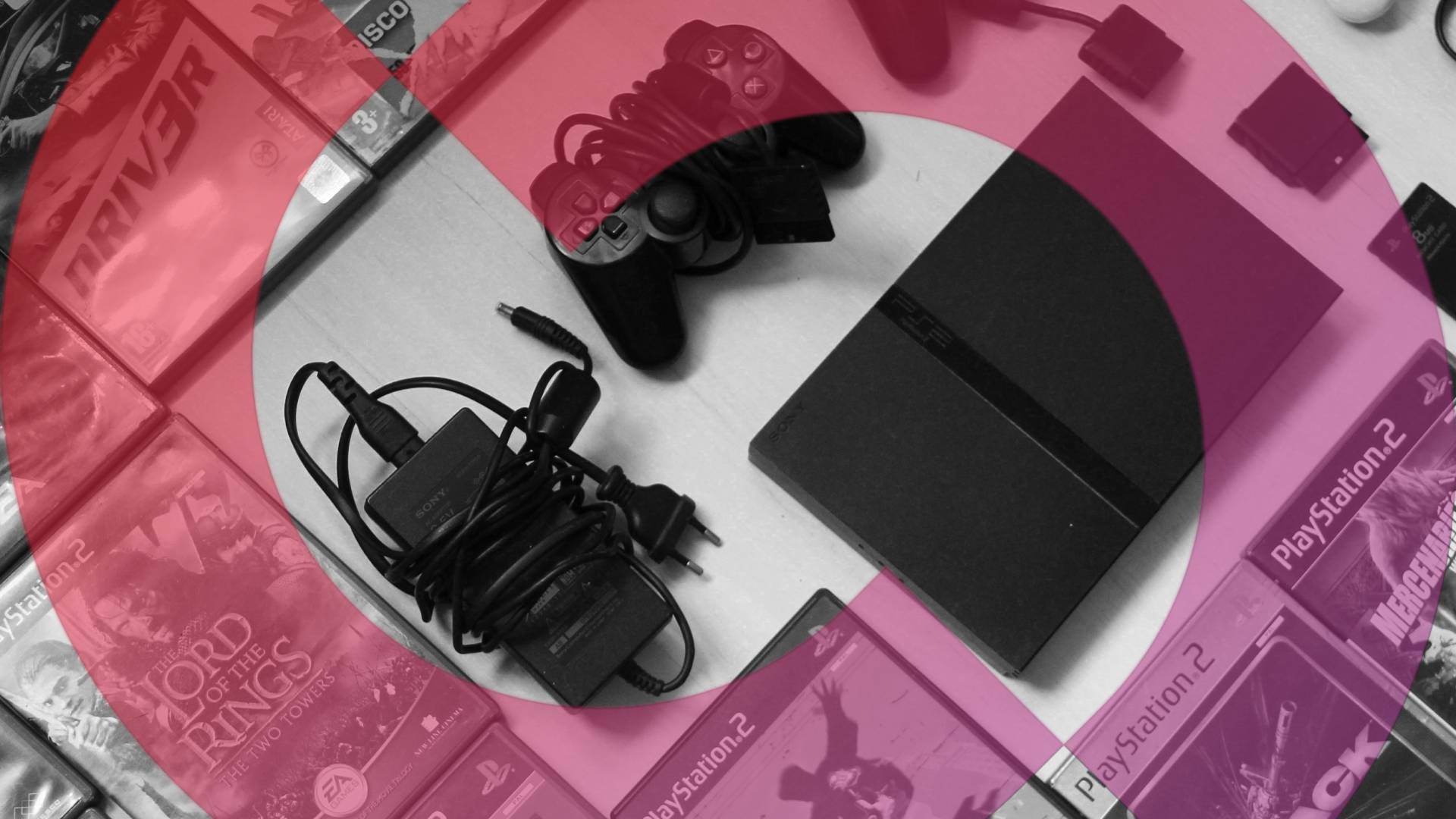
Ken Kutaragi, the visionary behind PlayStation's launch, has downplayed growing frustration over Sony's pivot away from physical disc production—a move that's reshaping how gamers think about owning their libraries.
The PlayStation founder's dismissal comes as the company accelerates its shift toward digital-only distribution. When pressed on the backlash from players who've invested heavily in physical game collections, Kutaragi characterized the resistance as fundamentally a "mentality issue" rather than a legitimate market concern.
The Ownership Question
What Kutaragi glosses over is a real tension in modern gaming. Consumers who purchased disc-based PlayStation systems built physical libraries they assumed they owned outright. That ownership model is dissolving as Sony pushes players toward licensing digital content instead—a distinction with massive implications for long-term access and resale rights.
The backlash isn't frivolous nostalgia. Gamers have legitimate concerns about what happens when servers shut down, licensing agreements expire, or digital storefronts close. Physical discs represent genuine ownership; digital licenses represent temporary access at corporate discretion.
Market Reality vs. Founder's Framing
Kutaragi's characterization misses why this matters for portfolio investors tracking the gaming sector. The shift from disc sales to digital distribution represents a fundamental business model change—one that increases recurring revenue but threatens customer retention when handled poorly.
Sony's decision to stop disc production creates a hard deadline for players clinging to physical media. Once existing inventory depletes, there's no going back. The company is essentially forcing a migration to its preferred monetization structure, whether customers appreciate it or not.
The Bigger Crypto Parallel
This tussle between ownership and access mirrors conversations happening across blockchain and crypto markets. When investors discuss true asset ownership versus custodial holdings, they're grappling with the same principle. Players arguing for disc ownership rights are essentially making a crypto-adjacent argument: the ability to hold, transfer, or resell what you've purchased without intermediary interference.
The irony? Blockchain technology could theoretically solve this exact problem—creating verifiable digital ownership with real resale markets. Yet major publishers like Sony remain skeptical of decentralized gaming economies.
What's Actually Shifting
Sony's disc death announcement signals confidence that digital is now the dominant distribution channel. From a business intelligence perspective, this makes sense: digital removes physical supply chains, enables price discrimination, and locks players into their ecosystem. It's efficient capital allocation.
But it's not a "mentality issue." It's a direct conflict between what consumers thought they were buying and what publishers are now telling them they actually own. That's a governance problem, not a consumer psychology problem.
The reality: PlayStation's future is subscriptions, live service games, and digital-only releases. Physical media's sunset is inevitable. What Kutaragi frames as outdated thinking is actually consumers defending ownership rights in an era where corporations increasingly prefer the rental model.
Alpha Take
Sony's pivot from physical to digital reflects the broader creator economy shift toward subscription and licensing models—prioritizing recurring revenue over transaction sales. For crypto investors, this demonstrates why blockchain-based gaming could capture market share if executed properly: players increasingly demand true asset ownership and secondary market rights that traditional platforms won't provide. Watch how GameFi projects position themselves as alternatives offering genuine ownership semantics that Web2 gaming now denies.
Originally reported by
Decrypt
Not financial advice. Crypto investing involves significant risk. Past performance does not guarantee future results. Always do your own research.