
Political Turmoil in Paraguay Could Reshape Latin American Crypto Adoption Push
Paraguay's banking crisis is escalating into a full constitutional showdown, and the crypto community should be watching closely. As lawmakers prepare for an impeachment vote, the country's financial system remains locked in a standoff that mirrors the exact instability that drives institutional ad
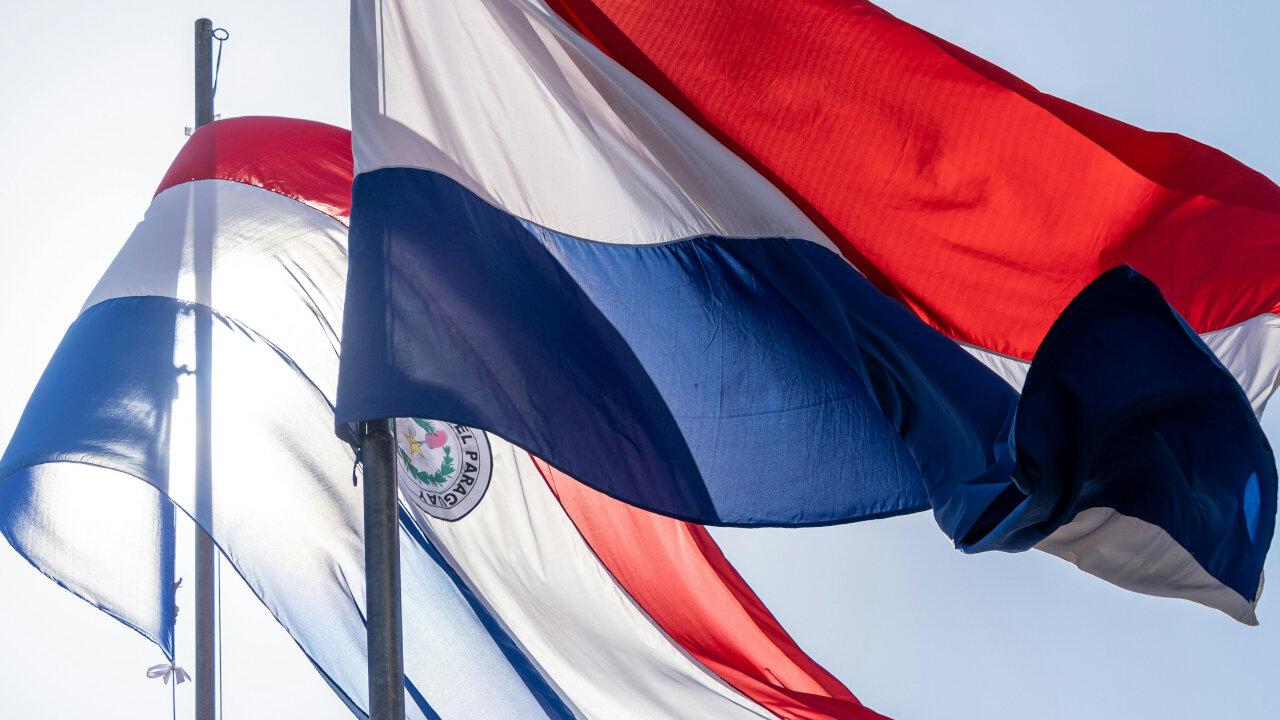
Paraguay's banking crisis is escalating into a full constitutional showdown, and the crypto community should be watching closely. As lawmakers prepare for an impeachment vote, the country's financial system remains locked in a standoff that mirrors the exact instability that drives institutional adoption of crypto and blockchain solutions.
The Banking Lockout That Started It All
The situation began simply enough: a dispute over central bank governance that spiraled into a complete financial sector freeze. Banks across Paraguay have essentially locked out customers and blocked transactions, creating a banking blackout that's lasted weeks. Citizens can't access their own money. Businesses can't process payments. It's the kind of systemic failure that crypto advocates have long warned about—and now it's happening in real time in a G20 neighboring country.
Impeachment Vote Sets Political Deadline
Congress is moving toward an impeachment vote that could remove key figures from power, but the timing couldn't be worse for economic stability. Political actors are using the banking crisis as leverage, and meanwhile, ordinary Paraguayans are caught in the middle without access to traditional financial infrastructure.
This is textbook "why we need decentralized finance" territory. When traditional banking systems fail due to political dysfunction, crypto trading and peer-to-peer transactions become viable alternatives—not ideological preferences, but practical necessities.
Broader Implications for Latin American Crypto Market Intelligence
Paraguay has been quietly positioning itself as a potential crypto hub in South America. El Salvador's bitcoin adoption strategy grabbed headlines, but Paraguay's energy abundance and proximity to Brazil make it strategically important for the broader crypto ecosystem. A political crisis that destabilizes the traditional financial system could either accelerate crypto adoption out of necessity, or delay it if institutional confidence collapses entirely.
The timing is particularly interesting given recent bitcoin and ethereum market movements. Portfolio managers are watching emerging markets volatility closely, and Paraguay's situation is becoming a case study in how political risk drives crypto adoption cycles.
What's at Stake
The bank lockout affects millions of Paraguayans directly. Small businesses can't access working capital. Remittance corridors—critical for many developing economies—face disruption. This creates immediate demand for alternative payment systems and crypto-based solutions that don't depend on traditional banking infrastructure.
For international investors managing exposure to Latin American markets, this is a wake-up call about systemic risk. The crisis also highlights why institutional-grade market intelligence and real-time crypto analysis matter: when traditional financial systems break down, alternative assets become essential components of any portfolio.
Alpha Take
Paraguay's banking crisis isn't just political theater—it's a stress test for how quickly crypto adoption accelerates when traditional systems fail. We're tracking whether this drives meaningful institutional interest in bitcoin and ethereum as reserve assets in the region. Watch for any policy responses from neighboring countries and the broader Latin American crypto adoption trajectory over the next 60 days. This situation could reshape institutional attitudes toward decentralized finance in emerging markets.
Originally reported by
Decrypt
Not financial advice. Crypto investing involves significant risk. Past performance does not guarantee future results. Always do your own research.