
Prediction Markets Crashed on Brazil's Election—Here's Why Traders Got It So Wrong
Brazil's prediction markets became a cautionary tale in crypto market intelligence this week. When the country banned prediction market platforms ahead of its election, the odds suddenly shifted into the hands of traders operating with fragmented information and minimal expertise—a perfect storm fo
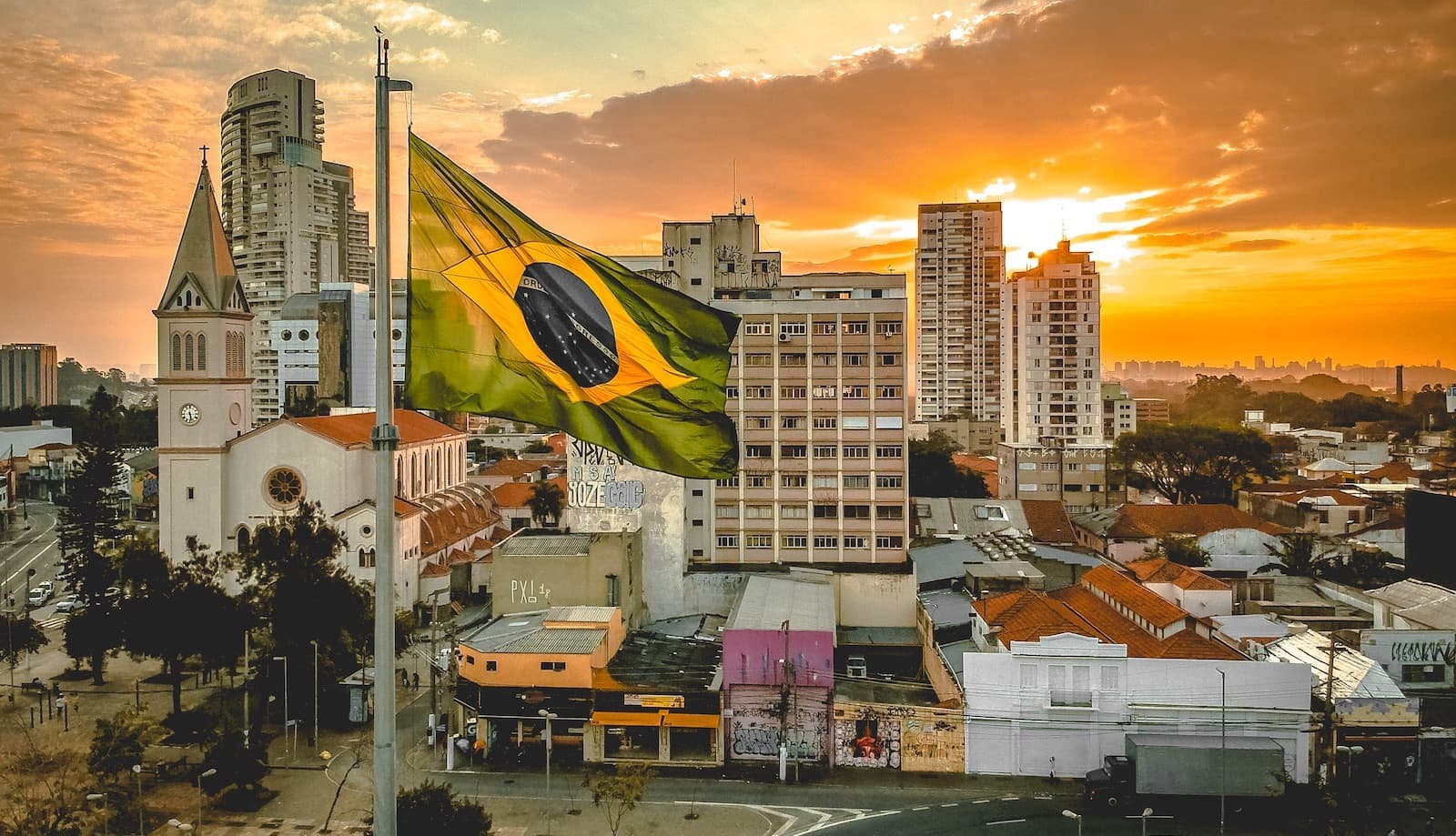
Brazil's prediction markets became a cautionary tale in crypto market intelligence this week. When the country banned prediction market platforms ahead of its election, the odds suddenly shifted into the hands of traders operating with fragmented information and minimal expertise—a perfect storm for mispricing assets tied to political outcomes.
The ban essentially created an information vacuum. Legitimate prediction market platforms that aggregate data from informed participants got shut down, leaving only decentralized alternatives and offshore venues. What we saw was a textbook case of illiquid, thin markets producing wildly inaccurate signals—exactly what happens when you remove professional market-making infrastructure.
"The prediction markets were heavily favoring one outcome, but that didn't align with what actually happened," analysts noted. This disconnect between market pricing and reality reveals a critical flaw in relying on speculative crypto markets for genuine intelligence when regulatory intervention fragments liquidity.
The Intelligence Gap
Here's where it gets interesting for portfolio managers and traders: prediction markets work best when they aggregate diverse, informed opinions. Take away the institutional players and sophisticated participants, and you're left with retail speculation masquerading as probabilistic forecasting. Brazil's situation proved this empirically.
The ban didn't kill the market—it just moved it underground and onto decentralized platforms where position sizing is smaller, spreads are wider, and participants often lack regional expertise. A trader in Singapore betting on Brazilian politics through a decentralized protocol isn't the same as someone embedded in local market dynamics making informed decisions.
What This Means for Crypto Market Intelligence
For those using blockchain-based prediction markets as trading signals, this is a red flag. The efficiency of any prediction market depends on:
- •Information access: Restricted in Brazil's case
- •Participant expertise: Diluted when pros exit
- •Liquidity depth: Evaporated with the ban
- •Regulatory clarity: Eliminated overnight
The Brazilian election outcome serves as live data on market microstructure. When governments intervene in crypto-native markets, they don't eliminate the market—they just ensure that whatever price emerges reflects less reliable information.
Lessons for Trading
This matters because prediction markets are increasingly used as alternative data sources by crypto traders and traditional investors alike. Ethereum-based prediction protocols and decentralized betting platforms are being positioned as superior price discovery mechanisms. Brazil's situation suggests otherwise—when you remove the professional arbitrageurs and informed participants, you get worse prices, not better ones.
The traders left standing after the ban had less knowledge about Brazilian politics, less capital to deploy, and less incentive to be precise. That's a recipe for mispricings, which we saw play out in real time.
Alpha Take
Prediction markets are only as smart as the people participating in them. When regulatory action fragments a market, it doesn't create opportunity—it creates noise masquerading as signal. For traders using crypto-based prediction platforms as market intelligence, this Brazilian case is essential context: thin liquidity + amateur participation = unreliable forecasting. Always check who's actually trading on the other side.
Originally reported by
Decrypt
Not financial advice. Crypto investing involves significant risk. Past performance does not guarantee future results. Always do your own research.