
Quantum Computing's Silent Threat: Why Bitcoin Wallet Security Faces an Uphill Battle
The quantum computing revolution is coming—and it's putting serious pressure on the infrastructure that secures our crypto assets. We're watching wallet makers grapple with a thorny problem: retrofitting quantum-resistant security into systems that were never designed for post-quantum threats.
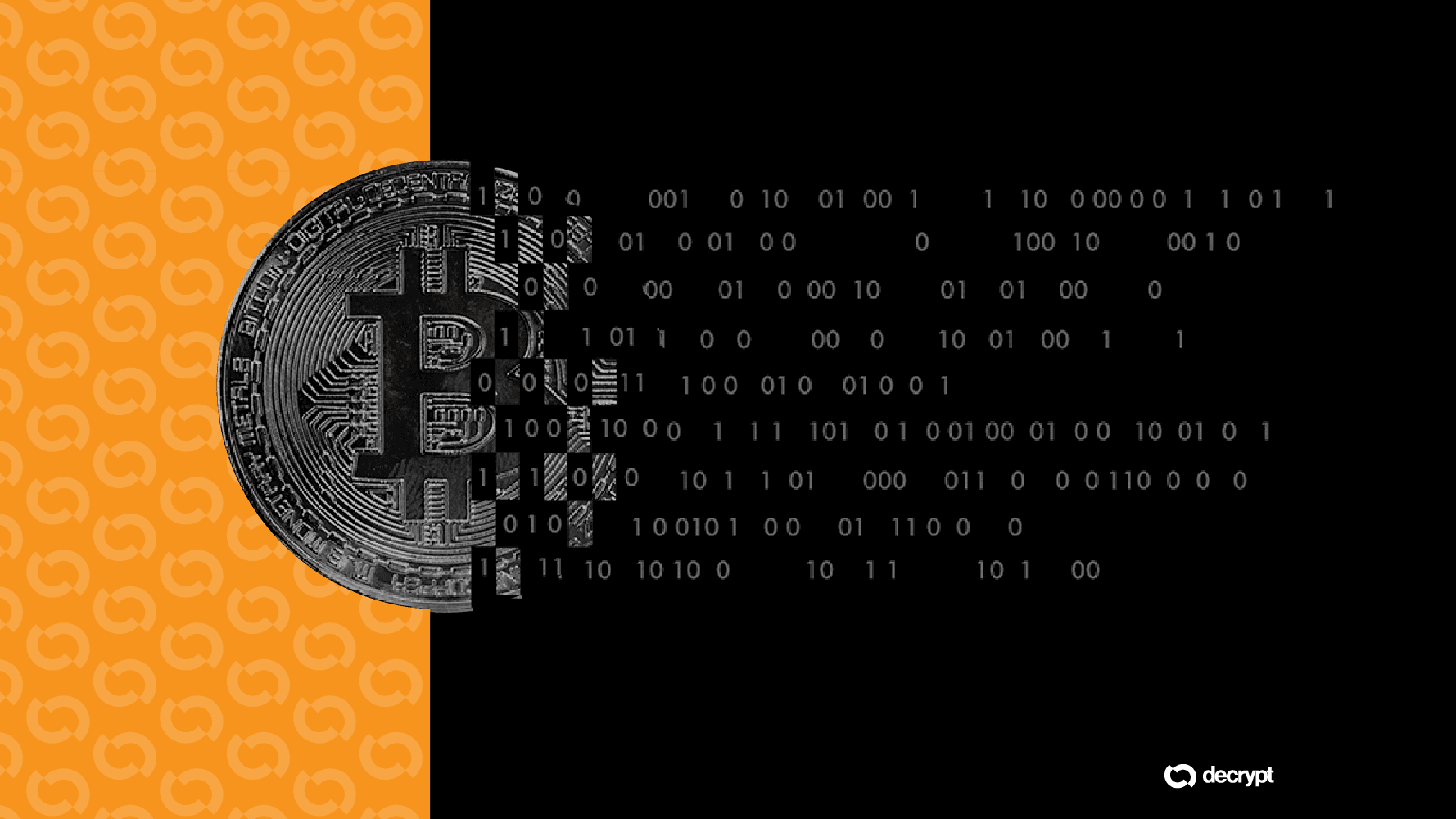
The quantum computing revolution is coming—and it's putting serious pressure on the infrastructure that secures our crypto assets. We're watching wallet makers grapple with a thorny problem: retrofitting quantum-resistant security into systems that were never designed for post-quantum threats.
The Core Challenge
Here's the reality: most Bitcoin wallets today rely on elliptic curve cryptography (ECC), which works brilliantly against classical computers but crumbles against quantum attacks. A sufficiently powerful quantum computer could theoretically derive private keys from public addresses, effectively unlocking every wallet and draining billions in crypto holdings.
The timeline adds urgency to this crypto analysis. While full-scale quantum computers capable of breaking ECC remain years away, the threat isn't hypothetical. Security researchers and institutional investors are already pricing in the risk, forcing wallet developers to act now rather than wait for the quantum breakthrough moment.
Implementation Complexity
The path to quantum resistance isn't straightforward. Wallet makers face a brutal tradeoff between security and practicality. Quantum-resistant algorithms exist—lattice-based cryptography, hash-based signatures, and multivariate polynomial systems among them—but they're computationally heavier and require larger key sizes than current standards.
This creates downstream problems across the entire ecosystem. Blockchain scalability takes a hit. Transaction sizes balloon. Verification speeds slow. For a technology already battling speed and efficiency concerns, adding quantum-resistant cryptography feels like carrying dead weight.
The Bitcoin Community Debate
Within the Bitcoin trading and development community, there's disagreement about the urgency. Some argue we should migrate to quantum-resistant protocols immediately. Others contend that bitcoin's network effects and distributed architecture provide natural protection—even if individual wallets fall, the broader blockchain remains intact.
This portfolio consideration matters. Institutional investors holding significant bitcoin positions are rightfully concerned about long-term security. But rushing into untested quantum-resistant solutions carries its own risks: new cryptographic approaches could harbor unforeseen vulnerabilities.
Market Intelligence Reality Check
The wallet industry is moving cautiously but deliberately. Some providers are experimenting with hybrid approaches—layering quantum-resistant algorithms alongside existing ECC protection. Others are building infrastructure for eventual migration without forcing immediate adoption. It's a measured crypto intelligence approach: prepare the tools before the threat fully materializes.
Hardware wallet manufacturers face particular pressure. Their devices operate on limited computing resources, making quantum-resistant implementations especially challenging. The engineering burden falls heaviest on those serving serious traders and long-term bitcoin holders.
What's at Stake
We're talking about potentially trillions in crypto assets that could theoretically become vulnerable. That concentrates minds wonderfully. Major crypto exchanges and institutional custodians are taking this seriously, funding research and development into quantum-resistant infrastructure.
The market intelligence here is clear: quantum resistance isn't a theoretical exercise anymore. It's becoming a competitive differentiator for wallet makers and exchange operators.
Alpha Take
Bitcoin's quantum vulnerability is real but not imminent—the window to upgrade exists, but it's closing. Wallet makers that implement quantum-resistant architecture early will capture institutional trust and market share. For your portfolio: monitor which exchange and wallet providers are actively moving toward post-quantum cryptography. This arms race will define custody security for the next decade of crypto trading.
Originally reported by
Decrypt
Not financial advice. Crypto investing involves significant risk. Past performance does not guarantee future results. Always do your own research.