
Regulators Open Door to Stock Perpetual Futures, Bringing Crypto's Most Speculative Instrument to Wall Street
The CFTC just greenlit perpetual futures on individual stocks for registered U. S.
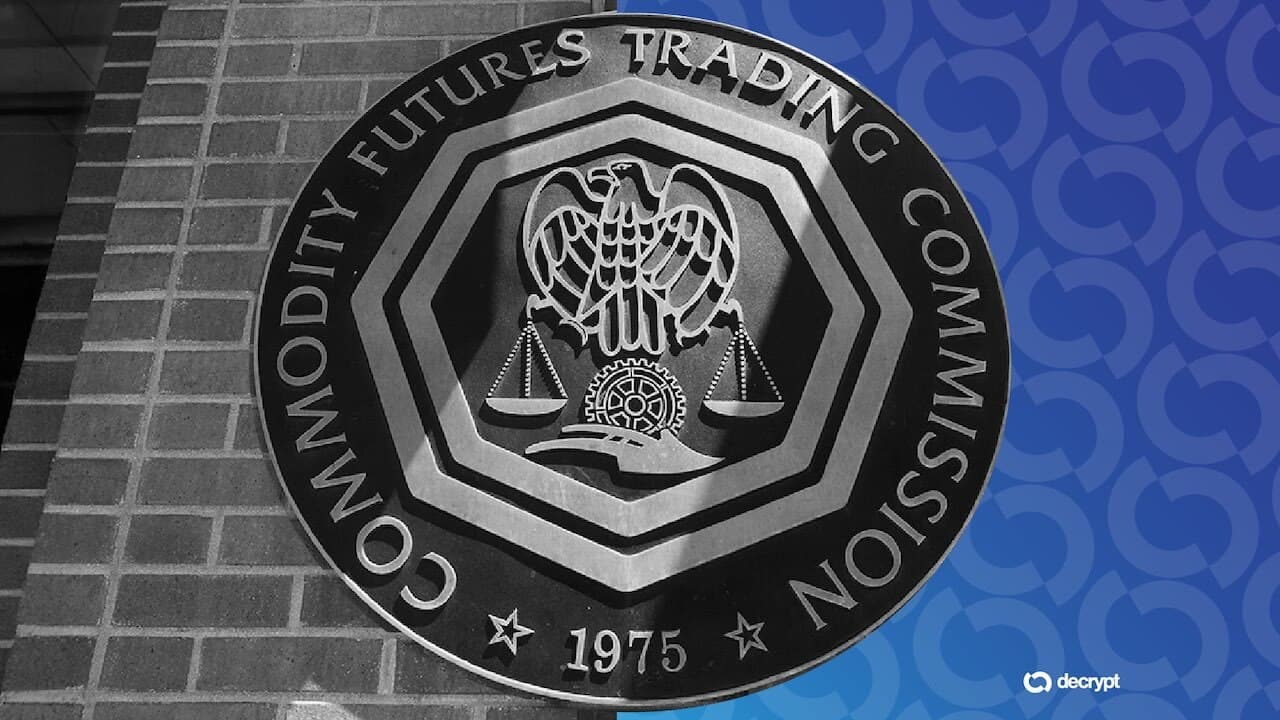
The CFTC just greenlit perpetual futures on individual stocks for registered U.S. exchanges—a significant regulatory shift that brings crypto's most leveraged, expiration-free trading vehicles into traditional equities markets for the first time.
This move marks a watershed moment for how traders can speculate on stock price movements. Until now, perpetual futures—those never-expiring, high-leverage contracts that have become synonymous with crypto trading—were confined almost entirely to digital asset exchanges. Now they're coming to regulated U.S. equity markets, fundamentally changing the options available to sophisticated traders.
The CFTC's "Onshoring" Strategy
CFTC Chairman Michael Selig positioned this approval as part of a broader regulatory philosophy: bringing perpetual products under U.S. oversight rather than letting traders chase them offshore. The agency's framing is strategic—by permitting perpetuals on registered exchanges, they're attempting to capture trading volume that might otherwise migrate to unregulated platforms operating beyond U.S. jurisdiction.
This strategy built momentum from the CFTC's earlier Bitcoin perpetual futures approval for Kalshi, a registered exchange. That decision essentially paved the regulatory pathway for what's now happening with individual stocks. Each approval makes the next one incrementally easier to justify.
Dual Regulatory Framework
What's crucial here: these stock perpetual futures don't operate under CFTC authority alone. The March memorandum of understanding between the CFTC and SEC creates joint oversight of these instruments. This matters because stocks historically fall under SEC jurisdiction, while futures contracts are the CFTC's domain. By allowing perpetuals on registered exchanges, regulators essentially created a hybrid framework splitting authority between both agencies.
The implication? Exchanges offering these products must satisfy compliance requirements from both watchdogs—a higher bar than either agency acting independently.
What This Means for Traders
Stock perpetual futures inherit crypto's defining characteristics: traders can use leverage (borrow to amplify position size), never face contract expiration (no forced settlement dates), and benefit from funding rates that periodically reset prices to spot market levels. On the surface, this democratizes access to sophisticated derivatives products.
But it also brings the inherent risks of perpetual instruments into equity markets. Leverage amplifies gains and losses. Liquidation cascades—where rapid price movements trigger forced position closures—become possible. Retail traders unfamiliar with leverage mechanics could face significant drawdowns.
The Bigger Picture
This regulatory green light signals something important about how Washington now views crypto-native trading structures. Rather than outright prohibition, regulators are increasingly choosing integration under supervision. Perpetuals aren't going anywhere—they're too popular in crypto markets. By allowing them on regulated U.S. exchanges, the CFTC and SEC are essentially saying: if you can't beat them, regulate them.
Alpha Take
This approval represents regulators prioritizing onshoring over prohibition—a philosophical shift that could accelerate further crypto-to-traditional-finance integration. For portfolio managers, stock perpetual futures introduce new hedging and speculative tools, but the leverage risk warrants careful position sizing. Watch how SEC-CFTC coordination evolves; it could reshape crypto derivatives regulation broadly.
Originally reported by
Decrypt
Not financial advice. Crypto investing involves significant risk. Past performance does not guarantee future results. Always do your own research.