
Russia Locks In Crypto Trading Framework: New Regulations Go Live Mid-November
Russia has officially finalized its crypto trading regulations, setting November 17 as the launch date for the country's new framework. This marks a significant shift in how digital assets will be regulated and traded within Russian borders, establishing clearer rules for market participants after
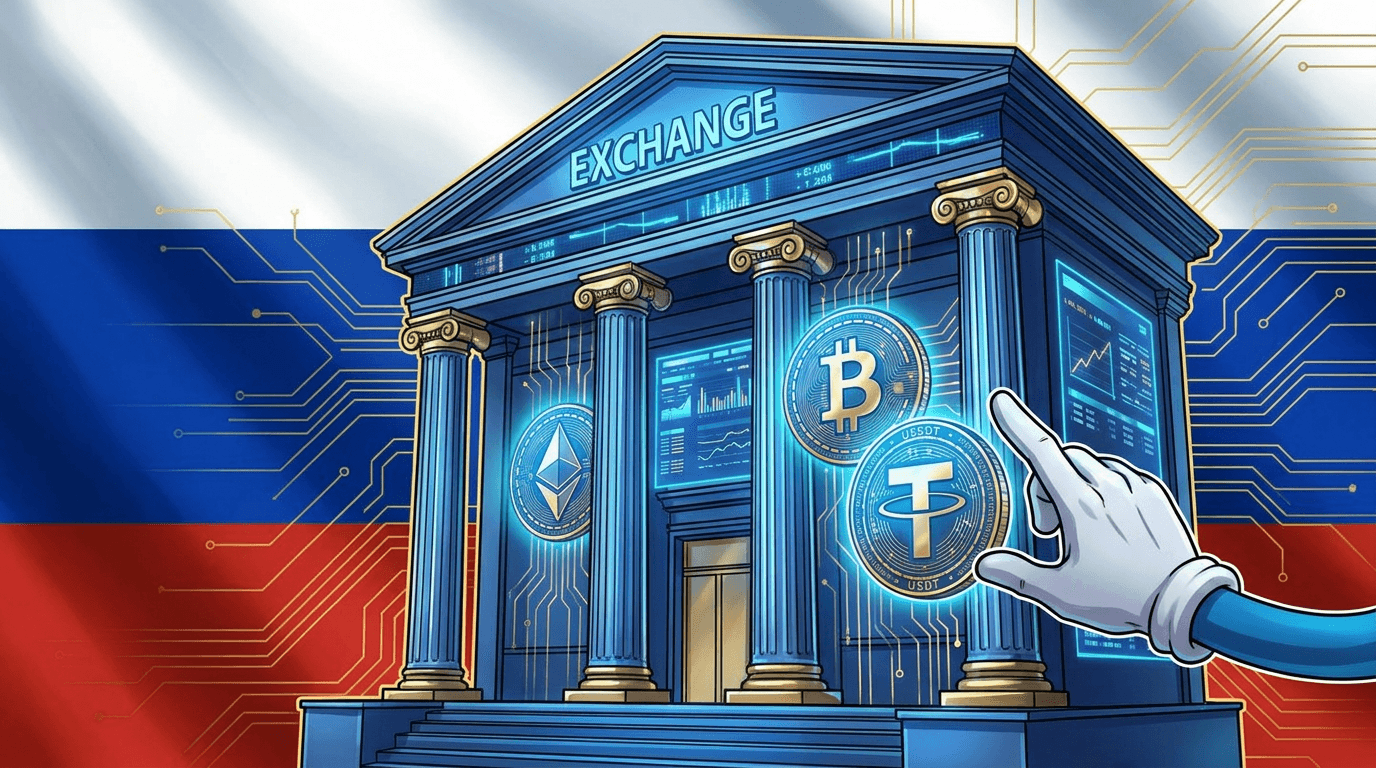
Russia has officially finalized its crypto trading regulations, setting November 17 as the launch date for the country's new framework. This marks a significant shift in how digital assets will be regulated and traded within Russian borders, establishing clearer rules for market participants after years of regulatory ambiguity.
The finalized rules represent Moscow's attempt to bring structure to a previously murky crypto landscape. Rather than outright bans, Russian authorities have chosen to create a regulated trading environment that will operate under specific compliance requirements. This approach signals a broader acceptance of cryptocurrency as a legitimate asset class, though within tightly controlled parameters.
What the Framework Covers
The new regulations establish licensing requirements for crypto trading platforms operating in Russia. Exchanges and brokers will need to meet specific capital requirements and operational standards to legally facilitate crypto transactions. Authorized platforms must implement robust know-your-customer (KYC) and anti-money laundering (AML) protocols—standard compliance measures across regulated markets.
Market participants will face transaction reporting obligations, meaning all trades will be recorded and potentially subject to regulatory review. This creates a paper trail that Russian regulators can monitor for suspicious activity. The framework also designates which digital assets can be traded on authorized platforms, effectively creating a whitelist system.
Retail traders and institutional investors alike will need to navigate these new requirements. For those already operating in gray-market conditions, the transition could mean either regulatory legitimacy or forced exit, depending on their willingness to comply.
Timing and Implementation
The November 17 rollout gives market participants roughly two weeks to prepare for compliance. This relatively tight timeline suggests Russian authorities want swift implementation rather than a phased approach. Exchanges and traders have been bracing for this announcement, and many have already begun adjusting their operations to meet anticipated requirements.
Early adoption by established platforms could provide competitive advantages, as compliant operators will gain regulatory sanction while non-compliant venues face potential shutdown or penalties.
Market Implications for Crypto
Russia's move follows global regulatory trends toward greater oversight of cryptocurrency markets. The EU's Markets in Crypto Regulation (MiCA), similar frameworks in Singapore, and the SEC's evolving stance in the US all point toward a world where crypto operates within regulatory boundaries rather than outside them.
For the crypto analysis community, Russia's formalization is significant because it removes one major question mark around a major geopolitical economy. Bitcoin, ethereum, and other major cryptocurrencies will now have a defined legal status in Russia—not banned, but regulated.
The decision could influence how other emerging markets approach crypto regulation. If Russia's framework proves effective at balancing innovation with consumer protection, other nations might adopt similar models.
Alpha Take
Russia's finalized crypto trading rules represent regulatory maturation rather than adoption. The framework creates legitimate pathways for trading while cementing state oversight—expect compliant platforms to thrive while non-compliant operators face pressure. Watch for how this affects crypto liquidity in Eastern European markets and whether other BRICS nations follow suit with similar frameworks.
Originally reported by
CoinTelegraph
Not financial advice. Crypto investing involves significant risk. Past performance does not guarantee future results. Always do your own research.