
Russia's Moscow Exchange Set to Offer Bitcoin, Ethereum, and USDT Trading This December
Russia is making a significant move into crypto markets. The Moscow Exchange, the country's primary securities trading platform, plans to launch Bitcoin, Ethereum, and USDT (Tether) trading in December, marking a notable shift in the nation's approach to digital assets.
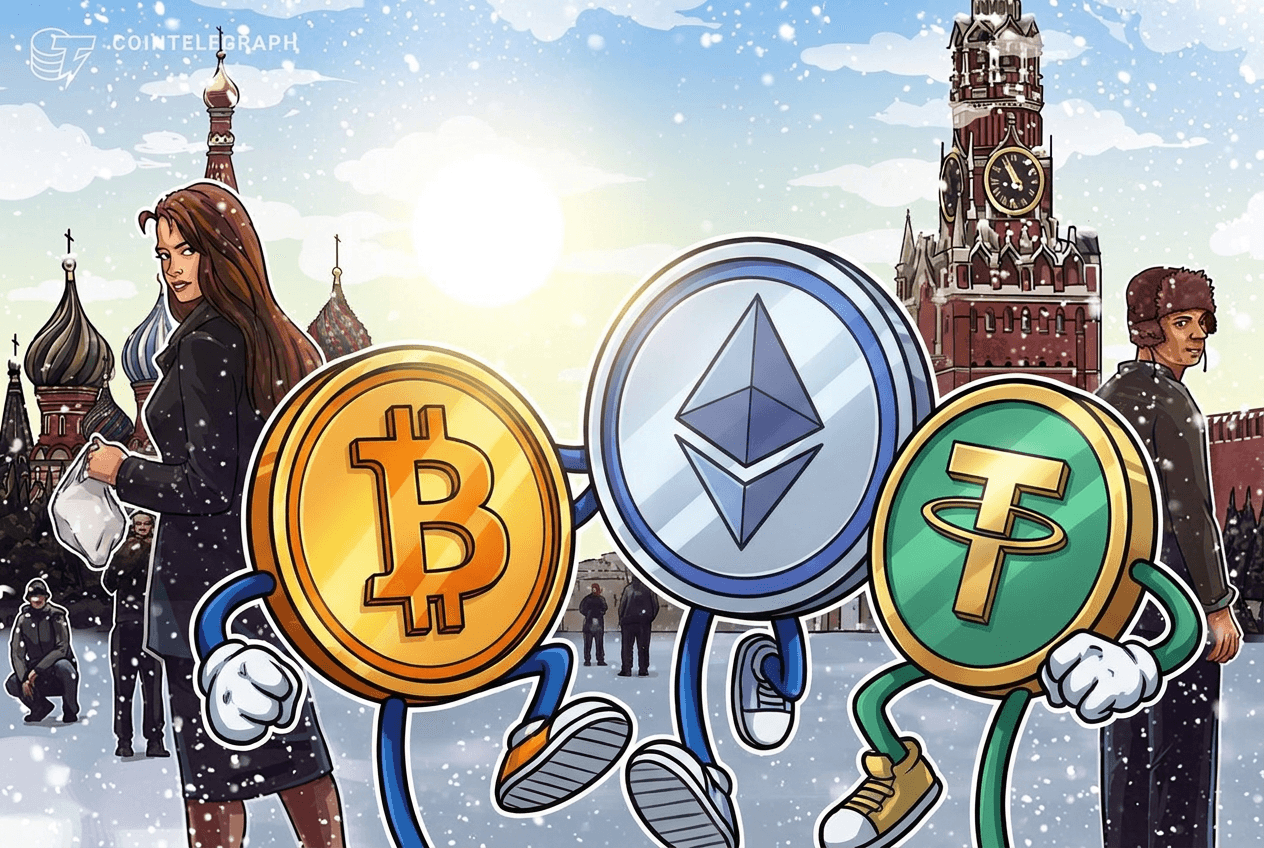
Russia is making a significant move into crypto markets. The Moscow Exchange, the country's primary securities trading platform, plans to launch Bitcoin, Ethereum, and USDT (Tether) trading in December, marking a notable shift in the nation's approach to digital assets.
This development comes as Russia navigates international sanctions and seeks alternative financial infrastructure. The timing is strategic—launching major crypto trading pairs during the final month of the year positions Moscow Exchange to capture year-end volatility and attract traders seeking exposure to the three most liquid crypto assets.
Why These Three Assets?
The selection of Bitcoin, Ethereum, and USDT makes sense from a market liquidity standpoint. BTC remains the institutional gateway drug to crypto, currently trading around $77,433. Ethereum, trading near $2,283, represents the largest smart contract platform and offers exposure to DeFi and tokenized assets. USDT—the most traded stablecoin—provides a crucial on-ramp for fiat-to-crypto trading without exposure to price volatility.
This trinity of assets covers the fundamental use cases: store of value (Bitcoin), programmable infrastructure (Ethereum), and stable settlement layer (USDT). It's the minimal viable product for any serious crypto exchange.
What This Means for Russian Markets
The move reflects Russia's pragmatic reassessment of cryptocurrency's role in its financial system. As Western payment channels tighten, Moscow is recognizing that crypto liquidity—particularly in major assets—offers utility beyond speculation. Having these markets accessible through a domestic, regulated exchange creates infrastructure that Russian institutions and wealthy individuals can actually use.
The Moscow Exchange's entry into crypto trading also signals confidence that Russian regulators are softening their stance on digital assets. For years, Russia's crypto policy was ambiguous at best, hostile at worst. A state-backed exchange offering Bitcoin and Ethereum trading suggests the calculus has shifted.
Market Context
The broader crypto landscape supports this move. Bitcoin's relative stability around $77k, Ethereum's resilience near $2.28k, and stablecoin adoption across emerging markets all indicate sustained demand for these assets regardless of geopolitical headwinds. We're seeing major altcoins hold their ground too—Solana trading around $92.76, Cardano near $0.19, and XRP stabilizing above $1.27—suggesting diverse investor interest across the crypto ecosystem.
Alpha Take
Moscow Exchange's December launch represents more than just another trading venue opening—it's institutional recognition that Bitcoin, Ethereum, and USDT are now infrastructure, not speculation. For traders and portfolio managers, this means increased liquidity in a major emerging market and potential arbitrage opportunities between Moscow-listed prices and global crypto markets. Watch for how quickly volume builds and whether this encourages other regional exchanges to follow. This is the type of market expansion that typically precedes broader institutional adoption in developing economies.
Originally reported by
CoinTelegraph
Not financial advice. Crypto investing involves significant risk. Past performance does not guarantee future results. Always do your own research.