
Samsung's 82M Galaxy Users Get Solana-Powered USDC Transfers—Here's What Changes
Samsung Wallet is shipping Solana integration for USDC transfers starting late October, marking a significant expansion of stablecoin functionality across its massive U. S.
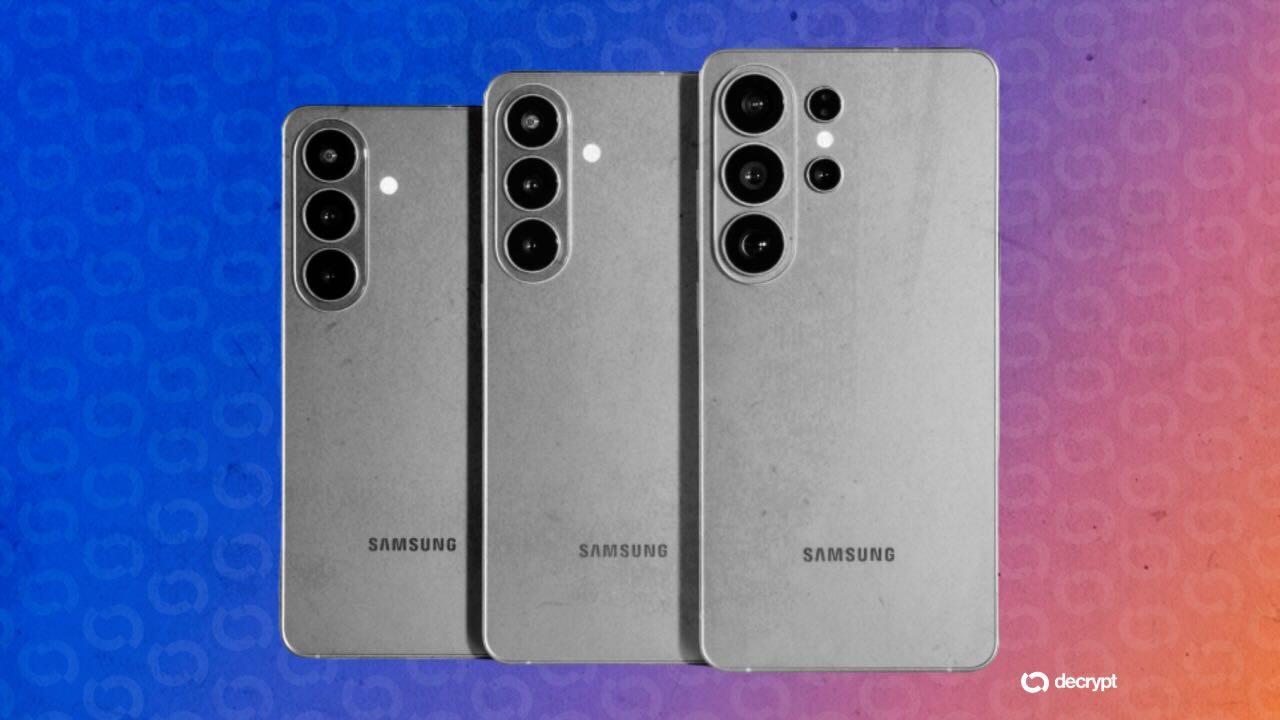
Samsung Wallet is shipping Solana integration for USDC transfers starting late October, marking a significant expansion of stablecoin functionality across its massive U.S. user base. The move comes three months after Samsung first hinted at stablecoin support without publicly disclosing which blockchain would power the feature.
The Samsung-Solana Play
The South Korean tech giant is betting on Solana's speed and cost efficiency to enable seamless cross-border USDC transfers for Galaxy device owners in the United States. With 82 million Galaxy devices active in the U.S. alone, this integration represents one of the largest on-ramps for retail crypto adoption yet—assuming Samsung users actually activate the feature.
The timing matters here. Samsung's silence on the blockchain choice for three months signals deliberate strategy. Rather than crowning a winner early, they tested the waters, likely evaluated network performance, cost structures, and security protocols. Solana won out, presumably because its sub-second finality and minimal transaction costs align with Samsung's goal of frictionless user experience.
Why USDC? Why Now?
Stablecoin transfers hit different than volatile crypto trading. They're settlement rails—useful for remittances, cross-border payments, and anyone hedging fiat volatility. By October, Samsung positions Galaxy Wallet users to send dollars instantly across borders without traditional remittance rails or banking delays. That's the value prop Samsung is selling.
The stablecoin focus also sidesteps regulatory headaches. USDC, backed by Circle and audited reserves, carries less regulatory risk than launching with Bitcoin or Ethereum trading directly. It's the pragmatic play for a mainstream manufacturer protecting its brand.
The Solana Narrative Shift
This partnership validates Solana's comeback narrative after the FTX implosion gutted the ecosystem's credibility. Solana has spent the last year proving network reliability and attracting enterprise partnerships. Samsung's endorsement—on 82 million devices—is heavyweight validation. It signals that institutional and mainstream players see Solana as infrastructure, not speculation.
For Solana's ecosystem, this is distribution gold. Every Galaxy user becomes a potential SOL holder and Solana network participant, even if they only care about USDC transfers initially. Wallets are gateways; once users have one, friction disappears for additional functionality.
Execution Risk
Here's what we're watching: user adoption. A feature shipping on 82 million devices means nothing if it sits dormant. Samsung needs seamless onboarding, clear USDC incentives, and rock-solid network stability. One Solana network hiccup during launch week could torpedo adoption momentum.
The late October timeline also matters—it's Q4, peak holiday season for remittances and cross-border spending. If Samsung executes smoothly, volume data from October-December will tell us whether this is symbolic or actually transformative.
Alpha Take
Samsung's Solana integration legitimizes USDC as payment infrastructure at massive scale—this isn't crypto speculation, it's settlement plumbing. Watch for Q4 transaction volumes to measure real adoption; enterprise partnerships following Samsung's lead would confirm Solana's enterprise credibility. For portfolio allocation, this validates Solana's infrastructure thesis relative to other L1 networks competing for enterprise partnerships.
Originally reported by
Decrypt
Not financial advice. Crypto investing involves significant risk. Past performance does not guarantee future results. Always do your own research.