
Samsung's Stablecoin Play Signals Mainstream Crypto Adoption Accelerating
Stablecoins just crossed a major adoption threshold. Samsung Wallet now supports USDC on Solana for eligible U.
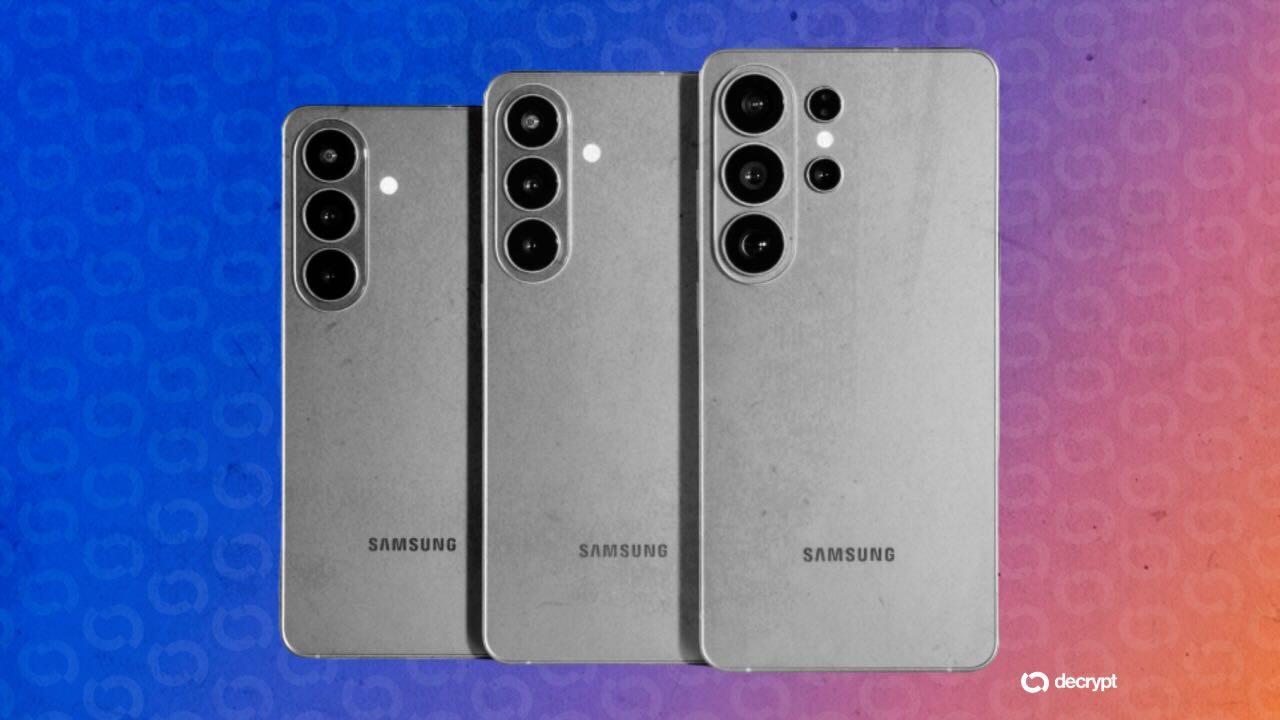
Stablecoins just crossed a major adoption threshold. Samsung Wallet now supports USDC on Solana for eligible U.S. Galaxy users, bringing crypto rails to approximately 82 million compatible devices. This isn't a side experiment—it's a consumer electronics giant betting on digital dollar infrastructure becoming essential to mobile finance.
The Setup: Institutional-Grade Infrastructure Meets Consumer Scale
Samsung didn't build this alone. The rollout leverages Bastion as custodian and Coinbase's integration, creating a trusted architecture that matters when we're talking about consumer funds. The wallet lets eligible users hold, transfer, and access USDC directly through their Samsung device—a frictionless on-ramp that traditional fintech has spent years trying to perfect.
Here's what makes this significant: Samsung's distributing stablecoin access to a device ecosystem spanning 82 million phones. That's not early adopter territory anymore. That's mainstream consumer hardware.
The Economics and Friction Points
Transaction costs tell you where the real incentives lie. Samsung Wallet transfers carry zero fees—the company isn't skimming here. But credit card top-ups carry a 4% fee, which is standard industry friction. Users wanting bank payouts can access services across more than 60 countries, addressing one of crypto's persistent problems: how do you convert digital money back to fiat without getting stuck in exchange queues?
The exclusion of New York users is notable. Regulatory fragmentation remains crypto's unglamorous reality. One state's restriction shouldn't reshape product strategy for a global manufacturer, but it does here.
What's Next: Payment Rails and Geographic Expansion
Samsung's already signaling the next moves. The company plans to explore stablecoin payments—meaning merchants could eventually accept USDC through Samsung Wallet. That's where this gets interesting for traders and portfolio managers watching adoption metrics. Payments are the killer app that separates "crypto curiosity" from "actually-used money."
Geographic expansion is explicitly on the roadmap too. Samsung isn't limiting ambitions to the U.S. market. If they can replicate this infrastructure in Europe, Asia, or emerging markets with higher remittance flows, stablecoin utility cases expand dramatically.
Why This Matters for Market Intelligence
Consumer adoption tends to follow enterprise infrastructure. When a $200B+ market cap company integrates stablecoin rails into consumer hardware, it validates something: stablecoins work as a payment layer, and they're secure enough for mass deployment. The Solana choice over Ethereum mainnet signals priorities around speed and cost—Solana's throughput handles millions of casual transactions better than Ethereum's current congestion.
This is how crypto moves from retail speculation into settlement infrastructure. Not through explosive bull runs, but through quiet integration into devices billions already use.
Alpha Take
Samsung's stablecoin integration on 82 million devices normalizes USDC as a banking alternative, not a trading asset. Watch for payment merchant adoption as the real catalyst—if Samsung can solve POS integration, stablecoin utility metrics accelerate sharply. Portfolio managers tracking mainstream adoption should monitor quarterly user metrics and geographic expansion announcements; these are leading indicators for broader institutional stablecoin demand.
Originally reported by
Decrypt
Not financial advice. Crypto investing involves significant risk. Past performance does not guarantee future results. Always do your own research.