
Samsung Wallet Brings USDC Stablecoin Support to US Galaxy Users This October
Samsung's making a play in the crypto wallet space. The tech giant announced that its Samsung Wallet will integrate USDC transfers starting in October, opening up stablecoin functionality to eligible US Galaxy device owners.
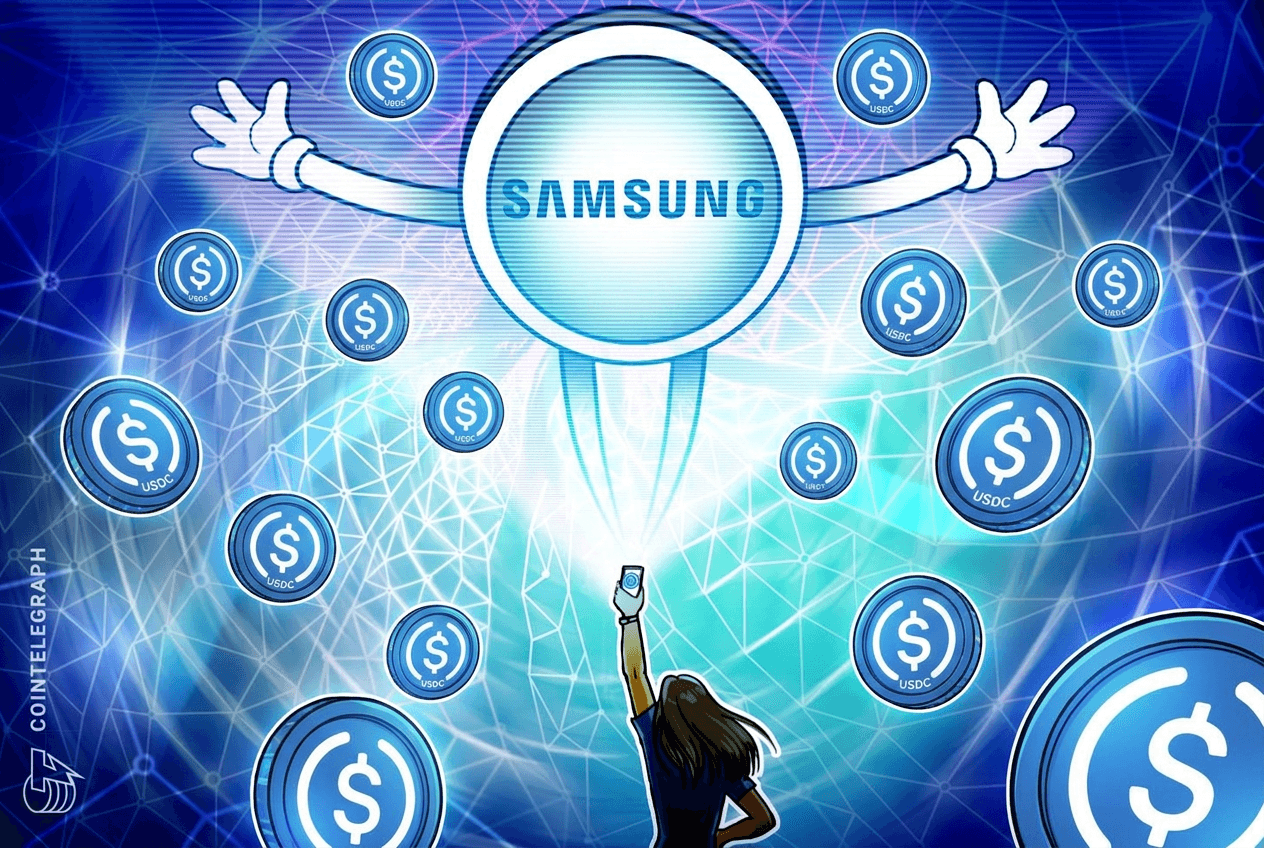
Samsung's making a play in the crypto wallet space. The tech giant announced that its Samsung Wallet will integrate USDC transfers starting in October, opening up stablecoin functionality to eligible US Galaxy device owners.
Here's what's actually happening: Galaxy users will gain the ability to send USDC directly to crypto wallets while simultaneously accessing cross-border fund transfers to bank accounts spanning more than 60 countries. This dual functionality positions Samsung Wallet as more than just a payment tool—it's becoming a bridge between traditional banking and crypto infrastructure.
Why This Matters for the Broader Market
The integration signals institutional confidence in stablecoin adoption. USDC, the second-largest stablecoin by market cap, continues gaining utility through mainstream integrations. When hardware manufacturers like Samsung move beyond theoretical crypto support to actual implementation, it validates stablecoin use cases for regular consumers who aren't crypto native.
The geographic scope here is significant. Support for 60+ countries means Samsung's betting on USDC as a legitimate solution for international remittances and cross-border transactions. That's a major crypto market opportunity—traditional remittance fees eat into value transfers, and stablecoins cut through that friction. Traders should note this as institutional adoption of crypto infrastructure accelerating beyond exchanges and into consumer devices.
What Galaxy Users Get
The rollout targets Samsung Galaxy device users in the US first, but the 60-country bank account transfer capability indicates Samsung's eyeing global expansion. This is the kind of infrastructure play that compounds over time. Once integrated into millions of devices, it becomes the default settlement layer for international transfers.
We're particularly watching this because wallet integration on consumer devices removes friction from crypto adoption. It's no longer about downloading a third-party app or managing private keys—it's native, built-in functionality. That's adoption at scale.
The Competitive Positioning
Samsung isn't alone in pursuing wallet infrastructure. Apple has been cautious about native crypto support, creating an opening for Samsung to capture the Android-dominant user base. With more than 1 billion Galaxy devices active globally, even modest adoption rates translate to significant crypto transaction volume flowing through their ecosystem.
The stablecoin choice matters too. By selecting USDC over competitors like USDT, Samsung is aligning with the more transparent, regulated stablecoin option. Circle's USDC maintains full reserve backing and faces less regulatory scrutiny than Tether's USDT. That's a calculated signal about Samsung's risk appetite and regulatory positioning.
The October Timeline
October's launch window suggests Samsung already has the backend infrastructure ready. This isn't vaporware—it's a concrete product release. Crypto traders should mark this as a potential catalyst for USDC volume increases and could signal broader Samsung initiatives in blockchain infrastructure we haven't heard about yet.
Alpha Take
Samsung Wallet's USDC integration represents real-world adoption infrastructure hitting critical mass. When Fortune 500 manufacturers embed stablecoin functionality into consumer devices, it's no longer niche—it's infrastructure. Watch for similar announcements from other device manufacturers; this becomes the new baseline for wallet functionality. The 60-country remittance capability is the real win here, solving actual financial friction that crypto was built to address.
Originally reported by
CoinTelegraph
Not financial advice. Crypto investing involves significant risk. Past performance does not guarantee future results. Always do your own research.