
SEC Signals Shift Away From Broad Crypto Regulation—Enforcement Plummets 22%
The SEC is making a deliberate pivot in how it polices crypto markets. Under the current administration's watch, enforcement actions have dropped 22%, signaling a fundamental reset in the agency's approach to digital assets.
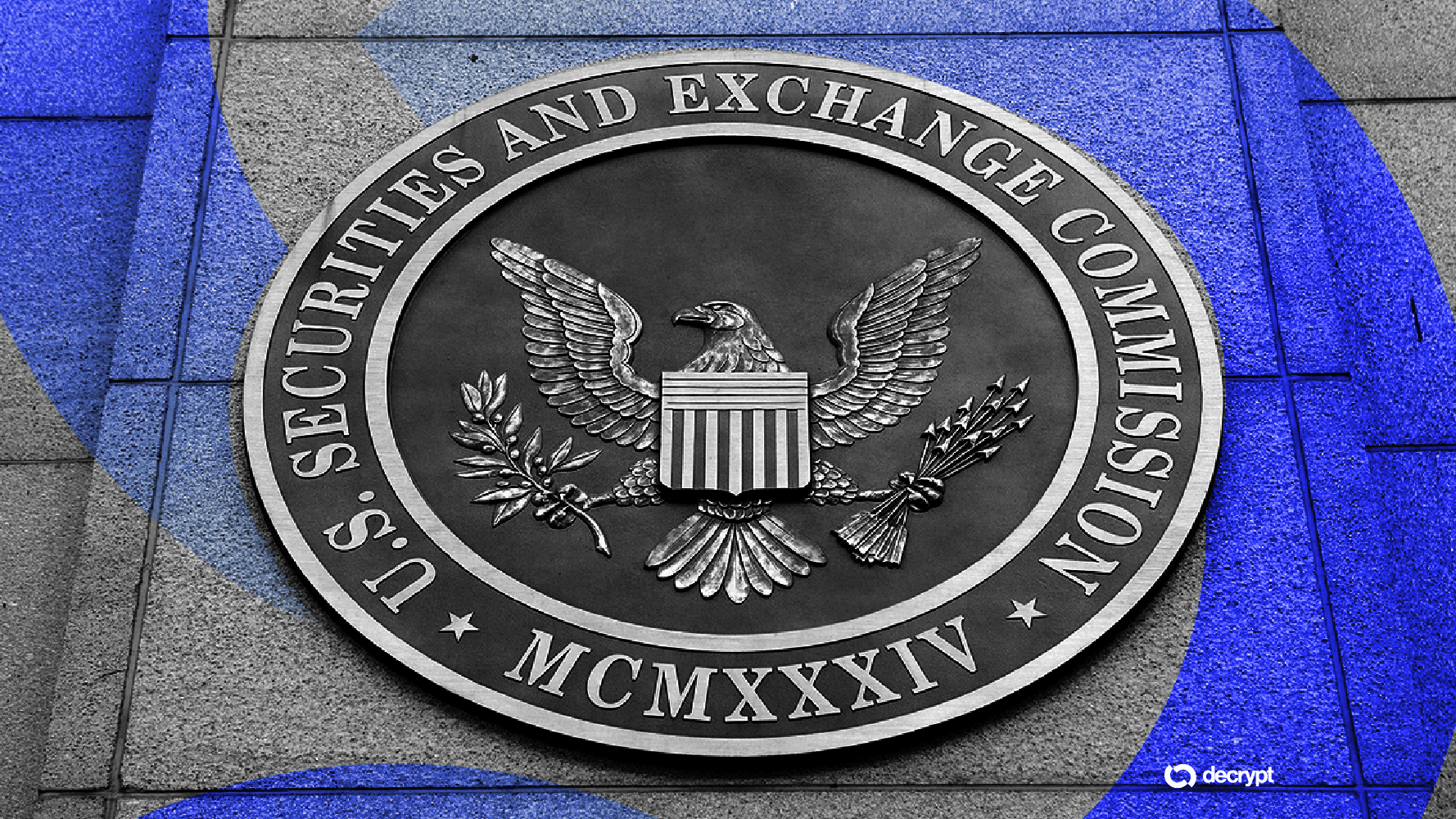
The SEC is making a deliberate pivot in how it polices crypto markets. Under the current administration's watch, enforcement actions have dropped 22%, signaling a fundamental reset in the agency's approach to digital assets.
The key message from SEC leadership: previous enforcement strategies created what they're now calling "misguided expectations" about how crypto would be regulated. Translation—the old playbook, with its sprawling interpretations of securities law applied to tokens, exchanges, and staking programs, is being retired.
The Numbers Tell the Story
The 22% year-over-year decline in enforcement actions isn't accidental. We're watching a deliberate recalibration. Penalties have fallen alongside enforcement filings, painting a picture of an agency that's narrowing its focus considerably.
This shift matters for crypto traders and investors building portfolios. For years, the SEC cast an expansive net—targeting not just outright fraud but also what regulators deemed improperly registered securities offerings. Projects, exchanges, and platforms operated under constant regulatory uncertainty. That created risk premiums across bitcoin, ethereum, and altcoin markets alike.
Fraud-Only Framework Emerging
The new direction: focus on clear-cut fraud cases. This leaves substantial gray area in the broader crypto ecosystem where the SEC simply won't intervene. Staking rewards, decentralized finance mechanisms, and token issuances that don't explicitly mislead investors are increasingly likely to fall outside enforcement scope.
For market participants, this is a significant change. The SEC's prior aggressive stance had created a chilling effect on innovation and legitimate crypto businesses. Platforms had to navigate regulatory minefield, leading to conservative product decisions that constrained the entire sector's growth.
What This Means for Crypto Markets
The enforcement pullback could reshape crypto trading dynamics. If regulatory risk diminishes, we might see:
- •Reduced risk premiums on tokens and platforms that faced SEC scrutiny
- •Clearer operating guidelines for exchanges and DeFi protocols
- •Greater capital flow into projects previously scared away by enforcement uncertainty
Bitcoin and ethereum—the market's most established assets—have weathered regulatory storms. But mid-cap and emerging crypto projects facing potential securities law entanglement stand to benefit most from this enforcement recalibration.
The Caveat
Here's what matters: this doesn't mean the SEC is abandoning crypto oversight. Fraud remains in scope. Bad actors running outright scams will still face action. But the days of aggressive, expansive interpretations applied to entire categories of legitimate crypto products appear to be waning.
The phrase "misguided expectations" is doing heavy lifting here. The SEC is essentially telling the market: "Stop expecting us to regulate every aspect of crypto through securities law. We're narrowing scope." That's a material shift for anyone running crypto analysis on regulatory risk.
Alpha Take
The 22% enforcement drop signals the SEC is retreating from its "regulate everything" stance toward focused fraud prosecution. For crypto portfolio managers, this means diminishing regulatory risk premiums on legitimate platforms and projects—potentially reshuffling alpha opportunities across the sector. Watch for increased capital deployment into previously penalized crypto segments as uncertainty clears. This pivot could be the market's inflection point on regulatory overhang.
Originally reported by
Decrypt
Not financial advice. Crypto investing involves significant risk. Past performance does not guarantee future results. Always do your own research.