
Senate Pressure Mounts: Binance, Tether, and Trump-Linked Crypto Firms Face Critical Records Submission Deadline
Regulatory scrutiny is tightening around some of crypto's biggest players. The U.
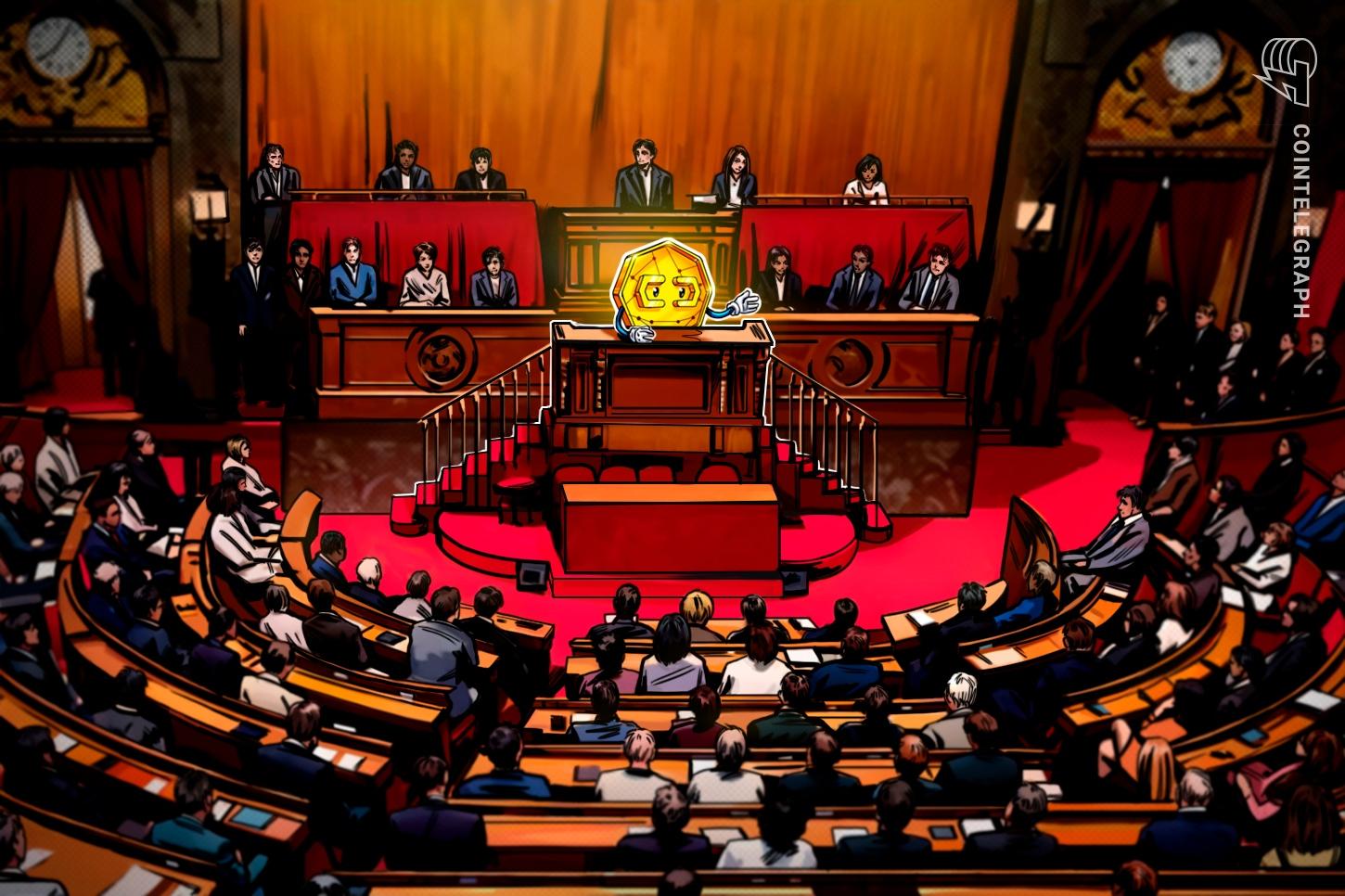
Regulatory scrutiny is tightening around some of crypto's biggest players. The U.S. Senate has issued a records deadline to Binance, Tether, and several cryptocurrency firms with Trump administration connections—a move that signals intensifying government focus on the sector's operational transparency and compliance practices.
We're watching this closely because it reflects a broader pattern: regulators are moving beyond theoretical oversight into concrete enforcement mechanisms. When major exchanges and stablecoin issuers face document demands, it typically precedes either settlement negotiations or formal investigations.
What's Actually at Stake
Binance, the world's largest crypto exchange by trading volume, sits at the center of this scrutiny. The company has already faced significant regulatory headwinds globally—from fines in multiple jurisdictions to operational restrictions. Now the Senate is demanding records that will likely detail everything from user verification practices to transaction monitoring systems.
Tether represents another critical pressure point. As the issuer of USDT—the most widely used stablecoin in crypto trading—its reserve backing and operational procedures are under constant microscope. Any revelation about insufficient reserves or questionable practices could destabilize the entire ecosystem, given USDT's $130 billion+ market presence.
The inclusion of Trump-connected firms suggests Senate investigators are also examining potential conflicts of interest or preferential treatment within the crypto sector. This diversifies the investigation beyond just compliance and into political entanglement narratives.
Market Intelligence: What We're Seeing
The current price action tells us traders aren't panicking—yet. Bitcoin trades around $74,288, down 2.09%, while Ethereum sits at $2,110.16, down 5.63%. These are normal market corrections, not capitulation. However, the broader market is showing weakness across altcoins: Solana down 2.80%, XRP down 5.88%, and ADA down 2.17%.
This measured response suggests the market is already pricing in regulatory risk. Institutional investors have grown accustomed to government investigations as table stakes for crypto legitimacy.
The Deadline's Real Importance
Missing records deadlines creates legal liability. We've seen this movie before—regulators use document demands to establish non-compliance, which strengthens their enforcement position. The firms' compliance with these requests will matter more than the contents themselves for determining whether this escalates to formal actions.
For portfolio managers, this is a timing consideration more than a binary risk. Established exchanges with strong compliance infrastructure (read: Binance's competitors) may see relative strength if regulatory pressure becomes acute. Stablecoin diversification also becomes strategically relevant—holding alternatives to USDT reduces concentration risk.
Alpha Take
This Senate action represents regulatory momentum, not a death knell for crypto. However, the market's muted response masks real compliance risk for centralized platforms. Traders should monitor deadline compliance closely and consider whether their exchange and stablecoin exposures align with emerging regulatory expectations. The firms that cooperate transparently typically emerge stronger; those that resist face escalating enforcement.
Originally reported by
CoinTelegraph
Not financial advice. Crypto investing involves significant risk. Past performance does not guarantee future results. Always do your own research.