
South Korea Grants Exchanges Emergency Powers to Freeze Withdrawals During Security Incidents
South Korea's financial regulator is moving to protect crypto traders and platforms alike by permitting exchanges to temporarily halt cryptocurrency withdrawals when facing active hacking threats or security breaches. The regulatory shift represents a significant policy change for the nation's cry
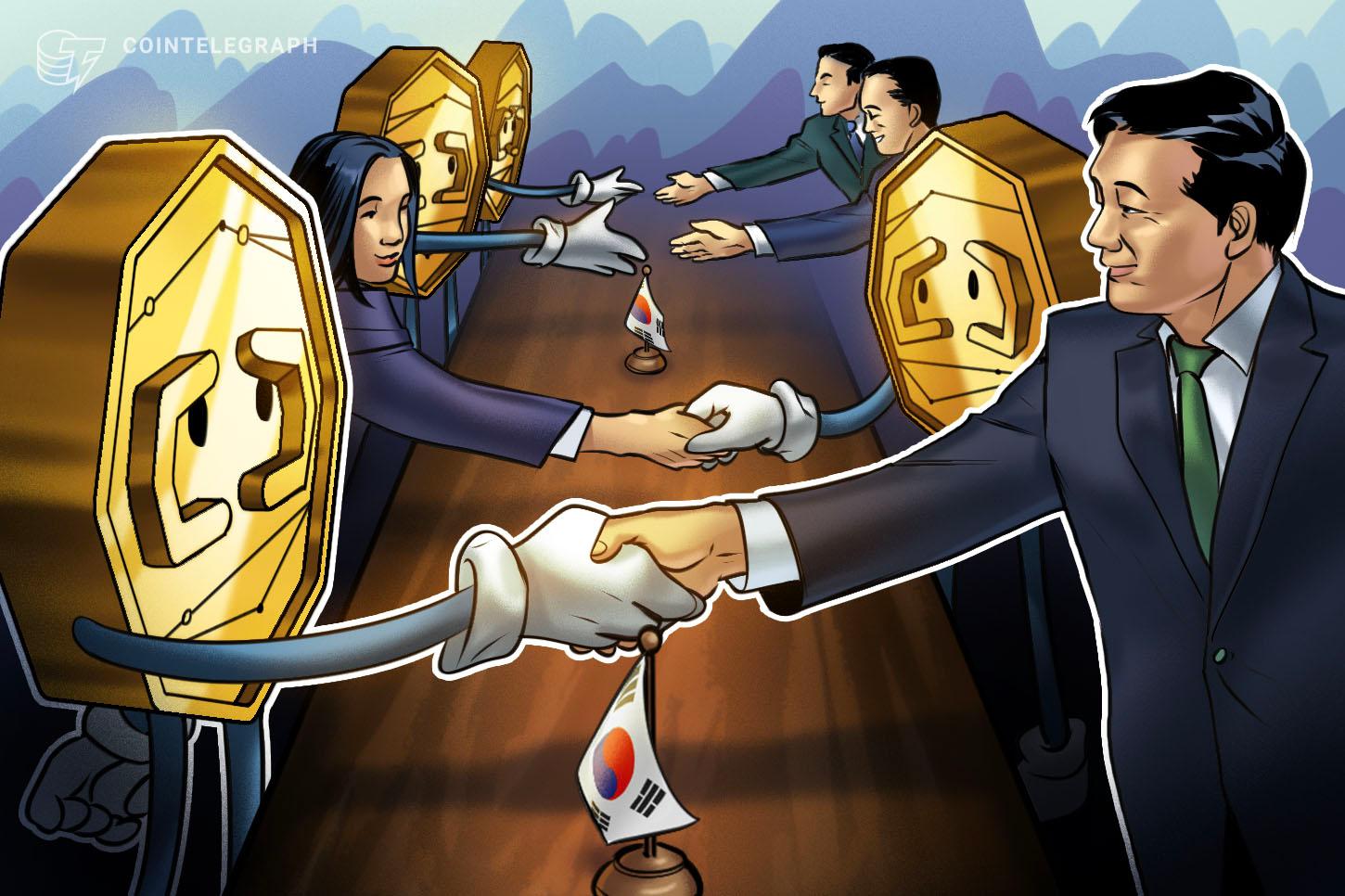
South Korea's financial regulator is moving to protect crypto traders and platforms alike by permitting exchanges to temporarily halt cryptocurrency withdrawals when facing active hacking threats or security breaches.
The regulatory shift represents a significant policy change for the nation's crypto market. The Financial Services Commission (FSC) and Financial Supervisory Service (FSS) have signaled approval for emergency withdrawal freezes as a legitimate defensive measure—essentially giving platforms legal cover to act fast when their systems come under attack.
Why This Matters for Crypto Security
Here's the practical reality: when a hacking incident is detected, every second counts. Under the new framework, South Korean exchanges can immediately suspend withdrawal functionality to contain damage and prevent hackers from moving stolen funds out of the platform. Previously, this gray area left exchanges vulnerable to both regulatory backlash and massive losses.
The policy acknowledges a hard truth in crypto trading: a few minutes of frozen withdrawals beats total platform compromise every time. It's damage control legalization.
How It Works
The regulatory approval applies specifically to situations where exchanges can demonstrate an active security threat. This isn't a blanket license to freeze withdrawals at will—platforms must document the incident and show reasonable cause. The FSC and FSS will oversee implementation to prevent abuse.
South Korean exchanges must notify users promptly when activating emergency freezes and provide estimated timelines for restoration. Transparency requirements ensure that traders aren't left guessing about their access to funds.
The Bigger Picture
This move reflects South Korea's maturing approach to crypto regulation. Rather than imposing blanket restrictions, regulators are creating frameworks that acknowledge the industry's specific technical challenges. South Korea remains one of the world's largest crypto trading hubs, with significant Bitcoin, Ethereum, and altcoin volume flowing through local exchanges daily.
The decision also signals confidence in the sector's maturation. By creating formal protocols for security incidents, regulators demonstrate they expect exchanges to be part of the financial infrastructure—not just fringe operations.
Previous hacking incidents across Asian exchanges have cost billions in stolen crypto. In one notorious 2018 incident, a major South Korean exchange lost approximately $534 million in digital assets. Emergency withdrawal freezes during such events could have significantly limited the damage.
Market Implications
For traders managing portfolios through South Korean platforms, this creates both protection and minor friction. Your crypto holdings remain safer during active threats, but you lose immediate withdrawal access during emergencies. This tradeoff generally favors security-conscious investors.
For exchange operators, the regulatory clarity reduces legal uncertainty. They can now implement security protocols without fear of regulatory punishment—provided they follow the FSC/FSS guidelines.
The decision also affects Bitcoin, Ethereum, and major altcoin markets. South Korean trading volume influences global price discovery, especially during volatile periods. Exchanges with stronger security protocols may attract more institutional capital.
Alpha Take
South Korea is creating practical rules for crypto incidents rather than fighting the technology itself. Emergency withdrawal freezes are reasonable security measures—and formal permission prevents both chaotic responses and regulatory arbitrage. Traders using South Korean platforms now have added protection during security incidents, though temporary withdrawal restrictions remain the tradeoff. Watch for other major markets to adopt similar frameworks as institutional adoption grows.
Originally reported by
CoinTelegraph
Not financial advice. Crypto investing involves significant risk. Past performance does not guarantee future results. Always do your own research.