
Tech Giants Rally Against OKX-ICE Tokenized Stock Exchange, Objections Now Hit 26
Intel, Oracle, IBM, and IonQ just threw down their cards against OKX's tokenized stock venture with ICE. These four companies became the latest to formally object to having their shares traded on the planned OKX-ICE tokenized stock venue—pushing total objections to 26.
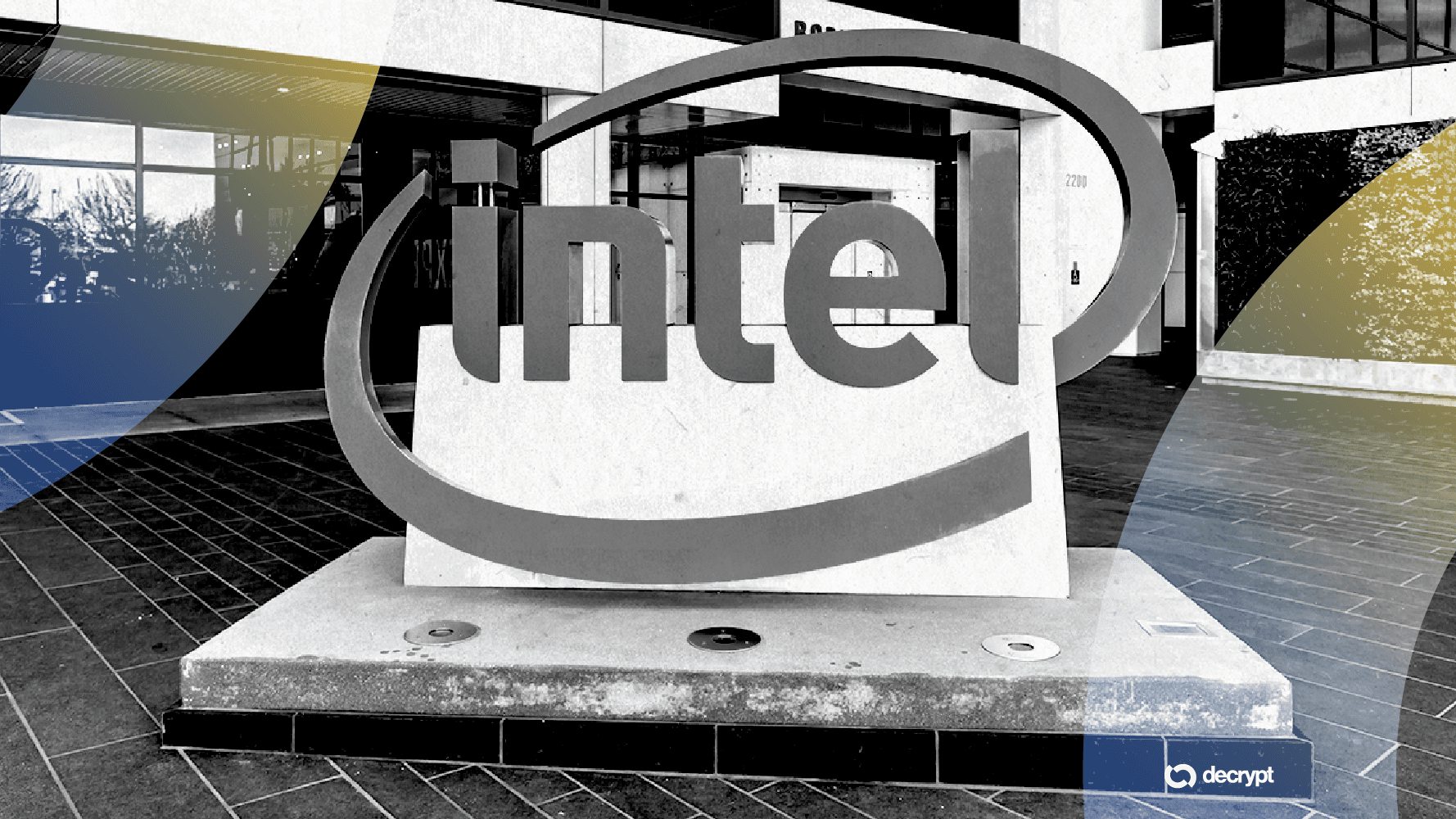
Intel, Oracle, IBM, and IonQ just threw down their cards against OKX's tokenized stock venture with ICE. These four companies became the latest to formally object to having their shares traded on the planned OKX-ICE tokenized stock venue—pushing total objections to 26.
This isn't some minor regulatory footnote. We're watching a significant battle unfold in the crypto and fintech space as traditional corporate powerhouses push back hard against a major crypto exchange entering the tokenized equities market.
The Objection Wave Grows
The addition of Intel, Oracle, IBM, and IonQ signals something important: major institutional players aren't staying silent. The crypto market has always attracted retail traders seeking portfolio diversification and alternative trading channels. But when Fortune 500 companies start formally objecting to tokenized versions of their own stock being traded on crypto platforms, it reveals deep concerns about how their securities are being handled.
These objections matter because they're not abstract complaints—they're formal regulatory filings that carry weight in the approval process. Each company filing an objection is essentially saying: we don't want our equity exposure happening on this platform, through these methods, without our consent or involvement.
What This Means for OKX and Tokenized Assets
OKX, one of the world's largest crypto exchanges by trading volume, has been aggressive in expanding beyond pure crypto trading into traditional assets. A tokenized stock venue would let investors trade fractional shares and access traditional equities through blockchain infrastructure—theoretically offering 24/7 trading, lower fees, and faster settlement than traditional markets.
But that vision crashes into a harsh reality: if the companies whose stock you want to trade don't want it tokenized on your platform, your business model has a serious problem.
The 26 objections represent institutional weight the crypto market can't simply ignore or bypass. We're not talking about retail traders or small-cap companies—Intel, Oracle, and IBM are among the world's most influential technology corporations. Their opposition signals broader corporate skepticism about tokenized equity trading in its current form.
The Bigger Picture for Crypto Market Intelligence
This clash sits at the intersection of crypto innovation and traditional finance gatekeeping. From a trading and portfolio perspective, tokenized stocks represent genuine utility—lower barriers to entry, better liquidity mechanisms, and access during extended hours. But that innovation only works if companies voluntarily participate or if regulators force their participation.
Right now, we're seeing neither. Instead, we're watching corporations actively resist. That's a data point traders and portfolio managers should track closely.
Alpha Take
The growing objection count signals serious structural problems for OKX-ICE's tokenized stock model. Traditional institutions don't want their shares on crypto venues without control over execution. Tokenized asset trading will likely require either regulatory force, voluntary corporate participation incentives, or a pivot toward securities that aren't actively opposed by their issuers. Watch this space—how it resolves will shape the entire crypto market's credibility with institutional capital.
Originally reported by
Decrypt
Not financial advice. Crypto investing involves significant risk. Past performance does not guarantee future results. Always do your own research.